Summer Humidity and Basement Mold in Poughkeepsie Homes
Stop Summer Humidity From Taking Over Your Basement
A cool basement can feel like the best spot in the house on a hot Hudson Valley day. But when the air turns thick and sticky outside, that same basement can suddenly smell musty, feel damp, and start to look a little tired around the edges. Many Poughkeepsie homeowners notice it right as summer humidity kicks in.
High humidity is more than just uncomfortable. In basements, it can feed mold, damage finishes, and make the air in the whole home feel stale. Here, we will talk about how summer humidity feeds basement mold growth, the early warning signs to watch for, smart ways to keep moisture in check, and what really happens during professional basement mold removal.
Mold is not just a cosmetic issue. It can stain surfaces, damage building materials, bother allergies or asthma, and even drag down home value if it spreads. Catching the problem early and dealing with the moisture behind it is the best way to keep your basement usable and safe.
Why Summer Humidity Supercharges Basement Mold
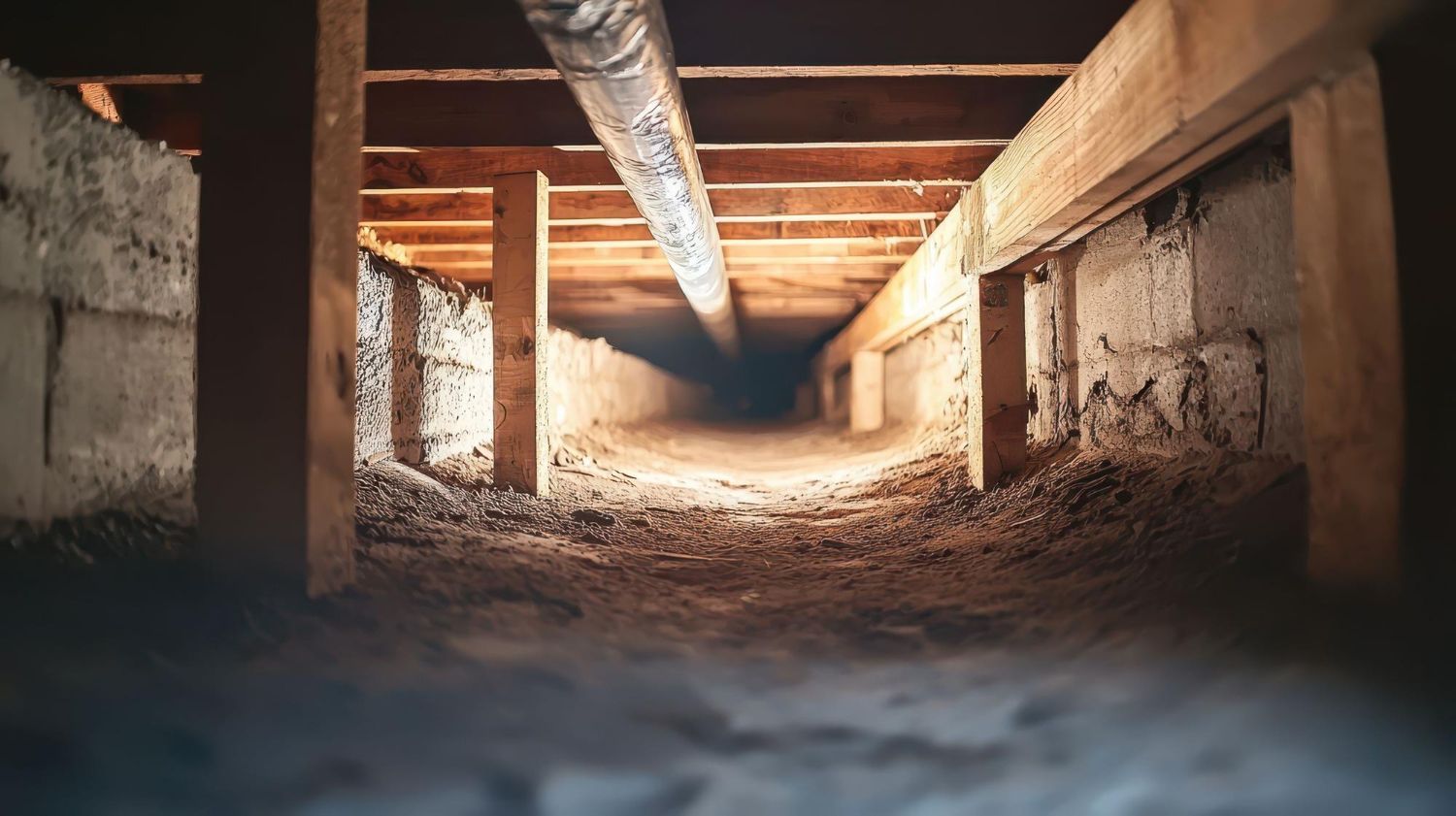
Warm summer air can hold a lot of moisture. When that air sneaks into a cooler basement, the temperature drops and the moisture has to go somewhere. It often ends up as tiny beads of water on:
- Concrete walls and floors
- Foundation blocks and stone
- Pipes and ductwork
That thin layer of condensation might not look like much, but it is great fuel for mold. Mold only needs a few things to grow:
- Moisture from condensation, leaks, or damp soil
- Organic material like wood, drywall, cardboard, or dust
- Still air and low light, which most basements already have
Homes in and around Poughkeepsie face an extra challenge. The Hudson Valley tends to have sticky summer air and regular heavy rains. Moisture can build up around foundations, then creep inside.
Many local homes also have:
- Older stone or block foundations
- Small cracks in walls or floors
- Poor grading so water runs toward the house instead of away
All of this makes basements in our area more likely to stay damp, even if there is no clear standing water. That slow, steady moisture is what helps mold settle in and spread.
Warning Signs Your Basement Mold Problem Is Growing
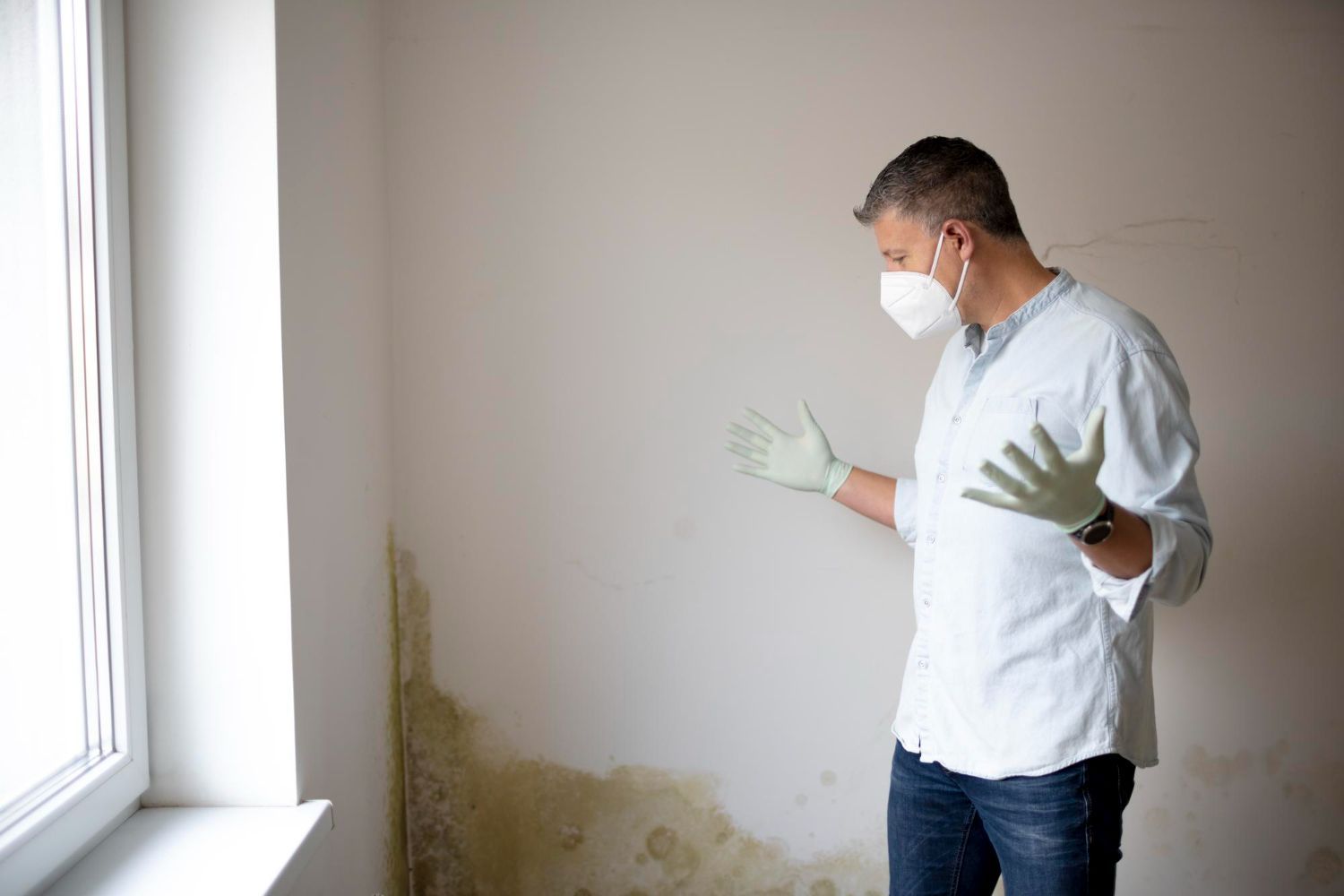
Mold does not always start as a big dark patch on the wall. Often, the first signs are small and easy to ignore. Paying attention to what you see, smell, and feel in your basement can help you stay ahead of bigger trouble.
Common early clues include:
- A musty, earthy odor that does not go away
- Air that feels damp or clammy even when it has not rained
- Small spots, streaks, or fuzzy patches on walls, joists, or stored items
Health can be another warning sign. Some people notice:
- Allergy or asthma symptoms that get worse at home
- Headaches or sinus pressure that ease up when they leave the house
- Itchy or watery eyes after spending time in the basement
You might also spot changes in the structure or finishes, like:
- Peeling or bubbling paint on block or drywall
- Warped baseboards or trim near the basement floor
- Rust on metal shelves, tools, or support posts
- Water stains that keep returning after storms
Even a small patch of mold can point to a larger hidden problem behind walls, under flooring, or inside insulation. When you see these signs, a professional inspection is often the safest way to understand how far the issue has spread.
Smart Summer Strategies to Prevent Basement Mold
Keeping moisture under control is the heart of basement mold prevention. Summer is a good time to give your home a quick moisture check and make a few simple changes.
Inside the basement, focus on humidity and airflow:
- Aim to keep indoor relative humidity between about 30 and 50 percent
- Use a dehumidifier that is sized for your basement and run it regularly
- Move air with fans and avoid dead corners where air feels stale
- Keep storage a few inches away from exterior walls and off the floor
Cardboard boxes love to soak up moisture and can turn into mold food. Try switching to plastic bins with lids, especially along foundation walls.
Outside the home, try to limit the amount of water that ever reaches your basement:
- Clean gutters so rain can move away from the roof
- Make sure downspouts send water well away from the foundation
- Check grading so the ground slopes away, not toward the house
- Keep an eye out for cracks in foundation walls and around windows
Some common summer habits can quietly make basement humidity worse:
- Drying laundry on lines or racks downstairs
- Leaving basement windows open on very humid days
- Running the AC upstairs while ignoring a sticky, damp basement
If the air outside feels thick, opening windows can actually invite more moisture in. Many homes do better keeping windows closed and running a dehumidifier instead.
What Professional Basement Mold Removal Really Involves
It can be tempting to wipe visible mold with a cleaner and hope the problem is gone. The trouble is, mold often grows into the pores of the materials or hides behind finishes. Surface cleaning may make things look better for a while but leave the real colony in place.
Professional basement mold removal goes much deeper. At Regional Mold, we follow a careful process to help protect both your home and your indoor air. While every home is different, a typical project often includes:
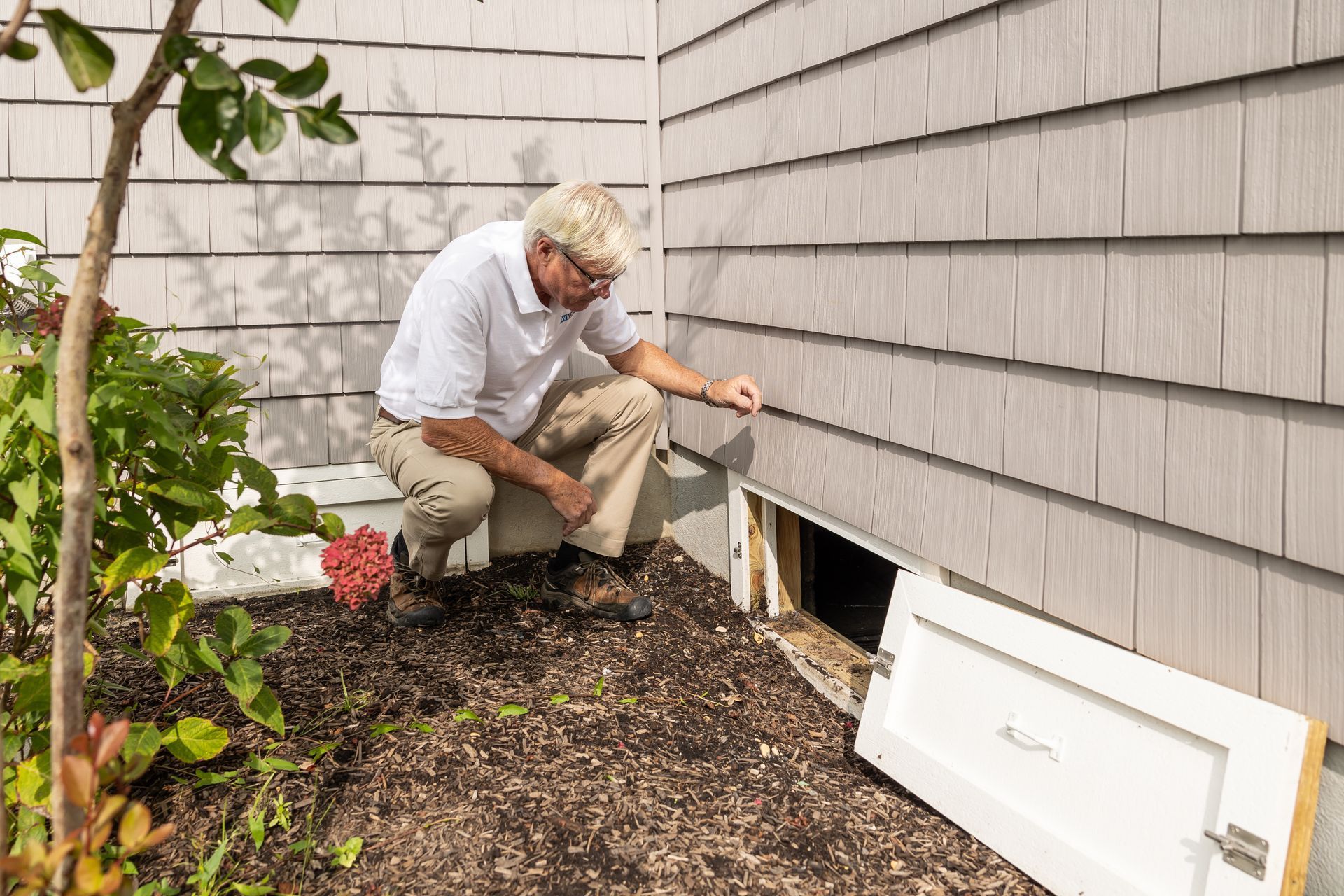
- A detailed inspection and moisture assessment to find where mold is growing and why
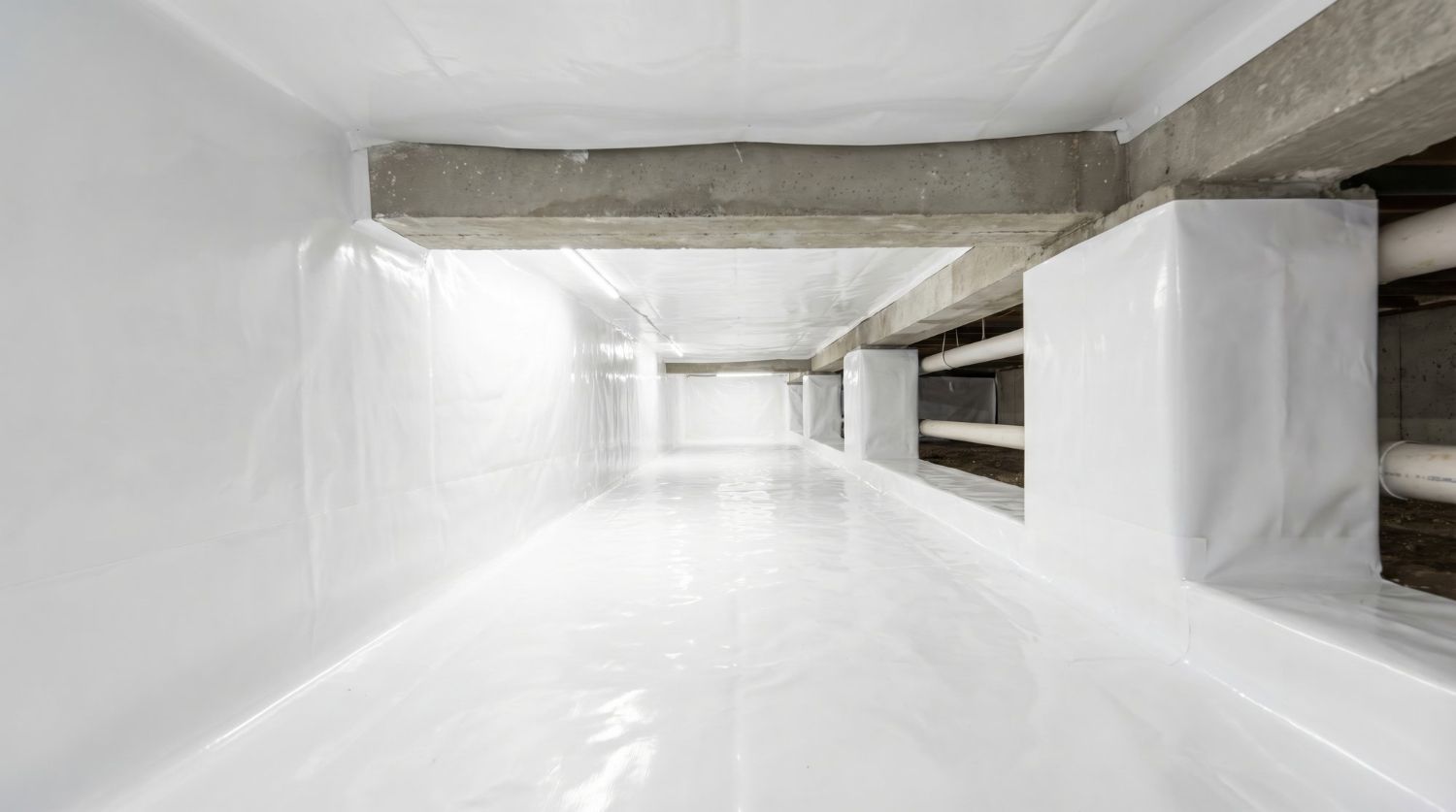
- Containment of the work area so spores do not spread to the rest of the house
- HEPA air filtration to capture mold spores from the air
- Safe removal and disposal of materials that are too damaged to clean
- Thorough cleaning and sanitizing of remaining surfaces
Just removing visible mold is not enough. It is just as important to address the source of the moisture. That might mean fixing a leak, adjusting drainage, or improving humidity control. If the moisture comes back, the mold usually does too.
Professional work also includes safety steps that are hard to match with do-it-yourself efforts, like protective gear and methods that line up with industry standards. Careful documentation of the problem and the repairs can also be helpful for insurance or if you plan to sell the home later on.
Call in Local Experts Before Summer Mold Spreads
As soon as warm, humid weather starts, it is worth taking ten minutes to walk through your basement with fresh eyes. Ask yourself:
- Does the air smell musty or feel damp?
- Do you see any new spots, streaks, or stains on walls or ceilings?
- Are there signs of old or recent water damage?
If you notice visible mold larger than a small patch, a musty odor that keeps coming back, or moisture issues you cannot easily explain, it is a good time to bring in help from a trained team. Past water damage, flooding, or long-term humidity problems are also strong reasons to get a professional opinion.
Working with someone who understands Poughkeepsie and the wider Hudson Valley climate can make a big difference. Local conditions, common foundation types, and typical drainage challenges in this area all play a part in how basement mold starts and spreads. A team that sees these patterns every day can spot trouble faster and suggest fixes that fit our local environment.
Regional Mold focuses on helping homeowners and businesses in Poughkeepsie and surrounding Hudson Valley communities deal with mold, water damage, and related moisture problems. With the right inspection, removal process, and moisture control steps, your basement can stay cool, dry, and usable even when summer humidity is at its worst.
Protect Your Basement And Health With Expert Mold Removal Today
If you are seeing signs of mold in your basement, now is the right time to act before the problem spreads and affects the rest of your home. At Regional Mold, we provide thorough
basement mold removal that targets the source and helps prevent it from coming back. Our team will inspect your space, explain what we find, and walk you through clear next steps. Ready to schedule an appointment or ask a question about your situation? Just
contact us and we will respond promptly.