Inside Commercial Mold Remediation for Hudson Valley Offices
Protecting Productivity with Professional Mold Cleanup
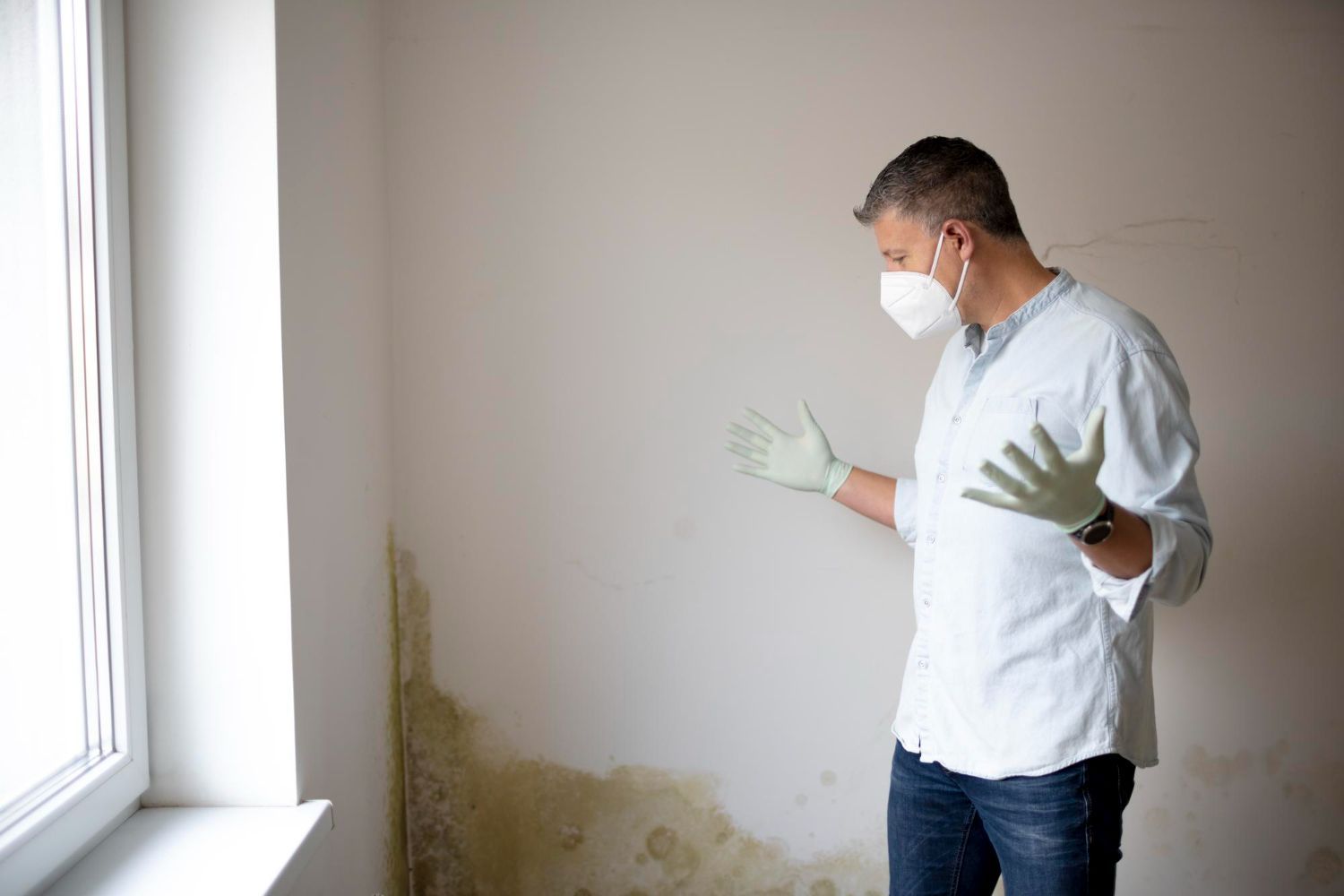
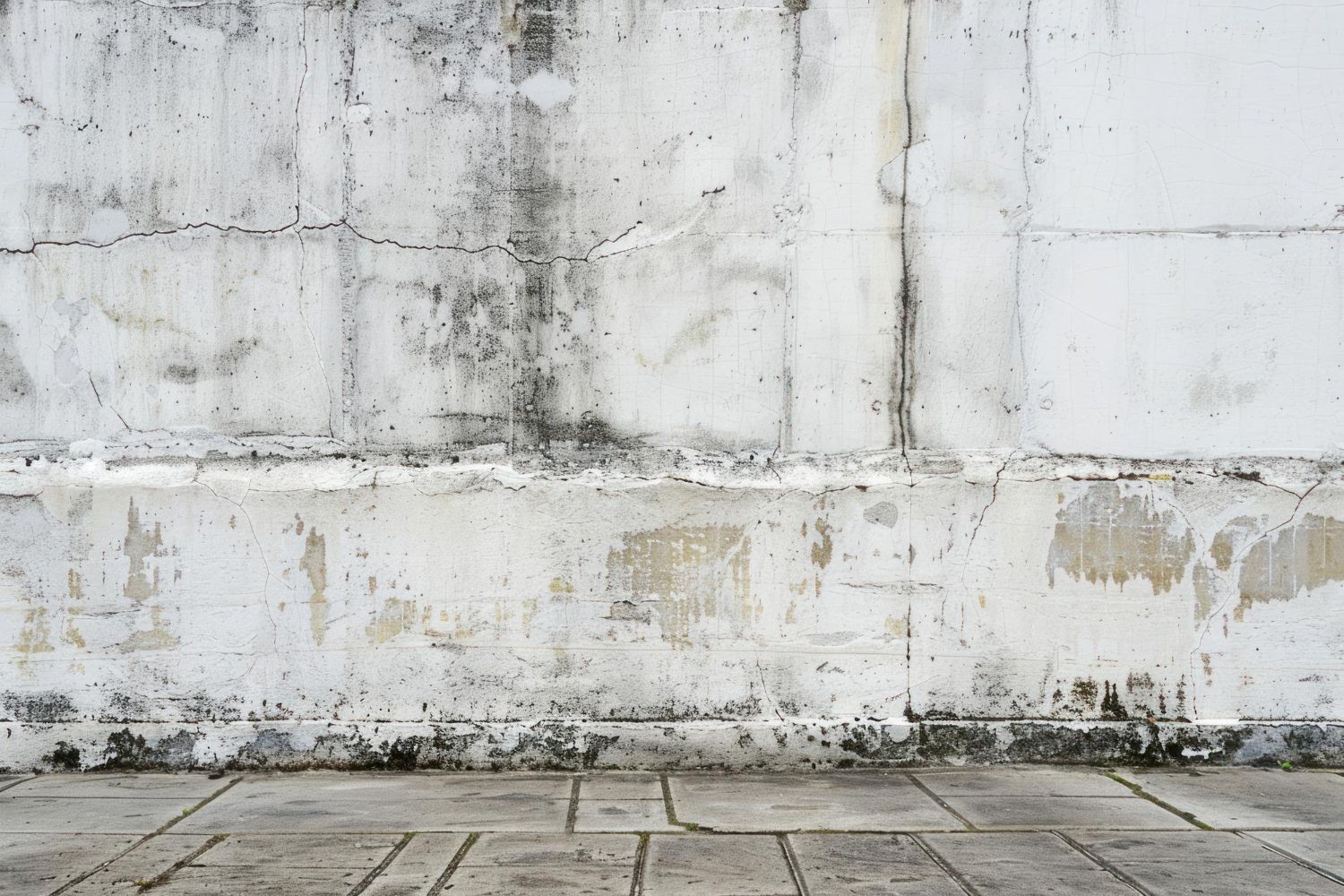
Mold in an office does not always start with a big leak or a dramatic ceiling collapse. Many times, it starts with small signs, like a musty odor in a conference room, people complaining about headaches in one area of the building, or a few dark spots on tiles above workstations. By the time these clues show up, mold may already be spreading behind the scenes and affecting the air everyone breathes.
For office owners and property managers in the Hudson Valley, this is more than a comfort issue. Hidden mold can hurt indoor air quality, slow down productivity, and damage a building’s reputation with tenants and staff. Our area’s four-season climate, humid summers, and many older office properties all create more chances for moisture to linger and mold to grow.
Commercial mold remediation is not just a deeper cleaning or a quick wipe with bleach. It is a detailed, controlled process designed to protect people, equipment, and the structure itself. When it is done right, it helps keep your building safe to work in and supports business operations long term.
How Mold Quietly Spreads in Hudson Valley Offices
Office buildings have many places where moisture can sneak in and stay hidden. Common sources include:
- Aging roofs that drip into ceiling cavities
- Condensation from HVAC lines and units
- Leaking windows around frames and sills
- Plumbing issues in restrooms, break rooms, and utility closets
- Previous water damage that was never fully dried
Modern, energy-efficient buildings often keep outdoor air out, which is good for heating and cooling costs. The downside is that trapped humidity has fewer ways to escape. Moist, stale air can sit behind walls, under carpets, and above ceiling tiles. Mold only needs moisture and a food source, such as drywall, wood, or dust, to begin spreading.
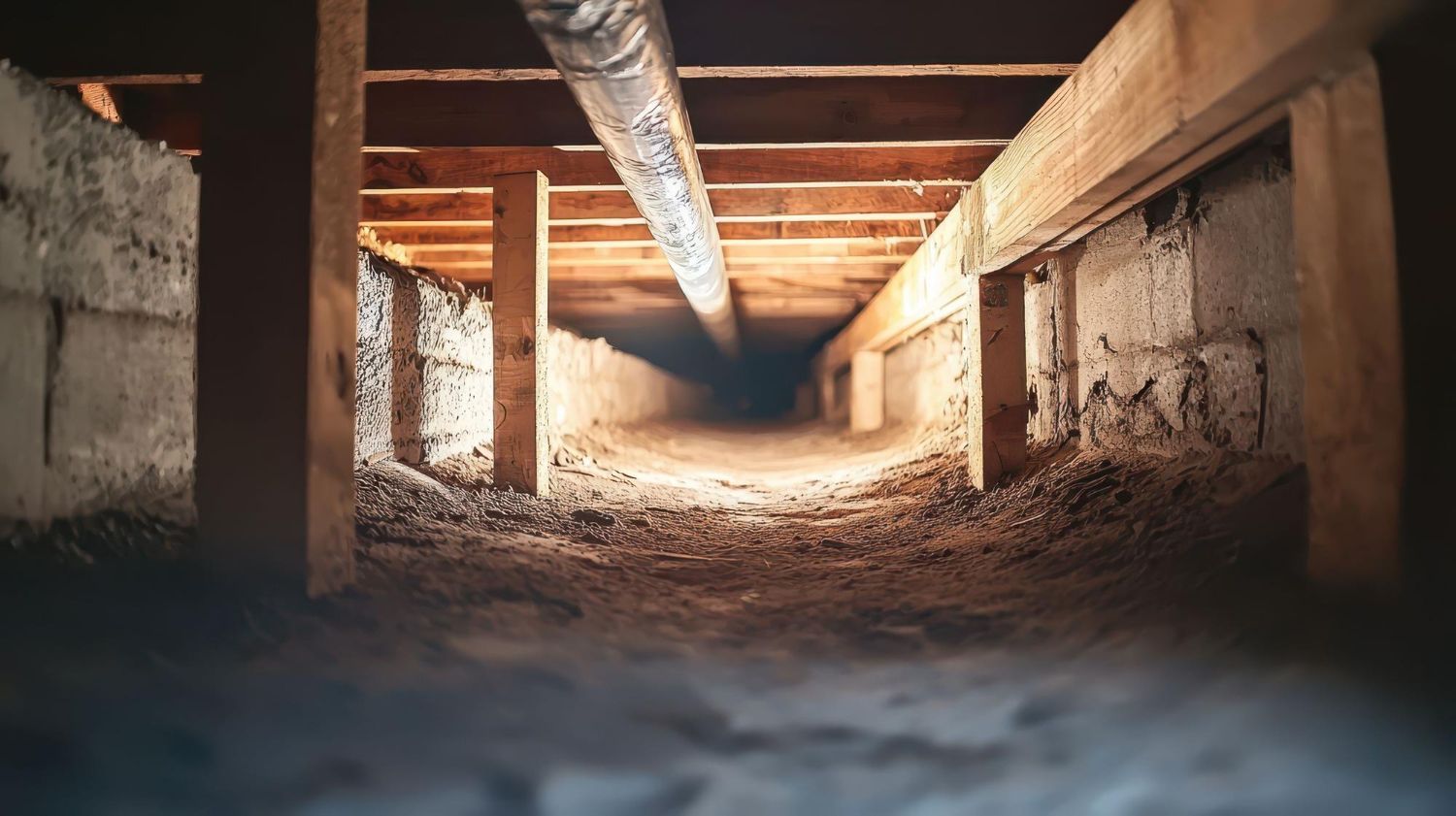
Seasonal swings in the Hudson Valley can make this worse. Late summer heat and humidity can push moisture into any weak point in the building envelope. Heavy rain from storms can lead to roof and window leaks. Then, as snow melts in late winter and early spring, small seepage in basements or lower levels may go unnoticed. Months later, when the weather turns hot again, that hidden moisture can feed mold growth that finally shows up as stains or odors in August.
Why Commercial Mold Remediation Is Not a DIY Job
Cleaning up mold in a commercial space is very different from scrubbing a bathroom at home. Traditional cleaning often only removes what you see on the surface. Commercial mold remediation focuses on removing airborne spores, damaged materials, and the moisture problems that started it all.
Professional teams use methods that general cleaning staff typically do not have access to, including:
- Containment barriers to isolate affected areas
- HEPA filtration to capture tiny mold spores
- Negative air pressure to keep spores from spreading to clean spaces
- Proper bagging and disposal of contaminated materials
Office buildings add more risk because many people share the same air and surfaces every day. Some occupants may be more sensitive to mold or already dealing with health issues. Complex HVAC systems can carry spores to other floors or suites if the problem is not handled carefully. If complaints are ignored or if mold keeps coming back, it can also create liability concerns for owners and managers.
A professional company will follow industry standards that support safe work conditions and help meet general expectations from OSHA, leases, and insurance providers. This kind of structure gives property managers confidence that they are handling complaints in a responsible, documented way.
Step-by-Step Walkthrough of a Professional Mold Project
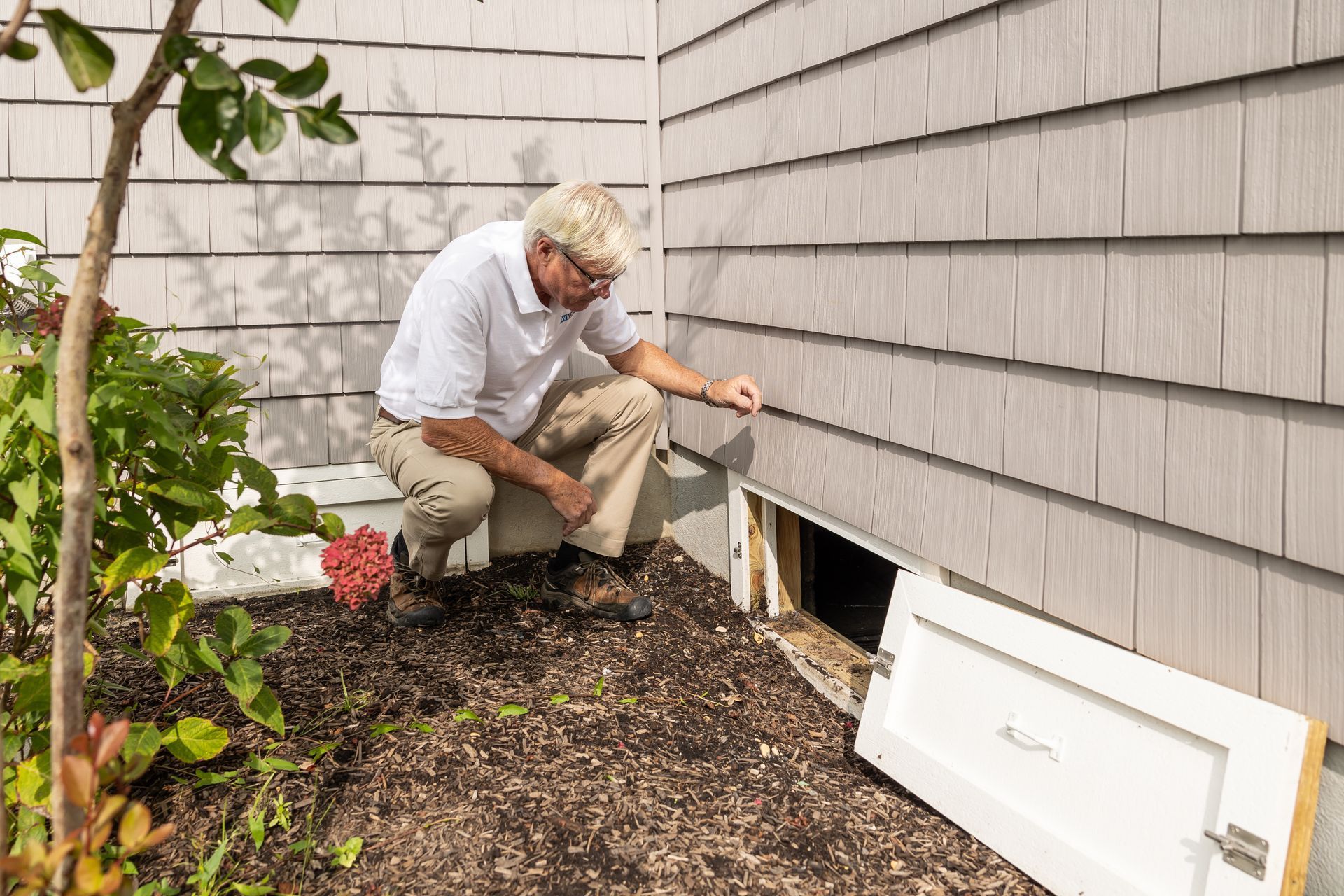
Every commercial mold job starts with a clear look at what is going on. A typical inspection and assessment may include:
- Visual inspection of walls, ceilings, floors, and mechanical rooms
- Moisture readings in building materials
- Thermal imaging to spot hidden damp areas
- Recommendations for third-party air or surface sampling in sensitive or disputed cases
Once the scope is understood, the remediation work begins. For many office projects, the process looks like this:
- Set up containment zones with plastic sheeting and zipper doors
- Install negative air machines with HEPA filters to capture airborne spores
- Remove damaged porous materials, such as soaked drywall or carpet
- Clean remaining structural surfaces using antimicrobial methods
- HEPA vacuum all surfaces in the affected area, including overlooked corners and vents
After removal and cleaning, the space must be dry so mold does not return. This stage often includes targeted drying and dehumidification in walls, floors, or ceiling spaces. Before the area is turned back over to tenants or staff, a post-remediation check takes place. This may include a detailed visual inspection and, in some cases, third-party clearance testing.
Property managers should also receive documentation of what was done, where it was done, and why. Good documentation makes it easier to work with tenants, maintenance teams, and insurance adjusters. It also supports long-term prevention planning.
Minimizing Downtime During Office Mold Cleanup
One of the biggest worries for any building owner is lost work time. A well-planned commercial mold remediation project focuses on safety and speed without causing chaos. There are several ways to keep people working while cleanup is underway:
- Schedule the loudest or most disruptive work after-hours or on weekends
- Phase the project by floor, wing, or suite instead of shutting down the whole building at once
- Prioritize high-traffic areas, such as entrances, open offices, and conference rooms
Clear communication is just as important as the technical work. Property and facility managers can:
- Share simple, honest updates about what is happening and why
- Provide timelines so tenants know what to expect
- Use clear signage around containment zones so people understand that safety steps are in place
When a project is handled with care, the benefits last long after the barriers come down. Better air quality can lead to fewer complaints about odors or discomfort. Staff may experience less distraction and fewer sick days linked to building issues. Tenants and employees also gain more trust that their building is being looked after properly.
Preventing Mold After Summer Storms and Humid Spells
Hudson Valley summers often bring heavy downpours and sticky air. For office and retail properties, this is the time when small weaknesses in the building can quickly turn into mold-friendly moisture problems.
To lower the risk, property managers can focus on a few key prevention steps:
- Keep HVAC systems serviced so they control humidity and drain correctly
- Inspect roof drains, gutters, and scuppers so water can move away from the building
- Check seals around windows and doors, especially after strong wind-driven rain
- Treat any indoor water intrusion as urgent and have it dried within 1 to 2 days when possible
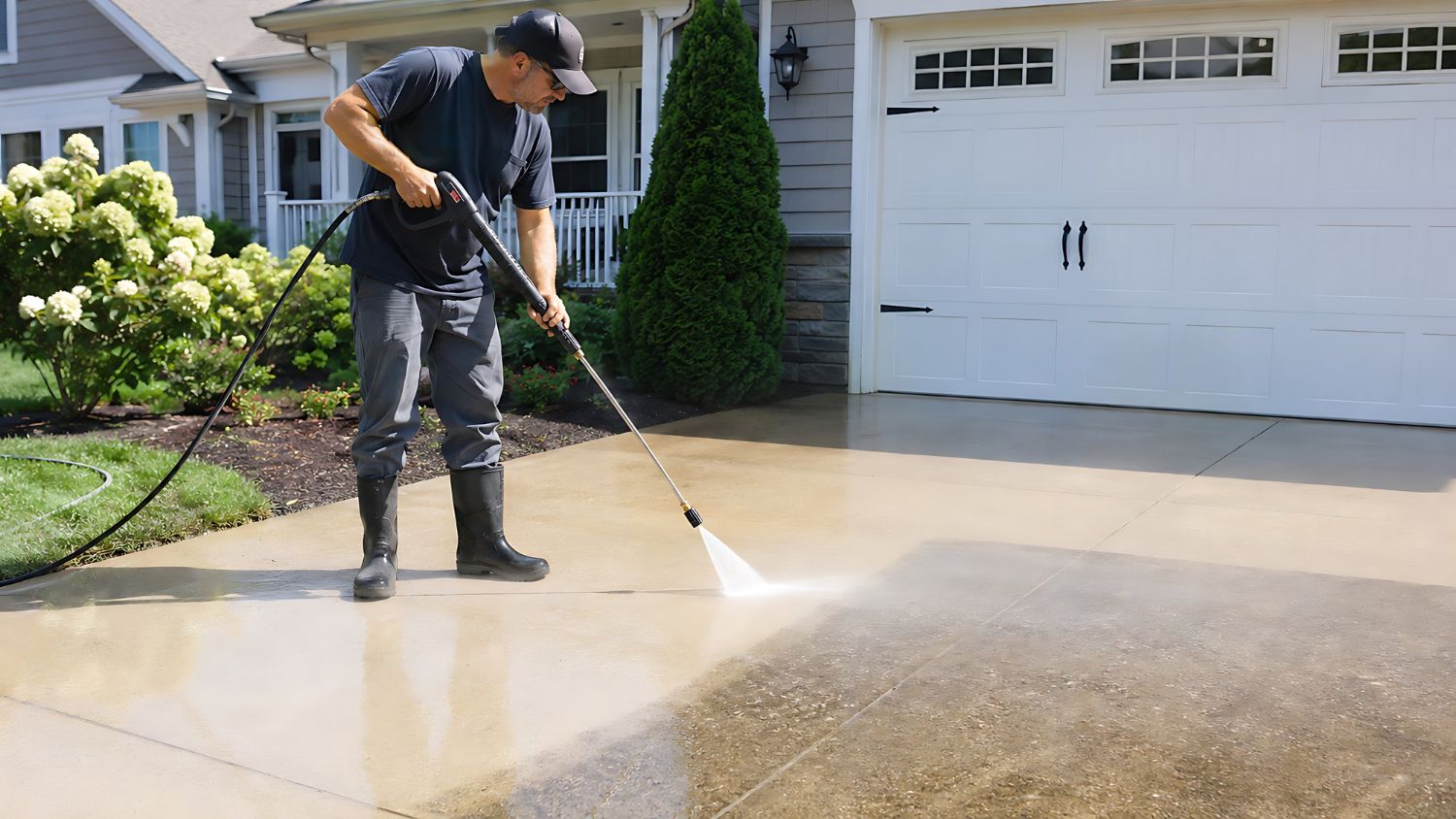
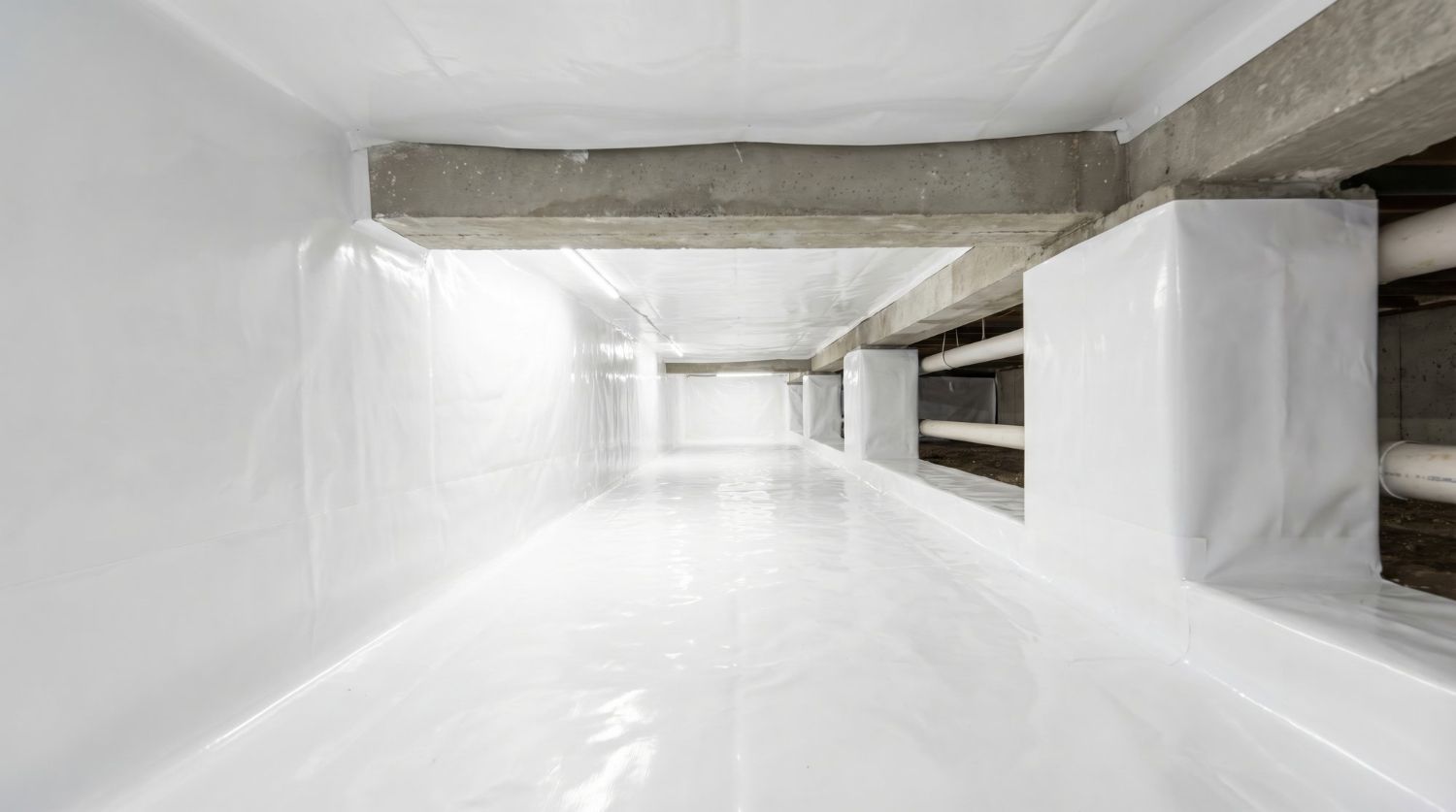
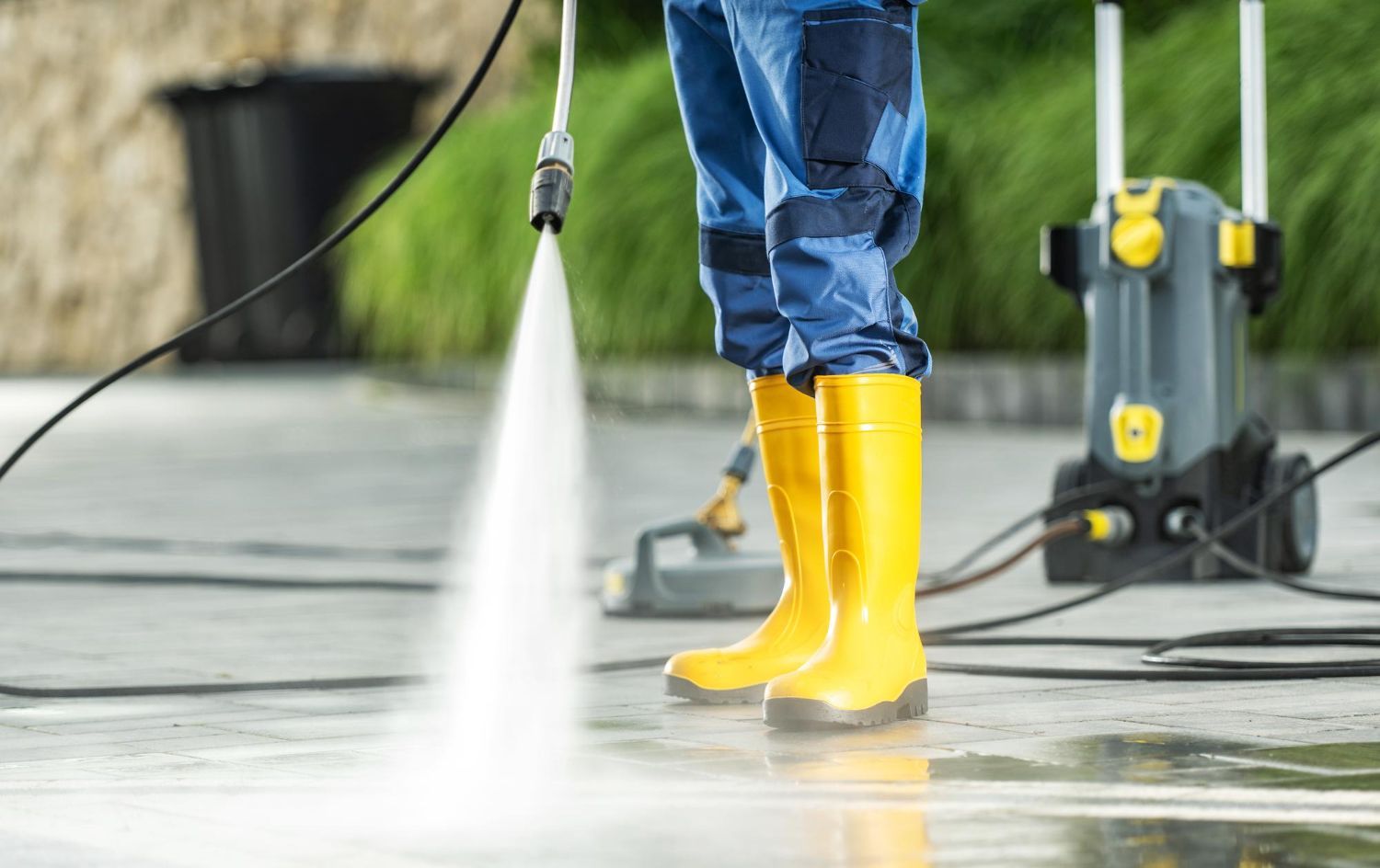
Working with a restoration company on a proactive basis can make a big difference. Seasonal inspections help catch new moisture issues early. Professional drying after a leak or storm event can stop mold before it starts. Exterior power washing can remove organic buildup that holds moisture against siding, walkways, or other surfaces. Moisture control advice for basements and lower levels can also protect critical building systems and storage areas.
Take Control of Your Building’s Air Quality Today
For commercial properties in areas like Poughkeepsie, Westchester, and Orange County, mold is not just a maintenance nuisance. It touches employee health, tenant satisfaction, the life of your building materials, and even the marketability of your space. When mold is handled quickly and professionally, it helps avoid bigger structural issues, reduces potential liability, and supports a healthier place to work.
Regional Mold focuses on helping owners and managers get a clear picture of what is happening in their buildings and what it will take to fix it and keep it from returning. With the right commercial mold remediation plan, you can protect the people in your care, keep your operations running, and feel confident about the air inside your property.
Protect Your Commercial Property From Mold Risks Today
If you are seeing signs of mold in your building, Regional Mold is ready to help you protect your tenants, employees, and investment. Our
commercial mold remediation services are designed to safely remove contamination and address the source so it does not come back. Reach out to our team with details about your property, and we will provide a clear, step-by-step plan tailored to your situation. Have questions or need to schedule an inspection quickly? Just
contact us and we will respond promptly.