Prevent Mold After Crawl Space Waterproofing: Ventilation and Maintenance
Stop Mold Before It Starts, After Crawl Space Work
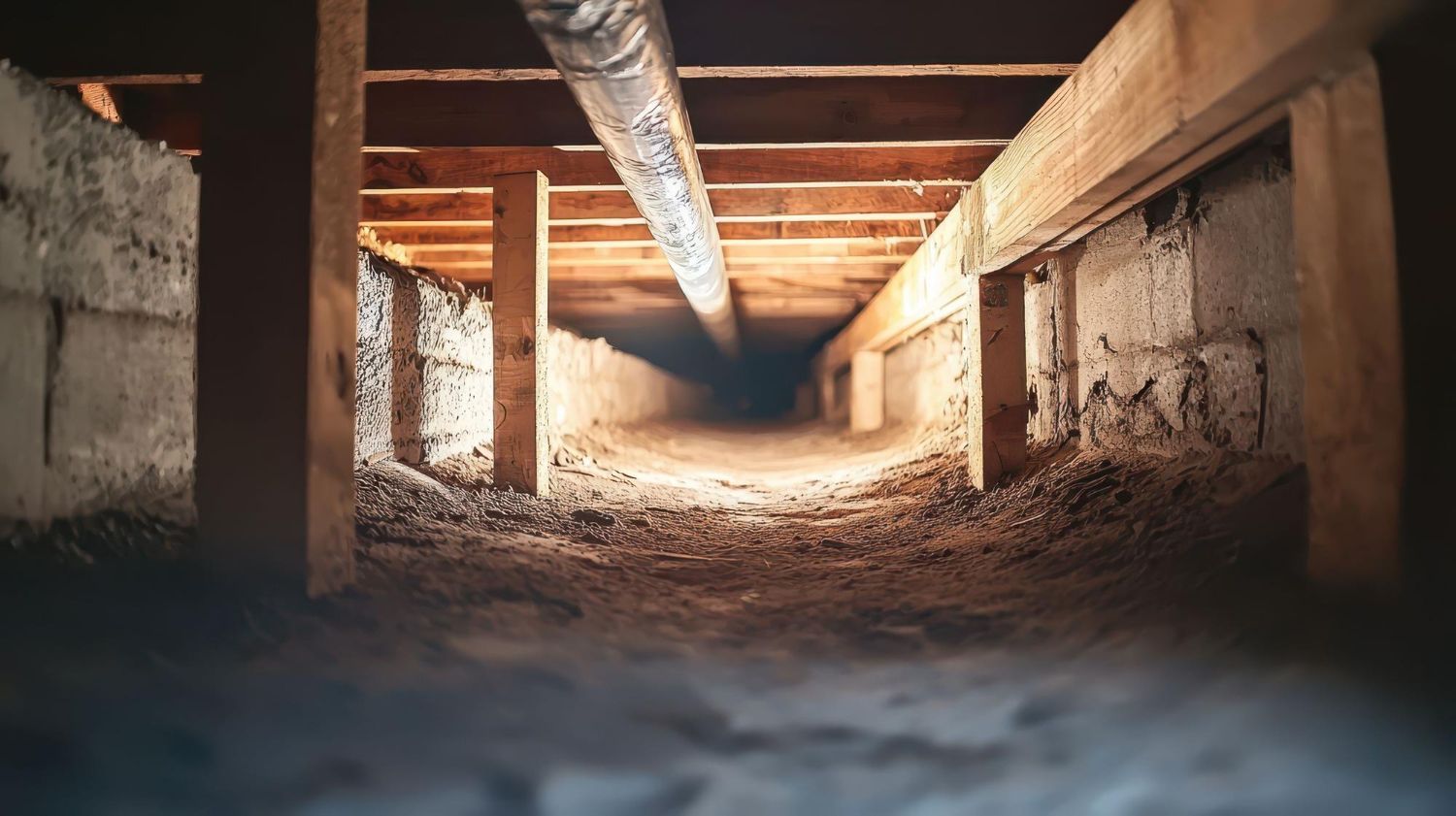
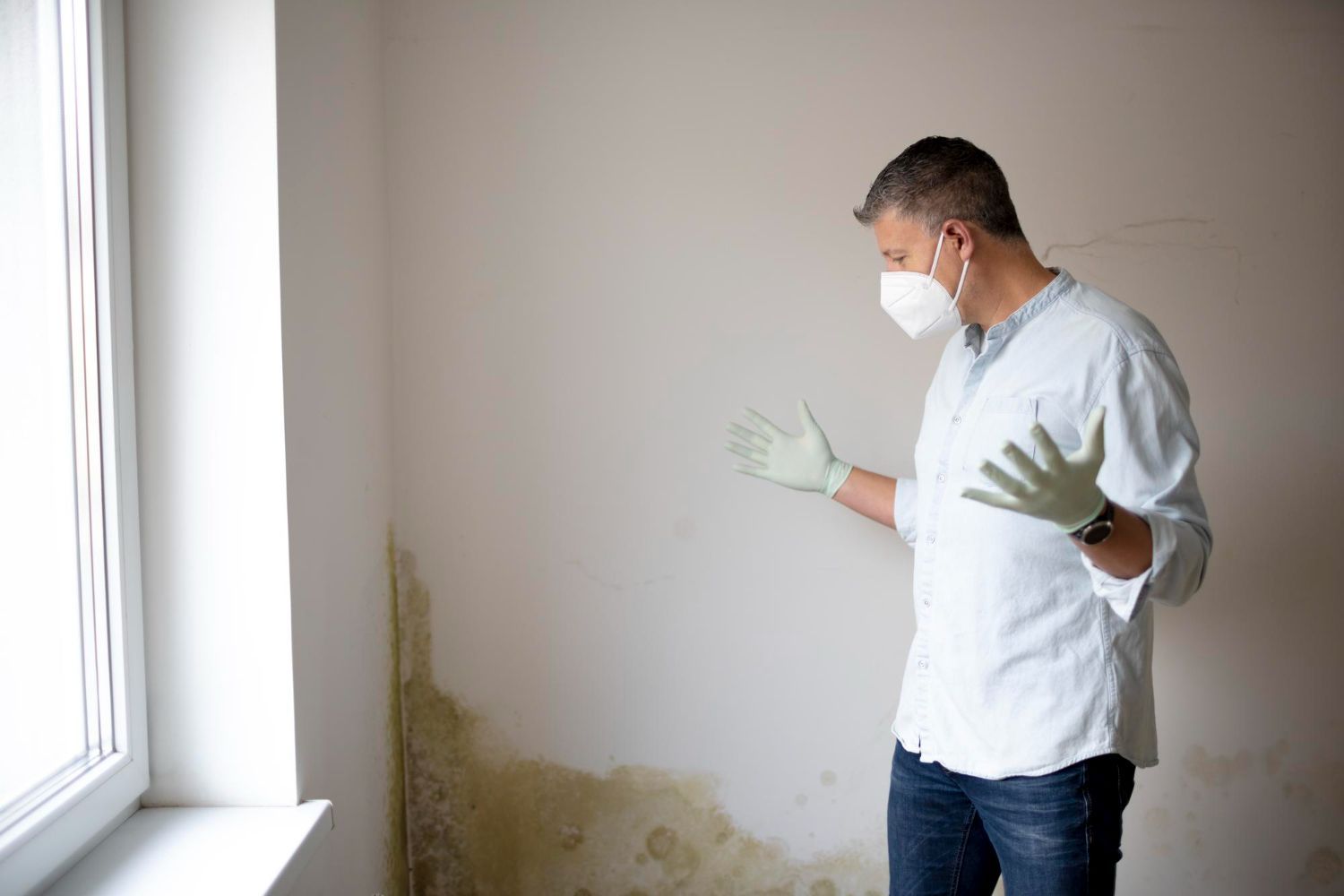
Crawl space waterproofing fixes a big part of the problem, but it does not finish the job by itself. Water may be controlled, yet humidity, damp wood, and lingering moisture can still let mold grow under your feet and spread into your living space. If you have a musty smell in your home or building after the work is done, that is often a sign the crawl space still needs attention.
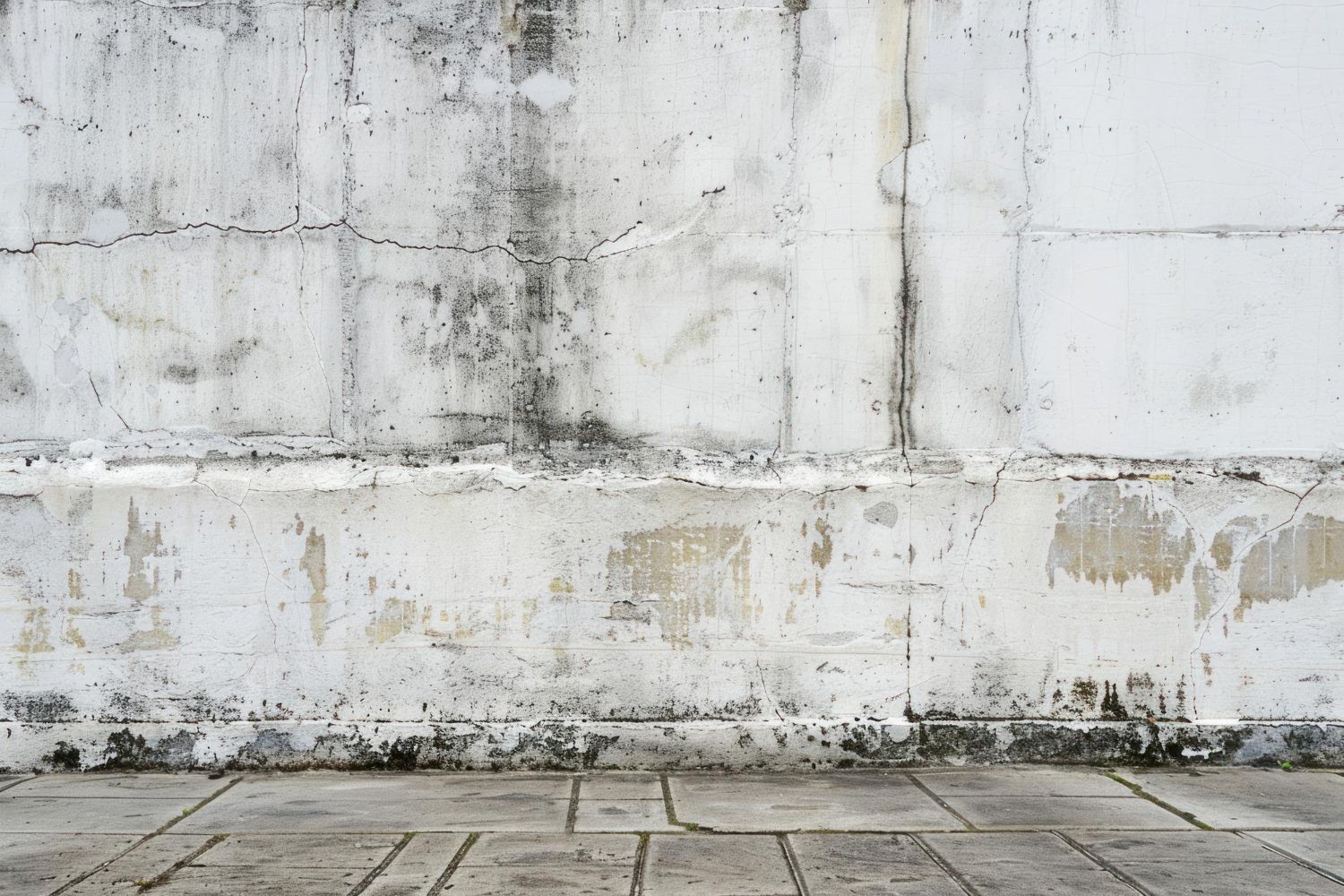
Right after waterproofing, mold risk can actually go up for a short time. Concrete, wood, and insulation may still be damp from years of moisture. As water paths change and areas dry at different speeds, humidity can get trapped in pockets. Without the right follow-up steps, that leftover moisture can feed mold.
At Regional Mold, we see three main pillars for keeping crawl spaces healthier long term: smart ventilation, the right dehumidification, and a simple maintenance routine. Put these together with crawl space waterproofing, and you have a much better chance of stopping mold before it starts.
Why Crawl Space Waterproofing Does Not Stop Mold Alone
Crawl space waterproofing is all about controlling liquid water. Typical work might include:
- Adding interior or exterior drains to move water away
- Installing or upgrading a sump pump
- Sealing cracks where water seeps in
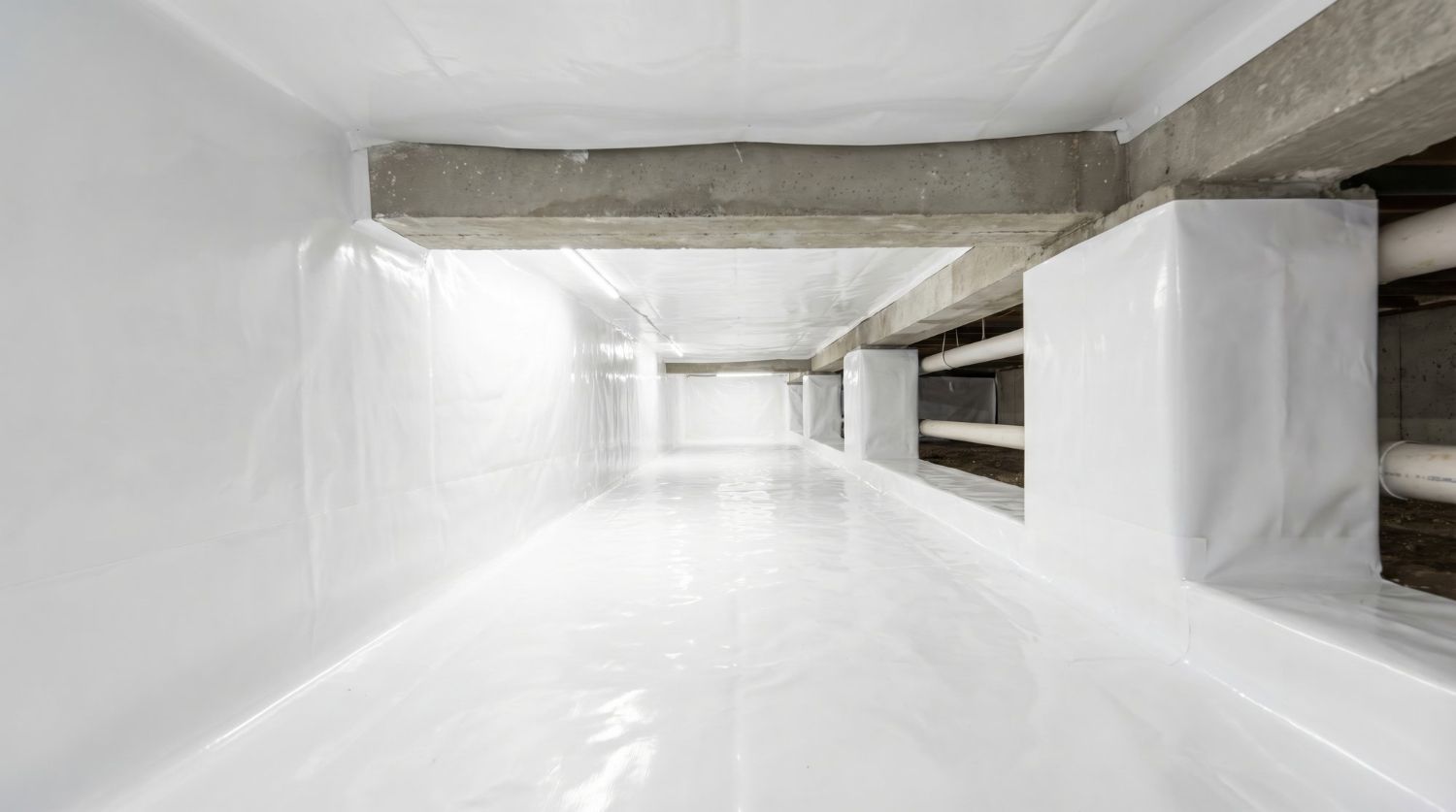
- Adding a vapor barrier to cover bare soil or concrete
These are all helpful steps, but they do not remove mold on their own. Waterproofing does not:
- Kill or remove mold spores hiding in wood, dust, or insulation
- Dry out damp framing and subfloor right away
- Control humidity from weather, plumbing leaks, or daily life inside the building
In the Hudson Valley, we deal with humid summers, wet springs, and cold winters with freeze and thaw. That mix is hard on crawl spaces. Warm, wet outdoor air can sneak into a cooler crawl space and turn into condensation on joists, ducts, and pipes. Even with waterproofing, that moisture can still feed mold.
Without a plan for humidity and airflow, you may find the crawl space looks “dry” at first, then starts to smell musty again once seasons change. That is the point where a lot of people feel stuck, because it seems like the waterproofing did not work, even though the real problem is hidden moisture and mold.
Smart Ventilation Strategies for a Dry, Healthy Crawl Space
For many years, people were told to leave crawl space vents open to “air things out.” We now know that simply opening vents in hot, humid summer air can actually make things worse. When that damp air hits cooler surfaces under your floor, water droplets can form on wood and insulation. That is perfect mold territory.
A smarter approach looks at both the season and the crawl space design:
- In hot, humid weather, open vents often pull in more moisture than they remove
- In cold seasons, open vents can cause very cold floors and even frozen pipes
- Sealed crawl spaces, when done correctly, can help keep humidity steadier
Better strategies can include:
- Keeping vents closed during very humid weather to limit moisture entry
- Using controlled venting only when outdoor air is drier than crawl space air
- Sealing the crawl space and adding planned air exchange or mechanical help instead of random vent openings
It is not always obvious which approach fits a specific property. It may be time to get professional help if you notice:
- Visible mold patches on joists, beams, or insulation
- A musty odor in rooms above the crawl space
- Rust on metal parts or sagging insulation batts
- Confusion about whether your crawl space should be sealed, vented, or a mix of both
As a local company working in Poughkeepsie and the larger Hudson Valley, we are used to these tricky choices in our climate.
Choosing and Using a Dehumidifier That Actually Works
Even after good waterproofing and better ventilation, a crawl space often needs a dedicated dehumidifier. Our area can stay muggy from late summer into early fall, and that lingering humidity is hard to control without equipment built for the job.
A crawl space dehumidifier should be sized for:
- The square footage of the crawl space
- How damp the space has been historically
- Typical humidity levels in your part of the Hudson Valley
Good placement matters too. The unit should sit where air can move freely around it, not stuffed into a tight corner behind ductwork. Condensate should drain to a sump pump or drain line so the water leaves the crawl space and does not just collect in a bucket that gets forgotten.
We usually suggest aiming for a relative humidity level between about 45 and 55 percent in the crawl space. That range is low enough to slow mold growth but not so dry that it stresses wood. Settings can be adjusted with the seasons: slightly more drying power in warm, humid months, and lighter settings when outdoor air is colder and drier.
Warning signs that your dehumidifier might be undersized or failing include:
- Recurring musty smells on the first floor or in basement areas
- Beads of moisture on ducts, pipes, or plastic vapor barriers
- New mold spots forming even after cleaning or past remediation
- The unit running nonstop but humidity readings staying high
When that happens, it is usually time for a closer look at both the unit and the crawl space conditions.
Seasonal Crawl Space Maintenance Checklist for Mold Prevention
A simple quarterly walk-through can save you from big mold headaches later. You do not need special tools to spot many early warning signs. Focus on being consistent and writing down what you see.
A basic quarterly checklist might include:
- Look for standing water or damp soil on or around the vapor barrier
- Check vapor barriers for tears, gaps, or edges pulling away from walls
- Inspect plumbing lines for drips, corrosion, or wet spots
- Scan joists, subfloor, and insulation for discoloration or fuzzy growth
- Listen for unusual sump pump noises or long run times
For late summer and early fall, when humidity can still be high and storms are common, add a few extra tasks:
- Clear leaves and debris from gutters and downspouts
- Make sure downspouts send water away from the foundation
- Check crawl space vents or access doors to confirm they close properly before storm season
- Test the sump pump by adding some water to the pit and watching it cycle
After major storms, minor flooding, or building renovations that change drainage or airflow, it is wise to get a professional mold inspection. That way, small issues are found while they are still easy to handle, instead of waiting until there is a strong odor or visible growth.
Protect Your Home Long-Term with a Pro Mold Prevention Plan
The main idea is simple: crawl space waterproofing is the starting line, not the finish line. Long-term mold control comes from a mix of water management, smart ventilation, steady dehumidification, and regular maintenance. Each part helps the others, and skipping one often lets moisture creep back in.
We suggest creating a written crawl space care calendar. Note down when to look things over, when filters or settings should be checked, and who is responsible. For homes, that might mean sharing the plan with everyone who helps care for the property. For rentals or commercial buildings, it may include landlords, managers, or facilities staff so there are no gaps in responsibility.
At Regional Mold, we help property owners in Poughkeepsie and across the Hudson Valley build mold prevention plans that match their crawl space, not someone else’s. Careful inspection, moisture readings, and clear recommendations can make crawl space waterproofing part of a full, long-term solution instead of a one-time fix.
Protect Your Home With Expert Crawl Space Solutions
If you are noticing musty odors, high humidity, or signs of water damage, now is the time to schedule professional crawl space waterproofing. At Regional Mold, we assess the source of moisture and design a solution that helps protect your home’s structure and your indoor air quality. We will walk you through every step, from inspection to repair, so you know exactly what to expect. Ready to get started? Reach out today through our contact page.