Hidden Health Risks of Attic Mold in Hudson Valley Homes
Why Attic Mold Is a Silent Threat in Hudson Valley Homes
Attic mold is one of those problems that can grow for years without anyone noticing. In the Hudson Valley, where we have older homes, cold winters, and humid summers, conditions are perfect for mold to take hold in hidden spaces. The attic is out of sight, so most people do not check it often if at all.
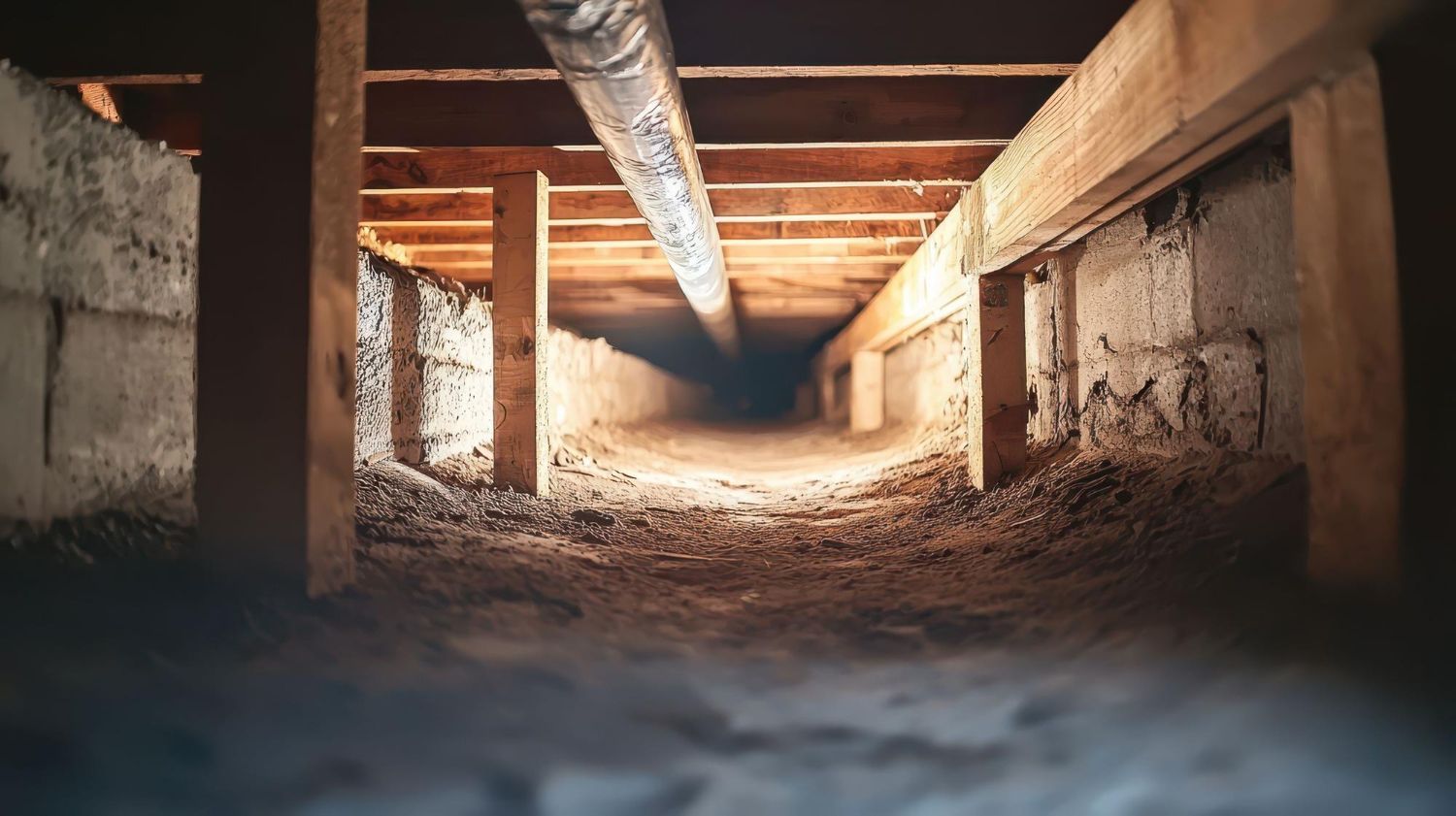
Unlike the mold you might see around a shower or in a damp basement corner, attic mold usually hides on roof sheathing, rafters, and around vents or chimneys. It can sit behind insulation or in dark corners where light never reaches. From the living room or kitchen, everything can look clean and normal while mold quietly spreads overhead.
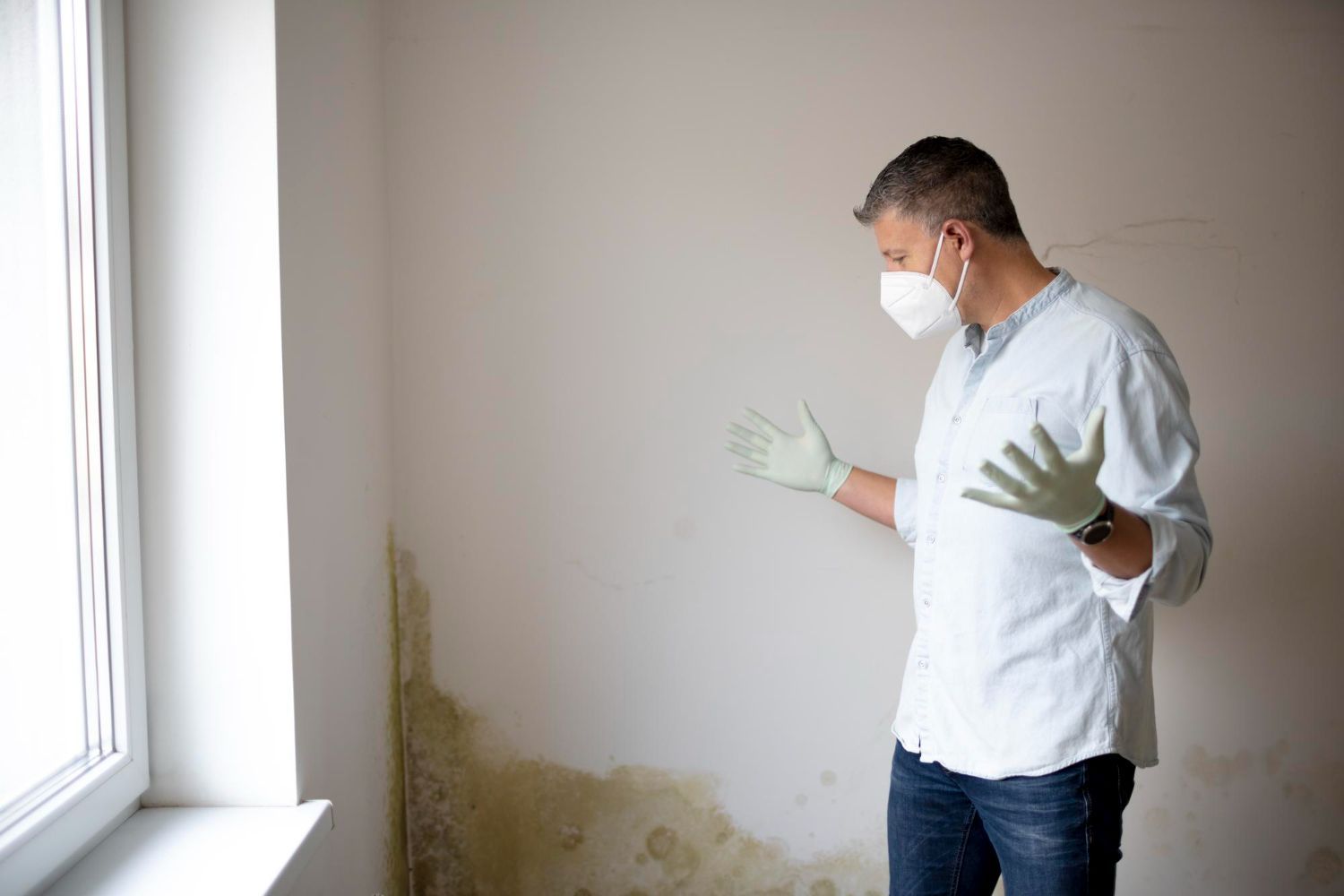
Even when it is out of sight, attic mold can still affect the air your family breathes. Small mold colonies release spores that can make their way into bedrooms and living areas. For kids, seniors, and anyone with allergies or breathing problems in places like Poughkeepsie, Westchester, and Orange County, that invisible mold can be a real health concern.
How Attic Mold Impacts Your Family’s Health
Many families notice health symptoms long before they discover mold in the attic. The house may look tidy and fresh, yet someone is always coughing or feeling stuffed up. Long-term exposure to mold can make people feel unwell without an obvious reason.
Common problems linked with attic mold exposure include:
- Chronic coughing or throat irritation
- Ongoing sinus issues or stuffy nose
- Headaches or brain fog
- Fatigue that does not seem to go away
- Asthma flare-ups or tightness in the chest
- Worsening seasonal or dust allergies
Mold spores and byproducts do not stay put in the attic. They can travel through small gaps around light fixtures, ceiling cracks, attic hatches, and pull-down stairs. If HVAC ducts run through or near the attic, those can also help spread air from contaminated areas into bedrooms and living spaces.
Certain people in Hudson Valley homes face higher risks when attic mold is present, such as:
- Young children, whose lungs are still developing
- Older adults with weaker immune systems
- Anyone living with asthma, COPD, or other breathing issues
- People with strong allergy reactions or chronic sinus problems
During our long heating season, windows often stay closed, and air recirculates inside. That means people can be exposed to low levels of mold day after day. Over time, this can intensify symptoms and make the home feel stuffy or uncomfortable even when it looks clean.
Why Hudson Valley Attics Are Mold Hotspots
Our local climate plays a big role in attic mold problems. Heavy winter snow can sit on roofs for days. When ice dams form at the roof edges, water can back up under shingles and leak into the attic without ever dripping through the ceiling. Spring storms bring wind-driven rain, and humid late spring and summer days hold moisture in the air during the May-through-September stretch.
When that outside moisture combines with warm air from inside the house, the attic becomes a mold hotspot. Many Hudson Valley homes have:
- Poor or uneven attic ventilation
- Blocked or painted-over soffit vents
- Bathroom fans that vent into the attic instead of outdoors
- Thin or poorly placed insulation that allows warm, moist air to rise
Warm indoor air carries moisture from showers, cooking, and even breathing. When it leaks into a cold attic, that moisture can condense on nails, roof boards, and rafters. The wood then stays slightly damp, which gives mold exactly what it needs to grow.
Homeowners in Poughkeepsie, Westchester, and Orange County can watch for warning signs like:
- Dark staining or streaks on roof sheathing or rafters
- A musty or damp smell near the attic hatch or upstairs hallway
- Rusted or orange-tipped nails in the attic
- Wood that looks warped or wavy
- Condensation or frost on nails and boards after cold nights
These signs often show up long before obvious leaks or ceiling stains, which is why an attic check is so important.
When DIY Fails and Professional Attic Mold Removal Is Critical
When people first spot attic mold, they often think it is a simple cleaning job. A quick spray, some bleach, or a coat of paint might seem like an easy fix. The problem is that these do-it-yourself steps only treat the surface and do not address the moisture that allowed the mold to grow.
Scrubbing or spraying mold in an attic without proper protection can:
- Release more spores into the air
- Drive mold deeper into porous surfaces
- Spread contamination to other parts of the home
- Miss hidden mold behind insulation or in hard-to-reach areas
Professional attic mold removal is a more careful and complete process. A proper job usually includes inspection, a moisture and ventilation check, and a plan to stop mold from coming back. Trained crews use containment setups to keep spores from moving into living spaces, along with HEPA air filtration to clean the air while they work.
Depending on the situation, they may remove heavily damaged materials, clean and treat surfaces, and handle insulation safely. Working in an attic also means dealing with electrical wiring, nails, tight spaces, and heat. In the Hudson Valley, it is important that mold work follows New York guidelines and accepted industry standards so your home stays safe and your air stays as clean as possible.
Protecting Your Home Year-Round with Smart Prevention
Once attic mold is handled the right way, the goal is to keep it from coming back. Prevention in the Hudson Valley needs to account for our changing seasons and the way moisture moves through a house over time.
Helpful seasonal checks can include:
- Spring inspections of the roof and gutters after snow and ice
- Looking for missing shingles, loose flashing, or clogged downspouts
- Summer attic ventilation checks during hot, humid stretches
- Fall prep to seal gaps and get the home ready for closed-window weather
Practical home upgrades can make a big difference, such as improving attic ventilation so air moves in and out more freely. Sealing air leaks from living spaces helps keep warm, moist air from rising into the attic. Bathroom and dryer vents should send moist air outside, not into the attic or soffits. Small roof or flashing leaks should be handled early before they soak wood or insulation.
Regular inspections from a local restoration company that understands our regional weather can catch attic issues while they are still small. When moisture and mold are found early, it is easier to protect the structure of your home and keep indoor air feeling fresher and more comfortable for your family through every season.
Take Control of Attic Mold Before It Affects Your Health
If you notice a musty odor upstairs, unexplained breathing issues, or you have had roof leaks or ice dams, it is smart to have your attic checked. Attic mold removal is usually faster and less disruptive when the problem is caught early, and it can prevent more serious damage over time.
For homeowners in Poughkeepsie, Westchester, and Orange County, having a local team that understands our housing styles and climate can make attic mold problems much easier to manage. At Regional Mold, we focus on careful inspections, moisture evaluations, and attic mold removal plans that fit each home and family, so you can move into the warmer months with a dry attic and more confidence in the air you breathe.
Protect Your Home With Safe, Professional Mold Removal Today
If you have spotted dark spots, musty odors, or moisture issues in your attic, now is the right time to act before the damage spreads. At Regional Mold, we provide comprehensive
attic mold removal that targets the source of the problem and helps prevent it from coming back. Our team will inspect your home, explain your options clearly, and complete the work with careful attention to safety. Ready to schedule service or ask questions about your situation? Just
contact us and we will help you take the next step.