Questioning Attic Mold Removal Myths in Hudson Valley Homes
Stop Believing Attic Mold Myths Before They Cost You
Attic mold is one of those problems many Hudson Valley homeowners would rather not think about. But with our older housing stock, humid summers, big temperature swings, and heavy winter snow, attics in this area see a lot of moisture. That moisture is what mold loves most.
When people do think about attic mold removal, they often rely on half-true tips from neighbors or quick online hacks. Those myths can lead to bigger repair bills, poor indoor air, and even roof damage that shows up years later. At Regional Mold, we want to clear up the confusion so you can protect your home and know when it is time to bring in a professional team in Poughkeepsie that understands Hudson Valley homes.
The Truth About What Attic Mold Really Is
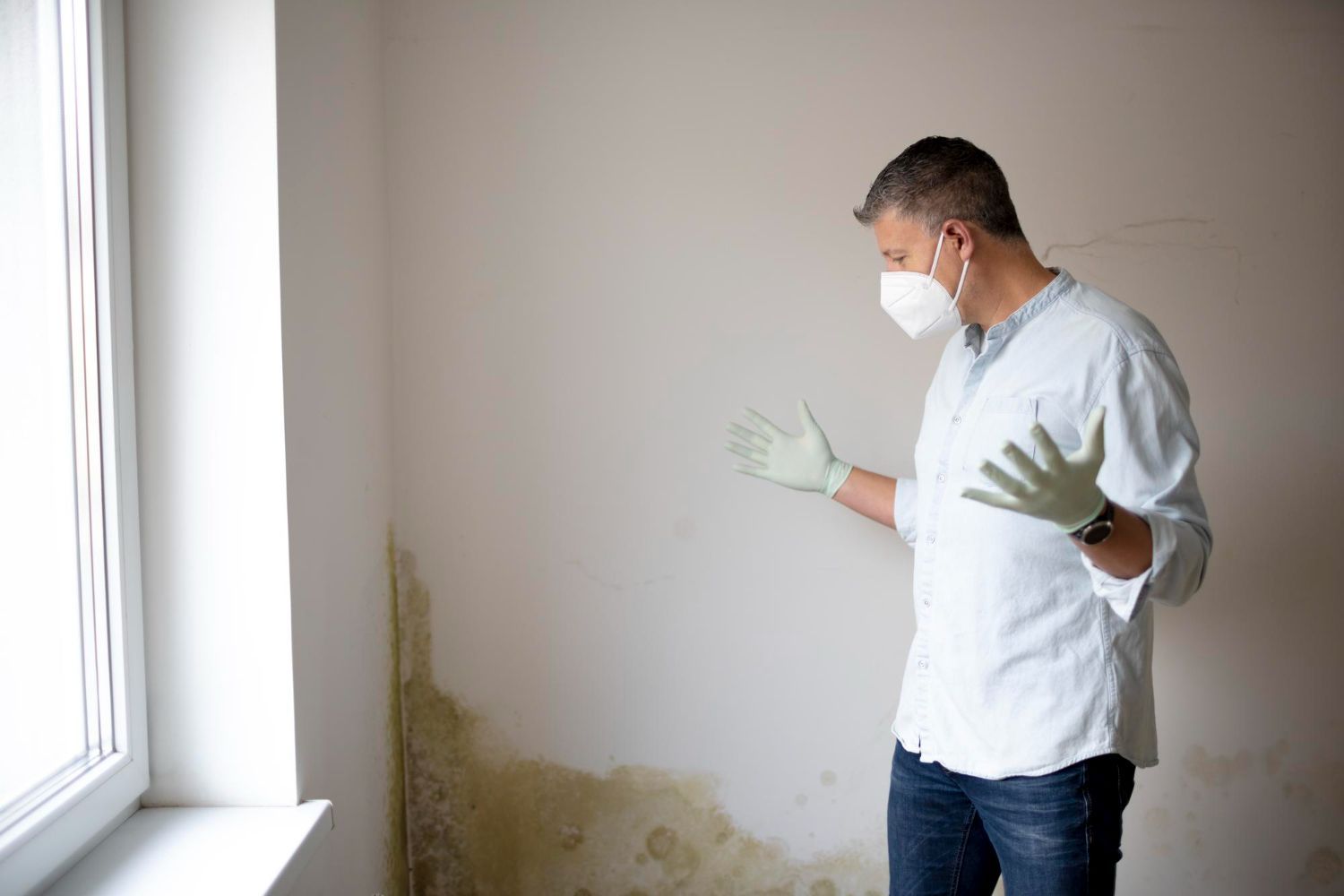
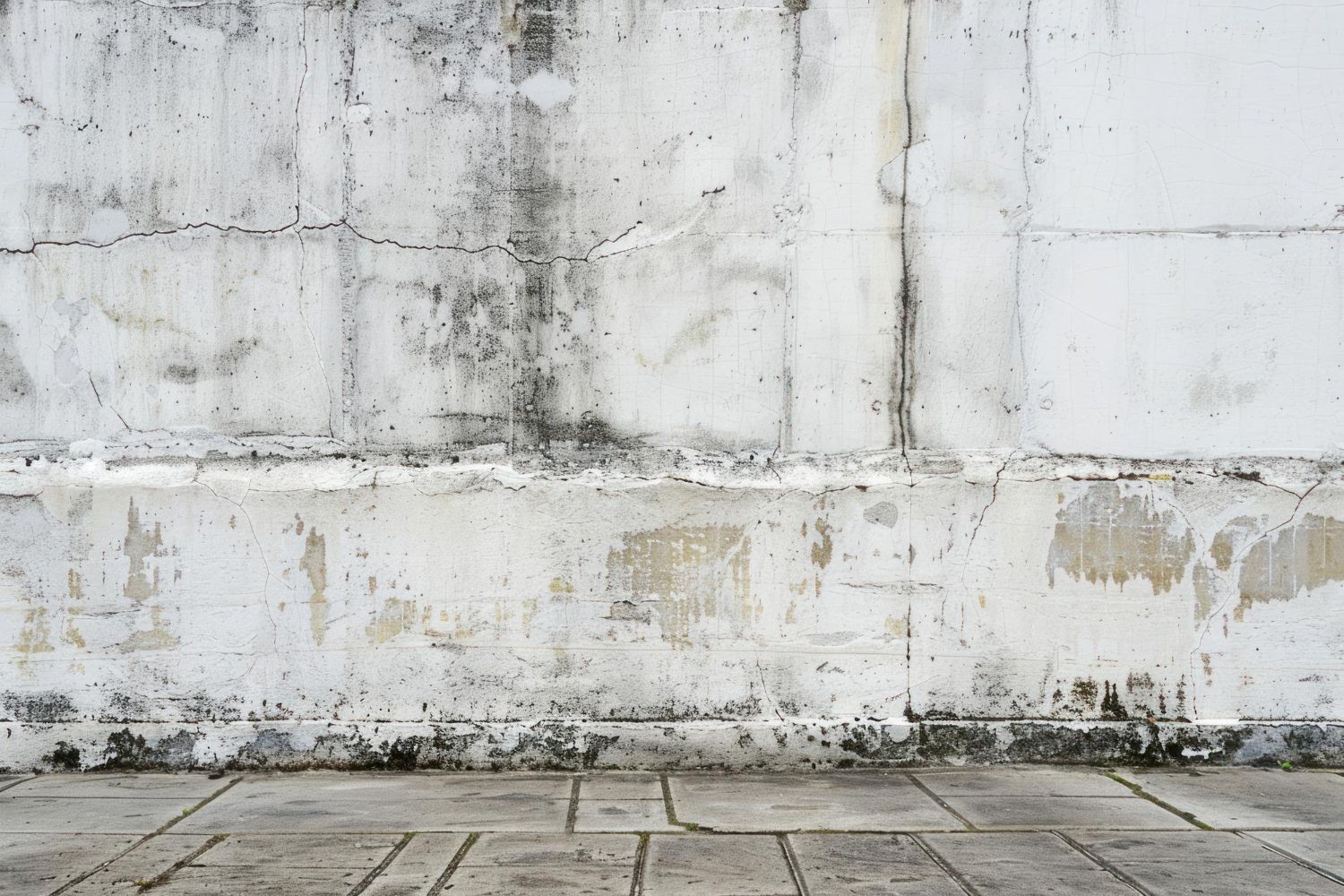
Attic mold is not just an “old house smell” or a stain that comes with age. Mold in your attic is almost always a moisture problem. Common causes include:
- Poor attic ventilation
- Roof leaks from storms or ice dams
- Bathroom or kitchen fans venting into the attic
- Warm, moist air leaking up from your living space
Once mold finds the right mix of moisture and food, it spreads across wood sheathing, rafters, and sometimes insulation. Attics are especially at risk at the end of summer when humidity is high, and after winter when warm indoor air meets cold roof surfaces and turns into condensation.
Is attic mold always a disaster? Not always. Sometimes it is a warning sign that something small needs fixing, like a minor leak or blocked vent. But it can be more serious when:
- You see heavy or patchy growth across large areas
- The wood looks soft, warped, or crumbly
- There are strong musty odors that do not go away
The key is to treat attic mold as a sign that your home needs attention, not as a normal part of aging.
Common Attic Mold Removal Myths Homeowners Believe
Myths about attic mold removal spread fast, especially in areas with lots of older homes like the Hudson Valley. Here are a few we hear all the time.
Myth: “If I can’t see mold in my living space, it’s not a big deal.”
Attic mold can still affect your home even if your walls and ceilings look fine. Spores can move through tiny air leaks, light fixtures, and attic hatches. Moist, moldy attics can also:
- Make your insulation less effective
- Increase energy use because heat escapes into the attic
- Lead to slow damage of roof framing and sheathing
So the problem is not always where you can see it.
Myth: “Bleach is all I need for attic mold removal.”
Bleach on wood and other porous materials often only treats the surface. The mold roots can stay inside the material and grow back later. Bleach can also give a false sense of safety, since the stain may fade while the moisture problem remains.
Myth: “It will go away when it gets cold.”
Cold weather can slow mold growth, but it does not erase mold that is already there. It is more like mold goes to sleep and waits for the next warm, damp spell. In the Hudson Valley, fall and winter temperature swings can actually increase condensation in attics, which gives dormant mold fresh moisture to start growing again.
Why DIY Attic Mold Fixes Often Make Things Worse
DIY fixes in an attic may seem simple, but they can cause more problems than they solve. When you disturb mold without proper containment and protective gear, you can send spores into the rest of your home. Those spores can move into the HVAC system, cling to insulation, or settle in other hidden corners.
Partial cleanup is another common issue. Many homeowners only scrub what they can see and never track down the real source of moisture. That often leads to:
- Mold returning a few months later
- More staining along rafters and sheathing
- Extra damage to insulation and wood over time
In our region, we also see some repeating mistakes, like:
- Pushing insulation tight into soffit areas and blocking vents
- Painting over mold stains without proper cleaning and treatment
- Ignoring small roof leaks from ice dams or summer thunderstorms
These choices may hide the problem for a while, but they do not fix it. In some cases, they even trap more moisture in the attic.
Professional Mold Remediation vs Quick Cleanups
Attic mold removal done by trained professionals is very different from a quick scrub and spray. A thorough process usually includes:
- Careful inspection of the attic and roof area
- Finding moisture sources, like leaks, bad vents, or air leaks
- Setting up containment so spores do not spread
- Using HEPA filtration to clean the air in the work area
- Cleaning and treating affected surfaces with proper tools and products
Not every dark spot in the attic is active mold. Some staining can be from old moisture events or age. A professional can tell the difference between harmless staining and active growth that needs treatment or removal.
In some cases, cleaning is enough. In others, badly damaged materials may need to be removed and replaced to protect the roof structure. A local company that works on Hudson Valley homes day in and day out understands:
- Common roof designs in this area
- Typical attic ventilation problems in older homes
- How our climate affects moisture and temperature in attics
That local knowledge helps make the plan for your attic more accurate and more effective.
Preventing Attic Mold Before the Seasons Change
Late summer and early fall are great times to check your attic before heating season and snow loads arrive. The weather is usually mild enough to work in the space, and there is still time to fix issues before winter.
Helpful steps to reduce attic mold risk include:
- Making sure attic vents are open and not blocked by insulation
- Confirming bathroom and kitchen fans vent all the way outside
- Sealing gaps around attic hatches, light fixtures, and ceiling openings
- Taking care of small roof or gutter problems so water does not back up
A trained eye can spot early warning signs like slight staining, damp insulation, or signs of past ice dams. Catching those signs early can reduce the chance of needing large attic mold removal projects later.
Take Control of Your Attic Before Mold Takes Over
Homeowners across the Hudson Valley do not have to guess about attic mold or rely on old myths passed from neighbor to neighbor. The best approach is to trust what a real inspection shows: where moisture is getting in, how far mold has spread, and what needs to change so it does not come back.
A simple first check you can do yourself is to note:
- Any visible staining or dark spots on wood
- Musty or earthy odors when you open the attic hatch
- Places where leaks have happened in the past
- Insulation that looks damp, matted, or out of place
- History of ice dams or heavy roof snow problems
With that information, a professional mold remediation team like Regional Mold in Poughkeepsie can confirm if mold is present, track down moisture sources, and create a safe attic mold removal plan that fits your home and the Hudson Valley climate.
Protect Your Home With Professional Attic Mold Removal Today
If you suspect mold in your attic, Regional Mold is ready to inspect the problem and provide safe, thorough
attic mold removal. We use proven methods to remove mold and help prevent it from coming back, so your home and air quality stay protected. Reach out today to schedule your assessment or ask questions about our process, or
contact us to get started.