Hudson Valley Crawl Spaces: Moisture Sources and How to Diagnose Them
Stop Hidden Crawl Space Moisture Before It Spreads
Crawl space moisture is not just a “downstairs” problem. In Hudson Valley homes, what happens under the floor often shows up as musty smells, cold or damp floors, higher energy bills, and more dust and allergy symptoms upstairs. When the air below your home is wet and stale, that air often finds its way into the rooms you live in.
Our area is tough on crawl spaces. We get wet springs, humid summers, and many homes around Poughkeepsie have older foundations and aging plumbing. Moisture can creep in from three main sources: groundwater, humid air, and plumbing leaks. They can look similar at first glance, but each one needs a different fix.
In this guide, we will walk through how local weather affects crawl spaces, what to look for with each moisture source, and how basic crawl space waterproofing and repairs can help. The goal is to help you understand what you are seeing so you can make smart choices and know when to bring in a professional team like ours at Regional Mold.
How Hudson Valley Weather Impacts Crawl Spaces
Hudson Valley weather throws a lot at your foundation. We see frequent rain, snow that melts all at once, and long stretches of sticky summer air. In low-lying neighborhoods or homes near rivers and streams, the ground around the foundation can stay damp for days.
Different seasons tend to bring different crawl space problems. In late winter and spring, snowmelt and repeated storms can raise the water table, and that water can push against foundation walls and seep into crawl spaces. During summer, outdoor air is warm and humid, and when that air slips into a cooler crawl space, it can leave moisture on wood and metal. In the cold months, plumbing pipes are under more stress from freeze and thaw, and heavy holiday use can expose weak spots in drain lines and supply lines.
Many Hudson Valley homes have features that make crawl spaces more likely to collect moisture, such as:
- older stone or block foundations with gaps
- low clearance areas that are hard to inspect
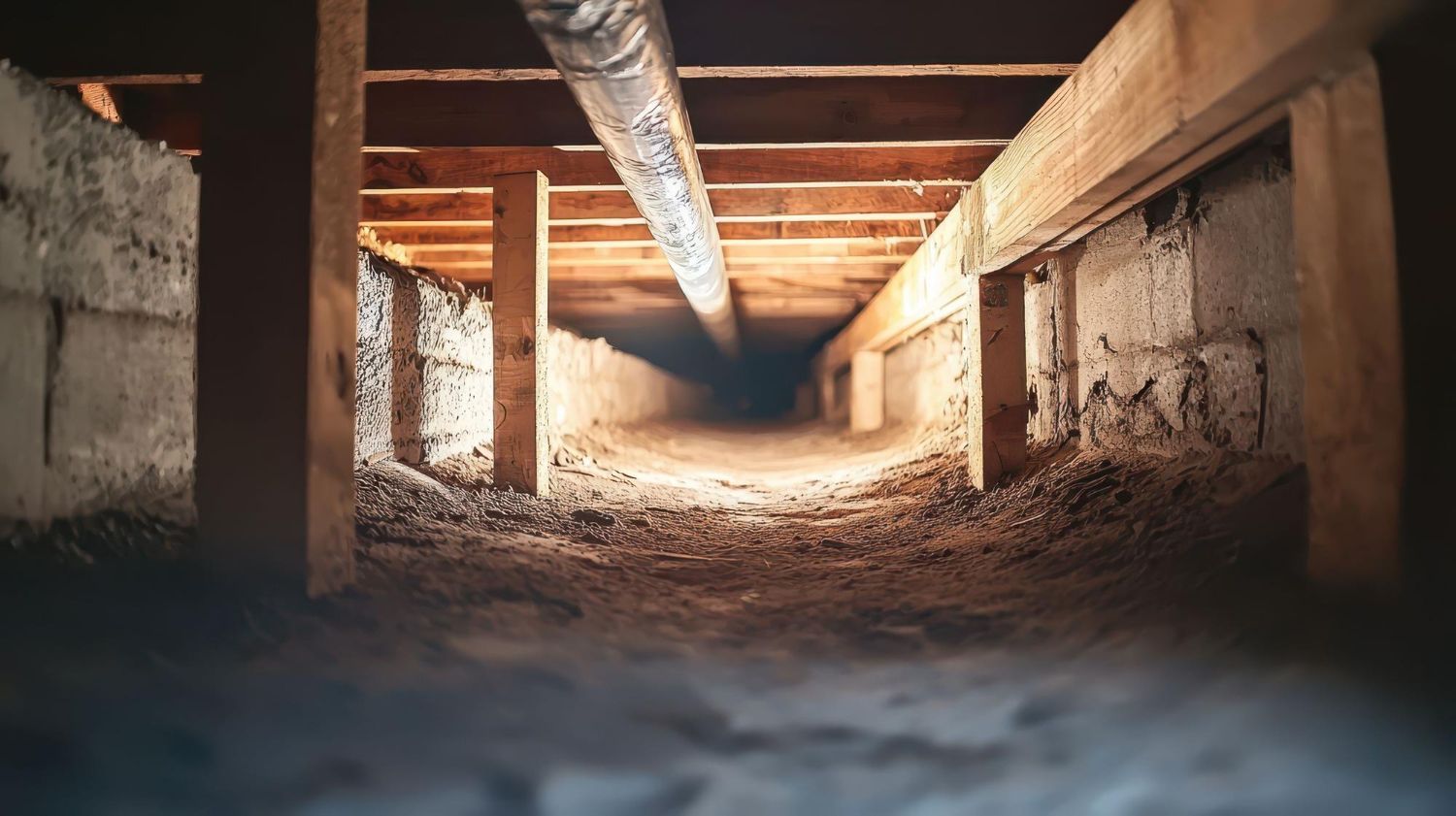
- thin or damaged vapor barriers on the ground
- plumbing that has seen many seasons
All of this creates more chances for water and humidity to linger out of sight.
Groundwater Intrusion Signs and Diagnostic Tips
Groundwater problems start outside your home, then work their way in. A high water table, poor grading that slopes toward the house, clogged gutters, or short downspouts can leave water sitting right against your foundation. After a few days of steady rain, that water looks for the easiest path, which may be under the footing or through small cracks.
Typical signs of groundwater intrusion include:
- Standing water or mud that lingers days after a storm
- Damp soil across wide areas, not just under a pipe
- Water lines or tide marks on foundation walls or piers
- White chalky deposits on masonry, called efflorescence
- Torn, muddy, or floated vapor barriers on the floor
- Musty odors that spike after a rainy stretch
To narrow it down, it helps to check conditions at the right time and connect what you see indoors with what is happening outdoors. Try going into the crawl space a couple of days after a heavy rain (not right away) and note where water is pooling and whether it seems to be coming from wall seams, floor joints, or open vents. Then walk around the outside of the house and look for these common contributors:
- Soil sloping toward the foundation
- Gutter outlets dumping water near the wall
- Low spots that hold puddles close to the house
If moisture shows up mainly after storms and you see wide, ground-level wetness, groundwater is likely a main source. In those cases, professional crawl space waterproofing may include drainage lines, a sump pump, and sealing common entry points to help manage chronic water pressure.
Humidity and Condensation Problems in Warm Months
Humidity issues work very differently from groundwater. In summer, the air in the Hudson Valley holds a lot of moisture. When that warm, damp air gets into a cooler crawl space, the moisture can condense on cool surfaces, just like a cold drink sweats on a hot day. Open vents, unsealed gaps, and bare metal ductwork make this worse.
Look for these signs of humidity-driven problems:
- Beads of water or rust on metal ducts, pipes, or hangers
- Insulation that is damp, moldy, or sagging from the joists
- Widespread surface mold on wood, not just in one small corner
- Cupping or warping of hardwood floors above the crawl space
- Musty smells that are strongest on hot, sticky days
To confirm that humidity is the main driver (rather than flooding), compare a few simple observations and measurements:
- Use a simple hygrometer to measure crawl space humidity. Readings over 60 percent are a warning sign.
- Compare crawl readings to the outdoor air. If both are high, and there is little standing water, the issue may be air moisture, not flooding.
- Look for more condensation and mold than actual puddles on the ground.
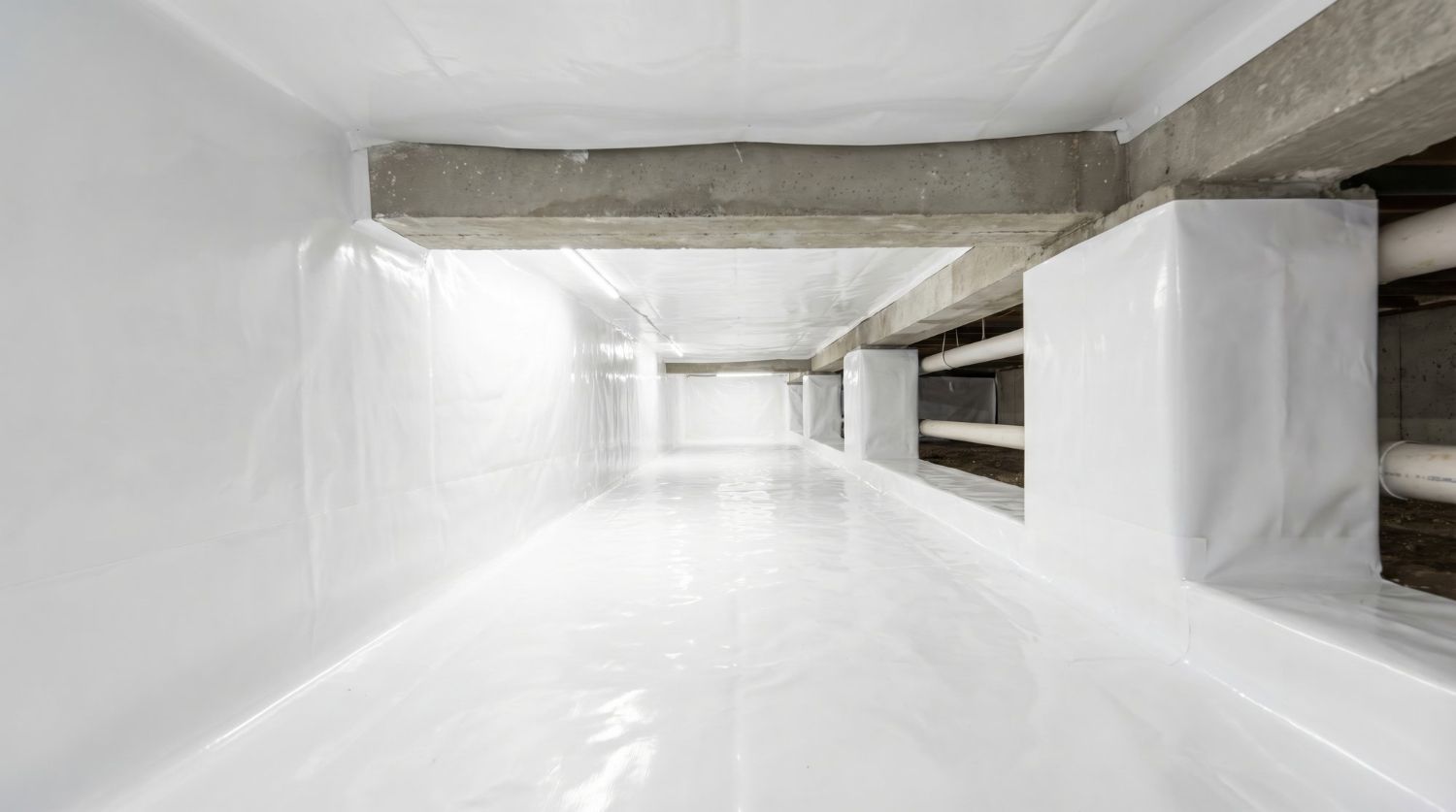
Modern crawl space waterproofing for humidity often focuses on controlling the air. Options may include a heavy-duty liner on the ground and walls, sealing vents and gaps, dedicated dehumidifiers, and insulating ducts and rim joists so they do not constantly “sweat.”
Plumbing Leaks and Hidden Slow Drips Under Your Home
Plumbing leaks can be sneaky because they keep adding water even when the weather is dry. In crawl spaces, we often see problems with aging copper or PVC lines, hose bibs that pass through the wall, washing machine lines, drain pipes from kitchens and bathrooms, and main water lines as they enter the home. Cold snaps and sudden pressure changes can push weak joints to fail.
Plumbing leaks usually look different from groundwater or humidity:
- Puddles or damp soil that appear during a dry spell with no rain
- Wet areas that line up directly under pipes or under one bathroom or kitchen
- Active drips or tiny sprays when water is running
- Green or white mineral buildup and corrosion on fittings
- Moisture trails along joists running away from a bathroom or sink above
One practical test that many homeowners try is to “run the house” while someone watches the exposed plumbing. Have one person stay in the crawl space with a flashlight, while another person runs sinks, showers, flushes toilets, and starts the dishwasher and washing machine one at a time. Watch each exposed pipe, joint, and valve for movement, drips, or new wet spots, and pay special attention to the main water line entry and long horizontal drain runs.
If you see an active leak or strong signs of a slow drip, it is important to stop the water flow if you can and get professional plumbing help quickly. The longer a leak runs, the higher the chance of mold growth, wood rot, insect activity, and structural damage.
Matching the Right Fix to the Right Moisture Source
Treating every crawl space the same can waste time and money. A sump pump will not fix humid air. A dehumidifier will not stop a broken pipe. New insulation will not help if groundwater continues to wash through every spring. The first step is always to understand whether groundwater, humidity, plumbing leaks, or a mix of all three is at work.
Here are some common solution paths:
- For groundwater issues:
- Improve exterior grading so soil slopes away from the foundation.
- Clean and extend gutters and downspouts.
- Install interior drain systems and a sump pump if water pressure is chronic.
- Seal common entry points in walls and around penetrations.
- For humidity and condensation:
- Encapsulate the crawl space with a quality floor and wall liner.
- Seal vents and major air gaps to limit humid outdoor air.
- Add a crawl space dehumidifier sized to the area.
- Insulate ductwork and rim joists so they stay drier.
- For plumbing leaks:
- Repair or replace damaged pipes, valves, or fittings.
- Dry and clean affected surfaces to remove moisture and residue.
- Address mold growth with proper remediation if it is present.
Professional help is especially important when you see standing water, visible mold on wood, sagging floors or piers, repeating seasonal issues, or when odors from the crawl space reach bedrooms and living areas. At Regional Mold in Poughkeepsie, we inspect crawl spaces across the Hudson Valley, track moisture sources, and provide tailored mold remediation, cleaning, and crawl space waterproofing plans.
Protect Your Hudson Valley Home with a Crawl Space Checkup
A simple crawl space checkup can tell you a lot. Choose a dry stretch of weather and take notes on what you see and smell under your home. Then, after a wet week, check again. Compare odors, visible water, condensation, and any humidity readings you collected. A small notebook or photo log can be very helpful when you talk with a professional.
Taking care of crawl space moisture protects more than just the underside of your house. It helps keep indoor air fresher, supports the structure that holds your floors, and lowers the risk of mold and pests. For homeowners across the Hudson Valley, especially those planning to sell or who have had past water events, paying attention to conditions under the home is a smart step toward a healthier, more comfortable living space.
Protect Your Home With Professional Crawl Space Waterproofing Today
If you are noticing musty odors, moisture, or visible mold, now is the time to act before the damage spreads. At Regional Mold, we provide thorough inspections and tailored
crawl space waterproofing solutions to safeguard your home’s structure and air quality. Reach out so we can assess your crawl space, explain your options clearly, and recommend the right long-term fix. Have questions or ready to schedule an appointment? Simply
contact us and we will follow up promptly.