Crawl Space Encapsulation vs. Waterproofing vs. Dehumidifiers for Hudson Valley
Stop Mold Before It Starts in Your Crawl Space
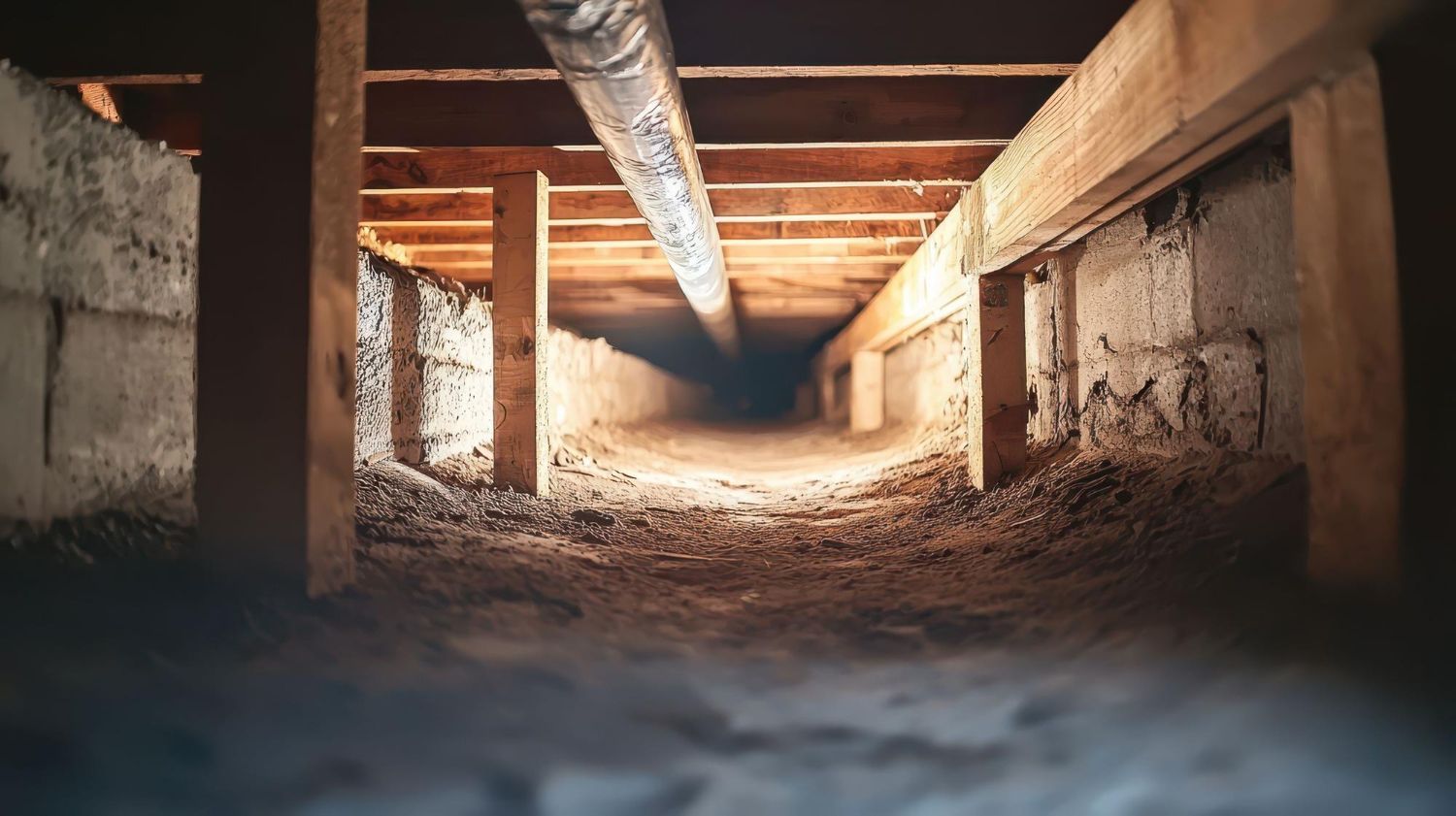
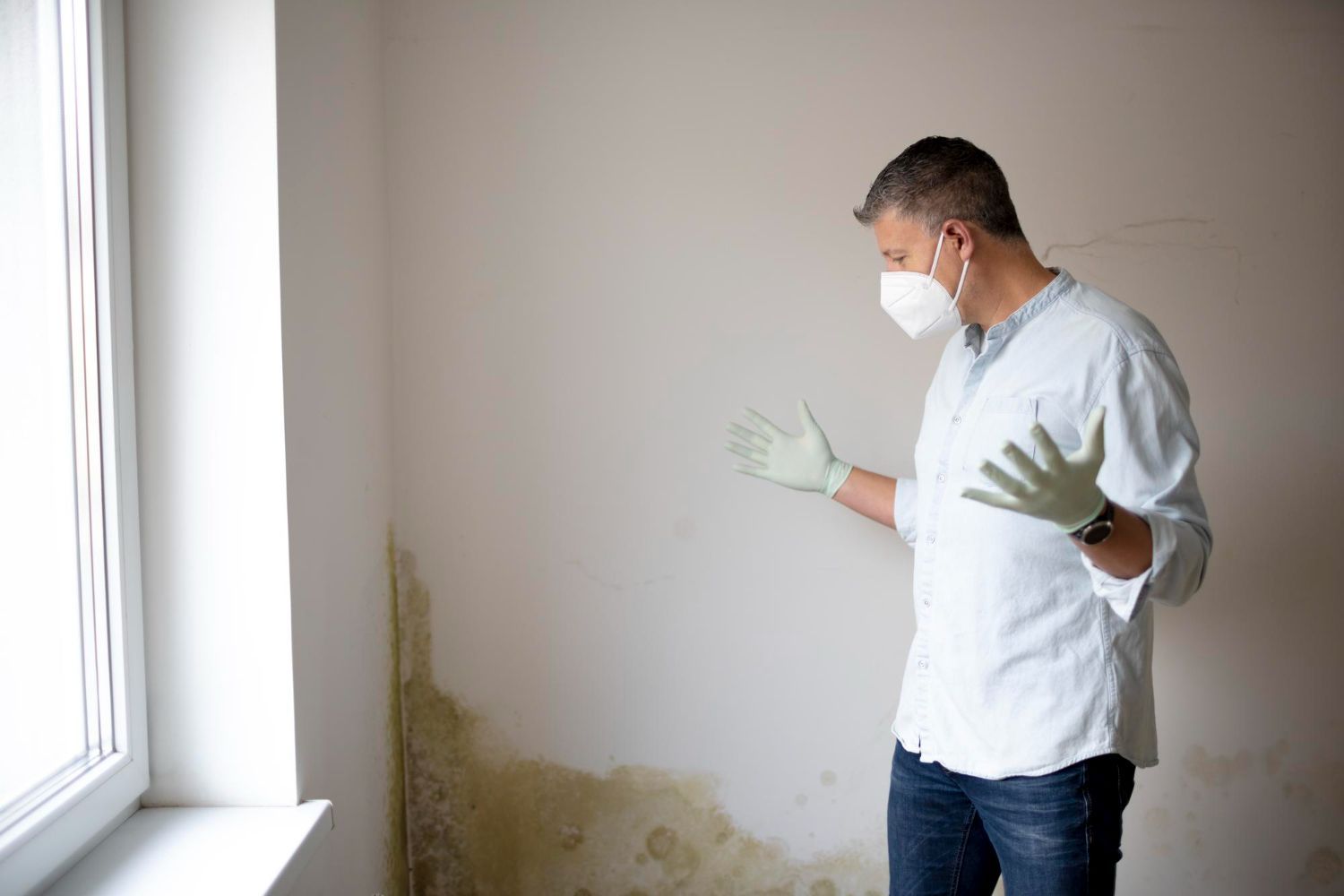
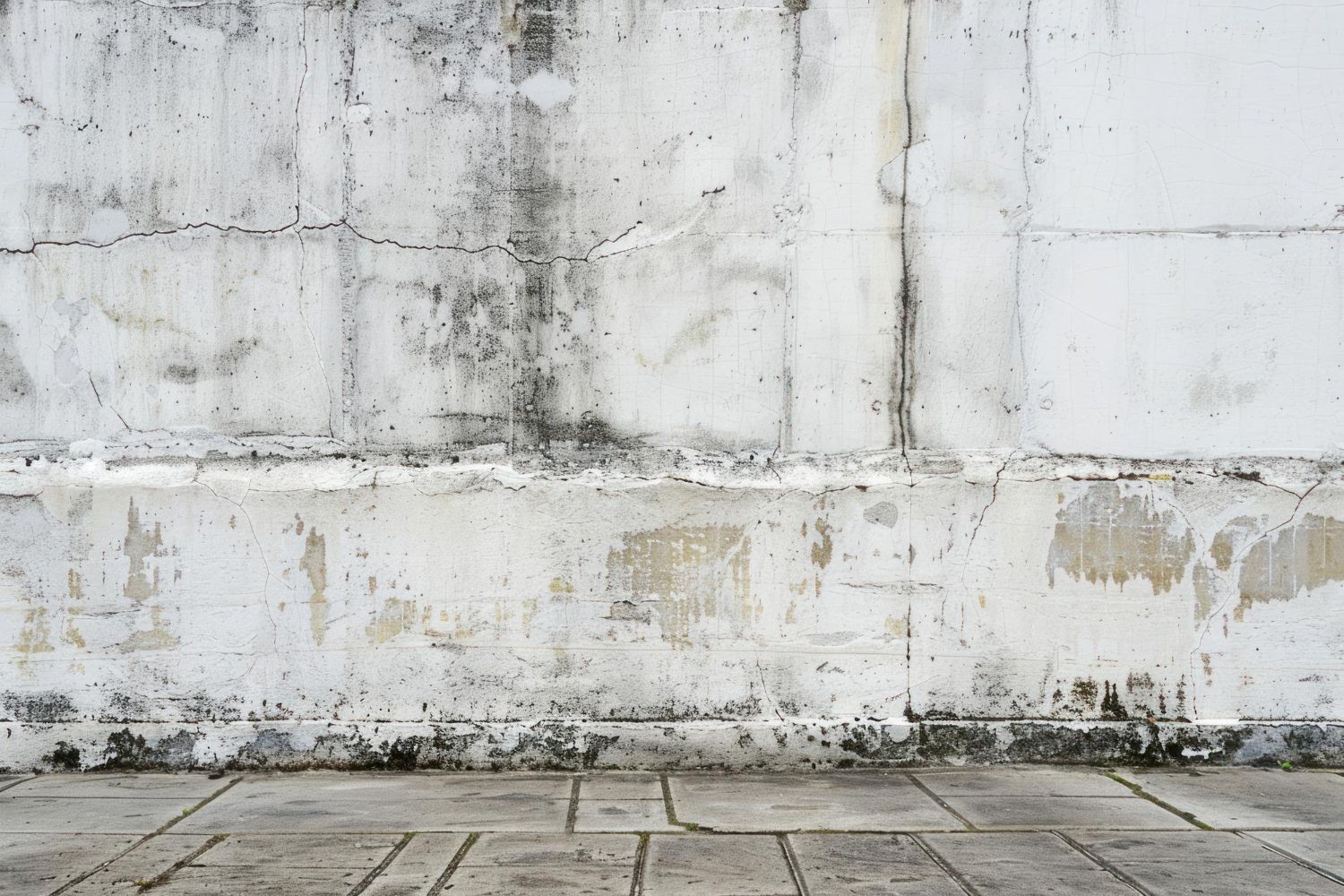
Moisture in your crawl space is not just a “downstairs” problem. In the Hudson Valley, our humid summers, rainy springs, and long, snowy winters create a perfect setup for damp soil, sweating pipes, and wet foundation walls. All that moisture can settle under your home and quietly feed mold growth where you rarely look.
Your crawl space affects your whole house. Air from below rises into your living areas. That means mold spores, musty odors, and dusty air can move right upstairs. Damp crawl spaces can also lead to higher energy bills, sagging insulation, and even damage to wood framing over time.
Most homeowners hear about three main ways to fight crawl space moisture: encapsulation, waterproofing, and dehumidifiers. Each one has a role, but they are not equal. We will walk through what each approach does, what it does not do, and how to choose the best fit for your Hudson Valley home and budget.
How Crawl Space Encapsulation Protects Hudson Valley Homes
Crawl space encapsulation means turning that damp, open space into a sealed, controlled area. The process usually includes:
- Lining the ground with a thick plastic vapor barrier
- Sealing seams and taping the barrier up foundation walls
- Closing or sealing foundation vents
- Adding insulation in the right areas
- Often adding a dehumidifier or some conditioned air from the home
In our local climate, encapsulation can be a strong defense. When summer humidity hits, the sealed barrier helps stop moisture from the soil and outside air from filling the crawl space. Less moisture means less chance for mold to get started on floor joists, subfloor, insulation, and insulation.
Encapsulation can also help:
- Cut down on musty odors that travel into living spaces
- Improve overall indoor air quality
- Make floors feel less cold during winter months
- Support more stable humidity all year
There are some downsides. Encapsulation is more of a full project than a quick fix. It needs careful planning and professional installation. If a crawl space has standing water, plumbing leaks, or active mold, those issues must be handled first. Without proper drainage and prep work, sealing the space can trap moisture and problems inside.
So encapsulation often makes the most sense when you want a long-term solution and your crawl space has chronic dampness, recurring odors, or signs of ongoing mold.
Waterproofing Basics and When They Make Sense
Waterproofing is all about controlling liquid water that finds its way under or around your home. For crawl spaces and basements, that can include:
- Grading soil so water flows away from the foundation
- Installing or improving gutters and downspouts
- Adding French drains to collect water along the footing
- Installing sump pumps to move collected water out
- Applying sealants or coatings to interior walls or floors
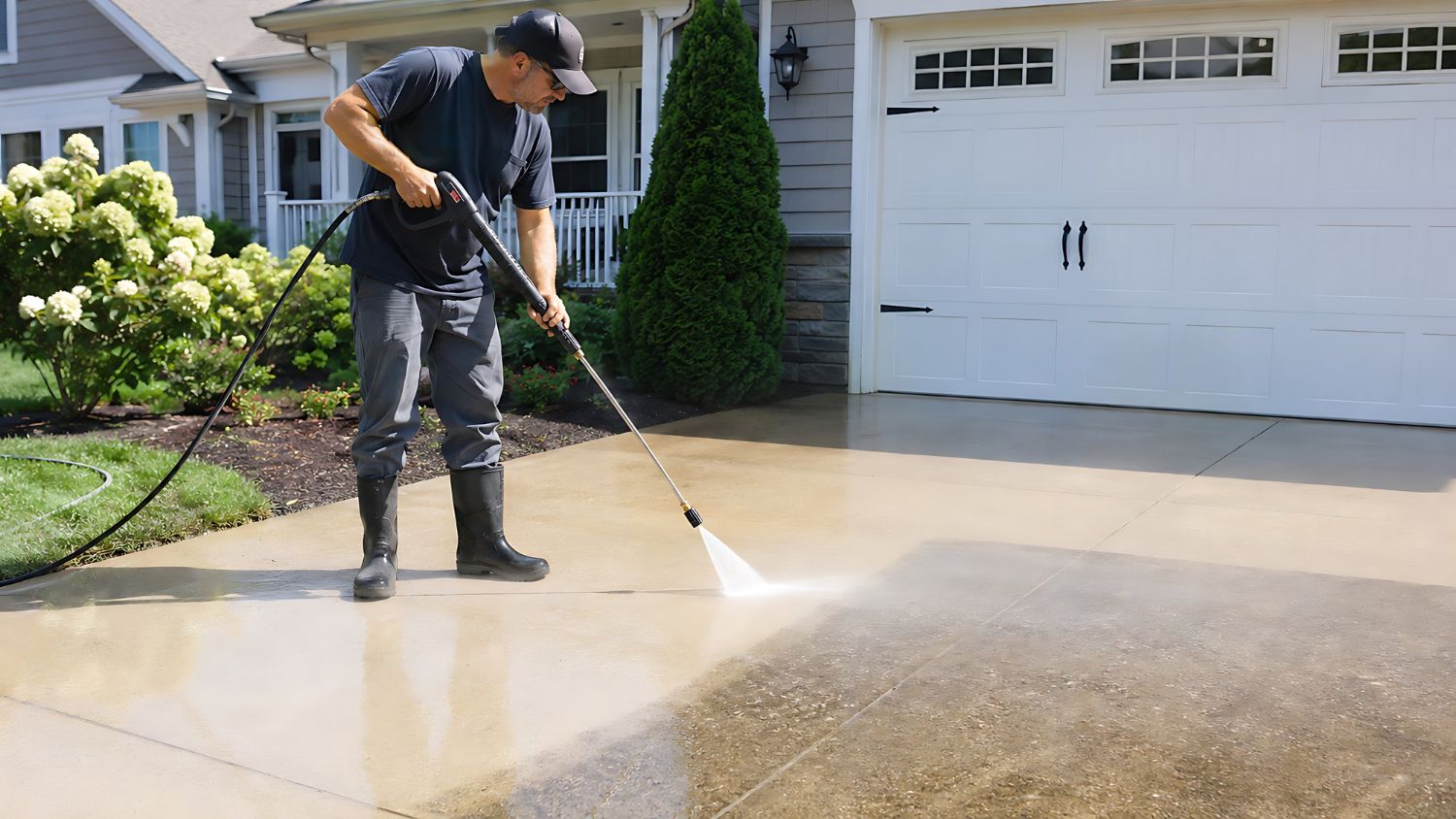
In the Hudson Valley, we see heavy storms, quick snowmelt, and clay soils that hold water. Waterproofing helps manage this “bulk water,” which can pool against your foundation and seep into your crawl space. When done correctly, it can reduce standing water, protect wood and concrete, and limit flooding during big weather events.
But there are limits. Waterproofing focuses on liquid water, not water vapor or humid air. Even with drains and a sump pump, moisture from the ground can still evaporate into the crawl space. Warm, wet outdoor air can enter through vents or cracks and condense on cool surfaces. That leftover moisture can still allow mold to grow.
Because of that, waterproofing works best when paired with other steps, such as:
- Encapsulation to stop vapor from rising off the soil
- Dehumidifiers to keep humidity in a safe range
If you have clear signs of leaks or pooling water after rains, targeted waterproofing is often a smart first move. It sets the stage for more complete moisture control.
Dehumidifiers as a Standalone and Support Option
Dehumidifiers remove water from the air. Crawl space units and whole-house units and whole-home systems pull in humid air, pass it over cold coils, and collect the condensed water. The dry air is then returned to the space. For mold prevention, most professionals aim to keep indoor relative humidity between about 30 and 50 percent.
Dehumidifiers offer some clear benefits:
- Lower upfront cost compared to large construction projects
- Simple installation in many crawl spaces or basements
- Helpful as a backup during extra-humid stretches
- Flexible, can support either encapsulated or semi-open spaces
For many Hudson Valley homes, a dehumidifier is especially useful in late summer, when outside air is heavy and sticky. It can take that damp edge off the air before it spreads through the whole house.
But a dehumidifier alone has limits. It does not stop water from entering. It does not block moisture vapor from the soil. In an unsealed, very wet crawl space, a dehumidifier can struggle to keep up and may run nonstop. It also needs:
- Regular filter cleaning or replacement
- Drain line checks or bucket emptying
- Ongoing energy use
So a dehumidifier usually works best as part of a system, not as the only mold prevention tool, especially in a space with known water issues.
Encapsulation vs. Waterproofing vs. Dehumidifiers Compared
Each approach focuses on a different part of the moisture problem:
- Encapsulation: Creates a physical barrier to soil moisture and outside air
- Waterproofing: Controls liquid water that leaks or floods into the area
- Dehumidifiers: Control humidity in the air inside the space
For many Hudson Valley homes, the right choice depends on:
- Age and style of the home
- Foundation type and crawl space access
- History of leaks, standing water, or flooding
- Existing mold or odor issues
- Comfort goals and long-term plans
A newer home with good grading but a damp, musty crawl space might benefit most from encapsulation plus a dehumidifier. An older home with obvious water intrusion may first need drainage and waterproofing, then, once dry, can be sealed and conditioned.
No matter which route you choose, one step always comes first: proper mold remediation and drying. If mold is already growing in your crawl space, it needs to be safely removed by trained professionals before you seal anything or install new equipment. Encapsulation or dehumidification over active mold can trap contamination and spread spores through the home.
How to Choose the Right Crawl Space Strategy This Fall
If you are trying to decide what to do before cooler weather and closed windows arrive, a simple way to think about it is:
- Encapsulation is worth the investment when you have chronic dampness, musty odors that reach living spaces, or allergy and comfort issues tied to indoor air.
- Targeted waterproofing is often the key move when you see clear water problems, like puddles after rain, water lines on foundation walls, or a sump pit that never seems to keep up.
- A dehumidifier alone can be a short-term or support step when the crawl space is mostly dry, but humidity still runs high during certain seasons.
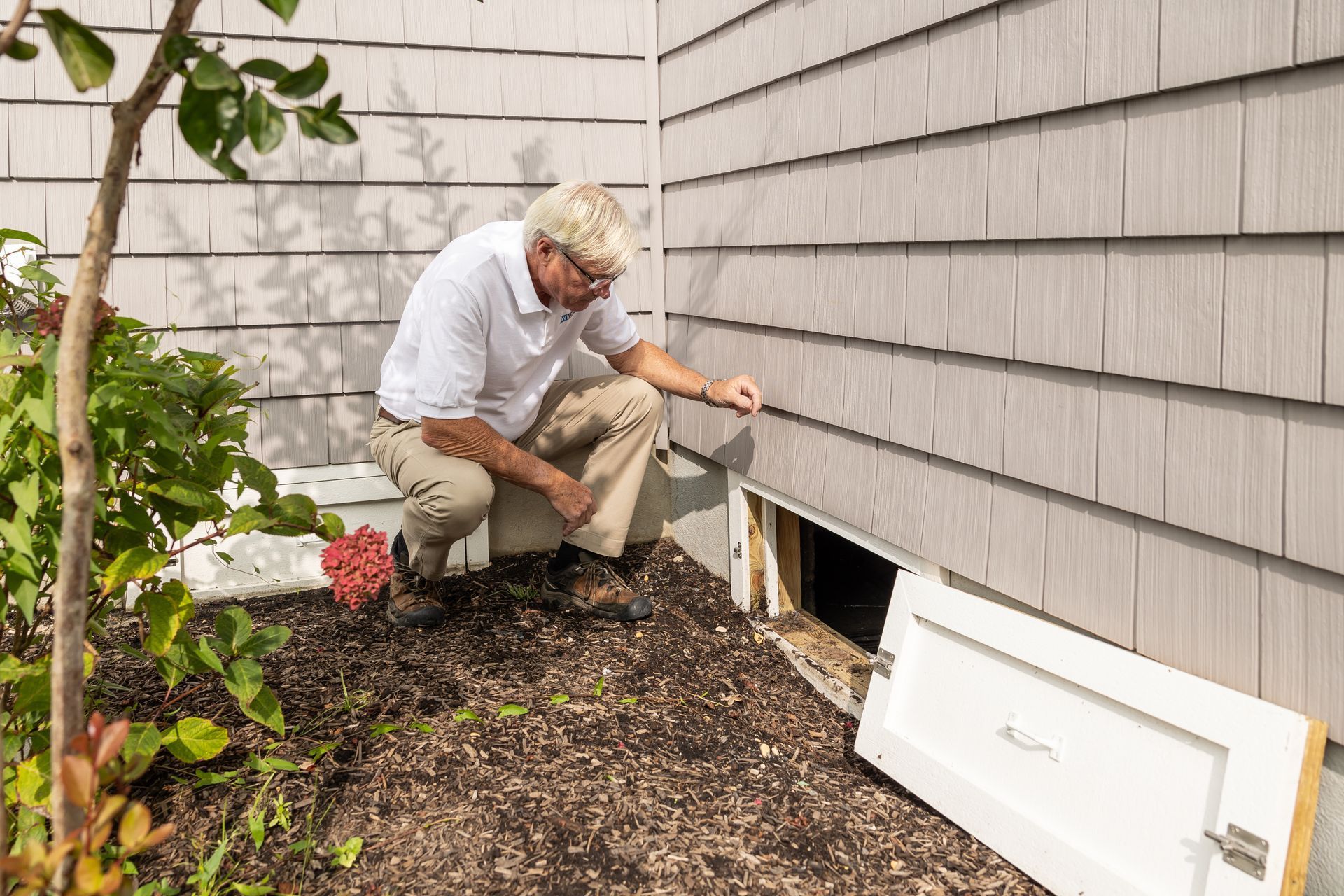
Because every home in the Hudson Valley is a little different, the best place to start is with a professional crawl space inspection. A local team that understands our weather, soil, and housing styles can look for current mold growth, signs of structural stress, and patterns of moisture and humidity.
At Regional Mold in Poughkeepsie, we help homeowners across the Hudson Valley sort out when encapsulation, waterproofing, dehumidification, or a mix of all three will give the most dependable long-term mold prevention. A careful plan can turn your crawl space from a hidden problem into a dry, clean part of a healthier home.
Protect Your Home With Professional Encapsulation Solutions
If you are seeing signs of moisture or mold, now is the right time to act before the damage spreads. Our team at Regional Mold can assess your crawl space or basement and recommend targeted
encapsulation and repair options that fit your home and budget. We will walk you through every step so you know exactly what to expect and how your home will be protected. Ready to get started or have questions about your specific situation? Simply
contact us and we will respond promptly.