When Crawl Space Encapsulation Makes Sense in Hudson Valley Homes
Stop Wasting Energy Through a Damp Crawl Space
A wet, musty crawl space is not just an ugly corner of the house you never visit. In the Hudson Valley, it can quietly drain energy, hurt comfort, and cause mold and odor problems that reach every room above it. When the space under your home is open to outside air, your heating and cooling system has to work harder all year.
Our local weather makes this worse. We see frequent rain, humid summers, and freeze-thaw cycles that keep moisture moving through soil and foundations. An old-school, vented crawl space works like an open window under your living room. Damp air comes in, cools or warms your floors, and brings in mold spores and pests.
Crawl space encapsulation turns that open, damp area into a cleaner, controlled space. When paired with proper crawl space waterproofing and the right HVAC or dehumidifier setup, it can help improve comfort, protect your structure, and lower energy waste over time.
When Crawl Space Encapsulation Really Makes Sense
Not every house needs full encapsulation, but many Hudson Valley homes are strong candidates. Here are common signs that your crawl space is causing trouble:
- Musty smells on the first floor, especially after rain or in humid weather
- Cupping, buckling, or soft spots in hardwood or laminate floors
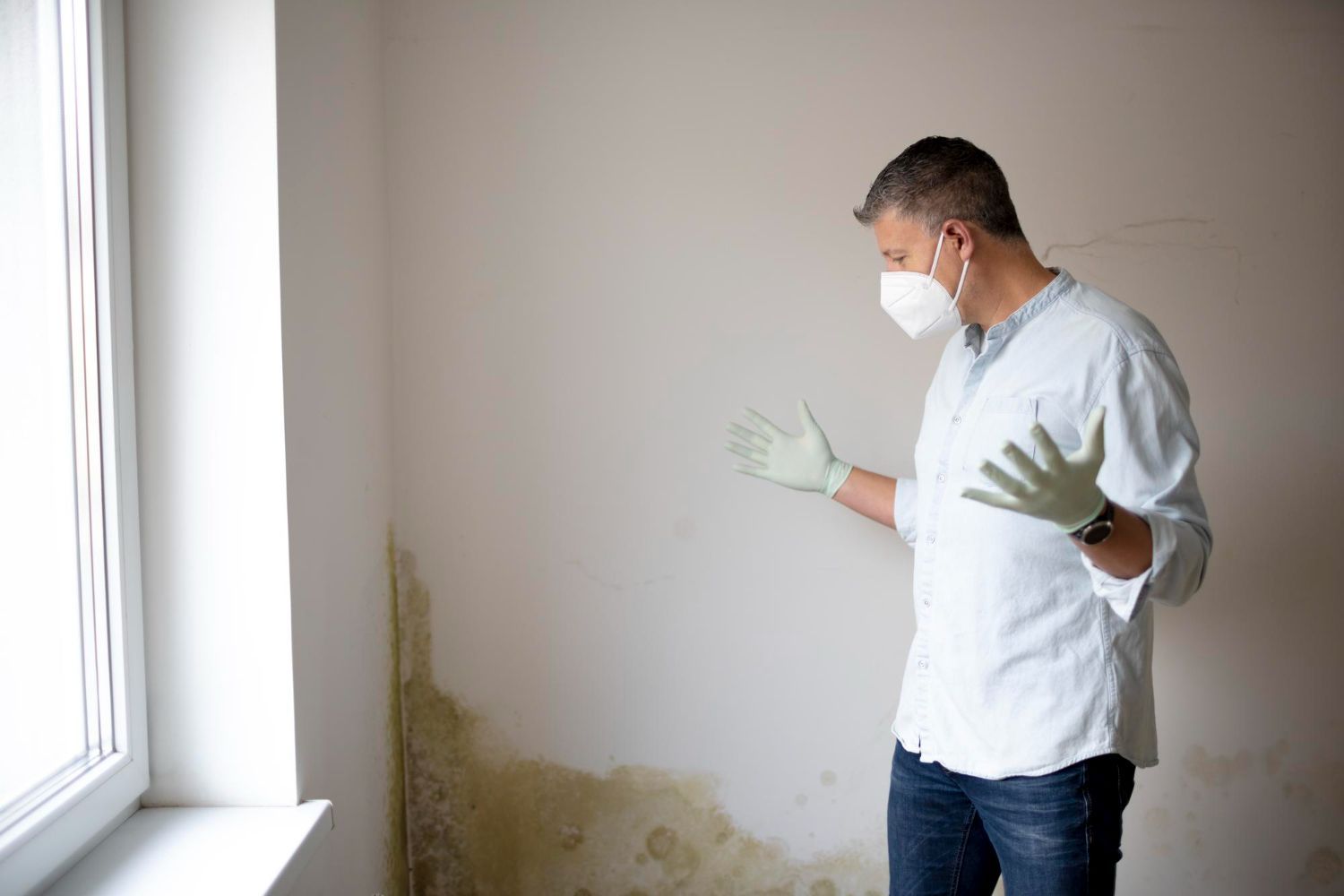
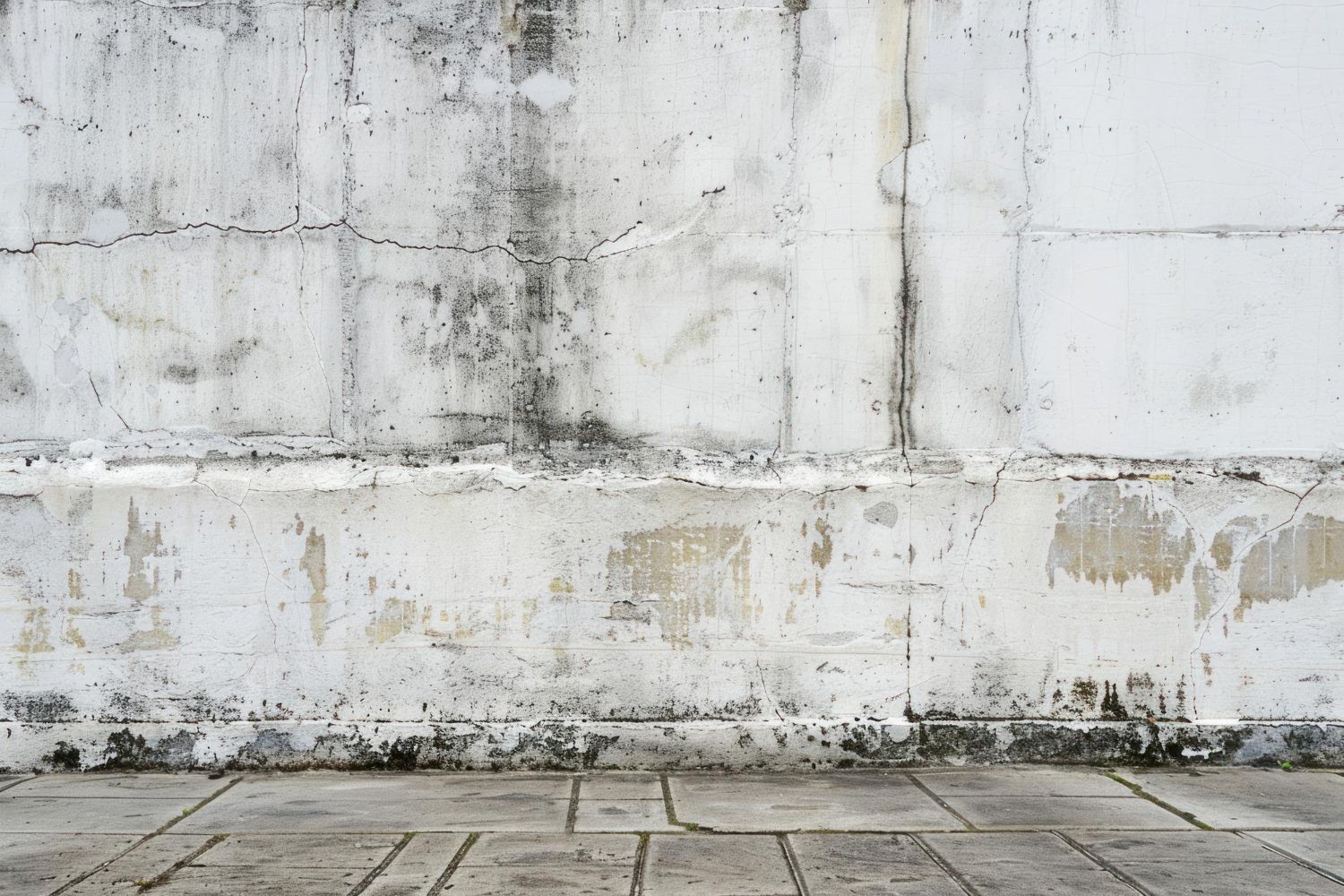
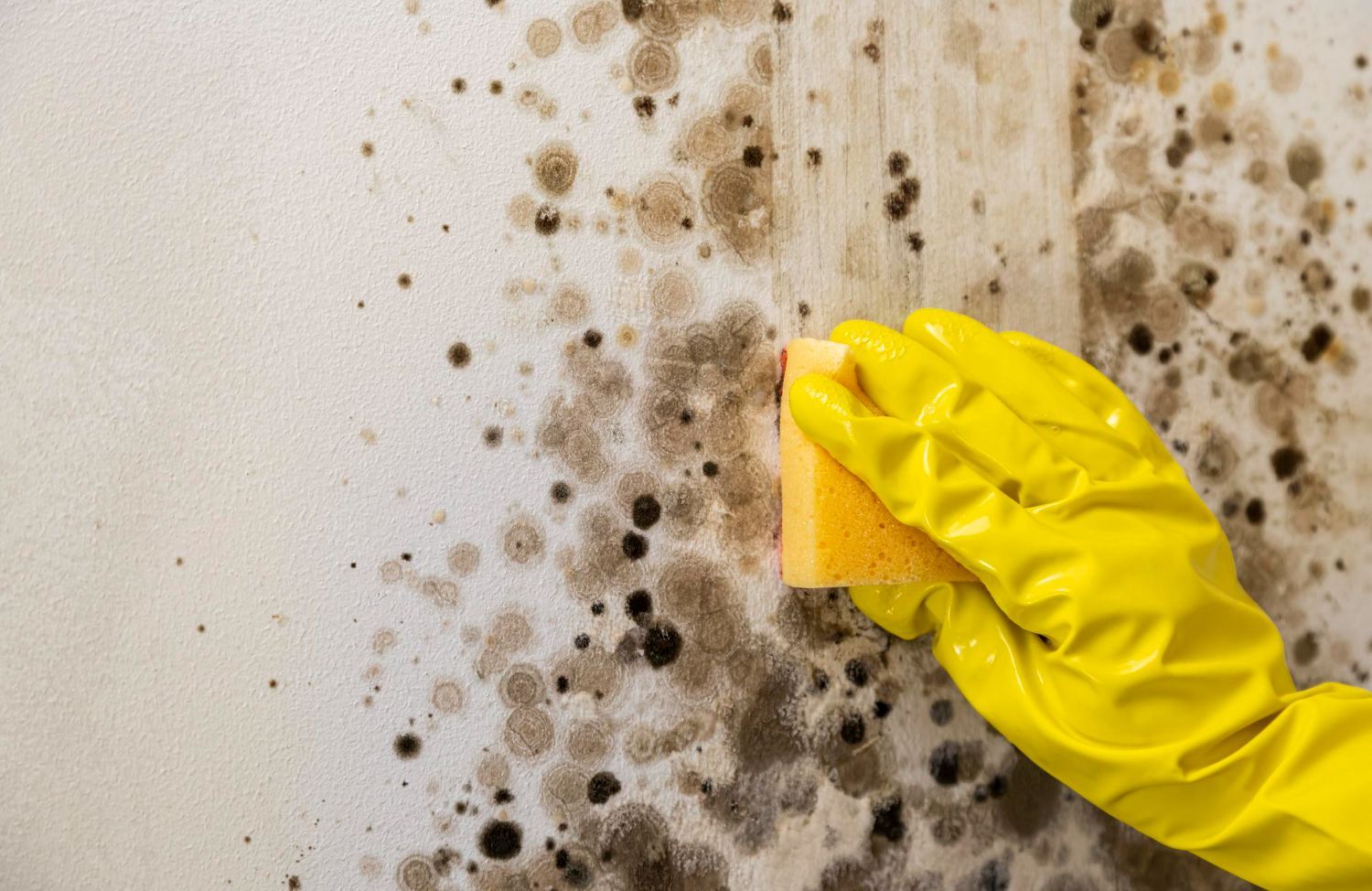
- Visible mold on joists, subfloor, or insulation
- Rust on metal ducts, pipes, or support posts
- Regular visits from spiders, insects, or small animals under the house
Local weather can push borderline problems into serious ones. Spring snowmelt and heavy spring rains can soak crawl spaces that already have weak drainage. Summer humidity often keeps surfaces damp for long periods, which is perfect for mold growth. Occasional flooding near streams and low areas can turn an unprotected crawl space into a wet, musty mess.
Encapsulation might not be the right first step if:
- There is regular standing water that has not been managed
- There is significant structural damage, sagging, or shifting supports
- Foundation walls are cracked or failing
- Sewer or plumbing leaks are still active
In those cases, drainage, structural repairs, and mold remediation should come before sealing the space. Encapsulation should trap dry, clean air, not seal in major problems.
Cost and ROI for Hudson Valley Crawl Spaces
The cost of crawl space work can vary a lot from house to house. While we will not talk hard numbers here, it helps to understand what usually drives the project size and scope.
Common cost drivers include:
- Crawl space size, height, and how easy it is to access
- Current moisture levels, seepage, and mold conditions
- Need for drainage, sump pumps, or other crawl space waterproofing steps
- Insulation upgrades on walls, rim joists, or floors
- HVAC or dehumidifier integration and any duct adjustments
In the Hudson Valley, humidity is often highest in summer, and demand for this kind of work can be higher then, too. That can influence timing and the amount of labor needed to get a space truly dry and stable.
The return on this type of upgrade is usually found in the following:
- Lower energy waste by reducing drafts and cold floors
- Fewer moisture-related repairs to subfloors, joists, and finishes
- Less risk of future mold remediation in the same area
- Fewer pest problems linked to damp, open crawl spaces
- Added peace of mind for buyers who value a dry, clean under-floor space
Payback is not instant. Some homeowners feel comfort improvements first, like warmer floors and fewer musty smells, then see energy savings and avoided repairs over time. ROI is strongest when encapsulation is combined with solid waterproofing, air sealing, and correct insulation instead of treating it as a quick cover-up.
Getting Crawl Space Waterproofing and Encapsulation Right
The order of work is critical. If the ground and walls are still leaking, no plastic layer will fix the core issue. We always recommend a clear sequence so problems are dealt with in the right order.
Step one is handling liquid water:
- Check grading so water flows away from the foundation
- Improve gutters and downspouts so they move water away from the house
- Add French drains or interior drains if needed
- Install or upgrade sump pumps when water intrusion is frequent
Once liquid water is under control, then you can look at airtight encapsulation. That usually includes:
A durable, thick vapor barrier across the ground and up the walls- Careful sealing at seams, piers, and around columns
- Closing and sealing exterior vents and gaps
- Insulating the crawl space walls or rim joists, depending on the design
Local knowledge matters a lot. Around Poughkeepsie and the wider Hudson Valley, we see clay-heavy and rocky soils, older stone or block foundations, and homes near the river with higher water tables. Each of those calls for slightly different waterproofing choices.
Many failed jobs we see come from shortcuts such as:
- Thin, contractor-grade plastic that rips easily
- Loose seams that are not taped or sealed
- Skipping crack repair in foundation walls
- Not running the vapor barrier up the walls high enough
These mistakes can allow hidden moisture to stay trapped where you cannot see it, even while the space looks neat on the surface.
Smart HVAC and Dehumidifier Integration Below the Home
Once a crawl space is encapsulated and insulated, it becomes a semi-conditioned or conditioned area. The air there needs to be managed, not ignored. Without humidity control, even a sealed crawl space can grow damp over time.
There are two main ways to handle the air:
- Tying the crawl space into the existing HVAC system
- Installing a dedicated crawl space dehumidifier
Connecting to existing HVAC can help share conditioned air with the crawl space. This can work well when the system has enough capacity and there is a clear return air path. However, it must be done carefully so it does not create pressure problems or affect how the system serves the rest of the home.
A dedicated dehumidifier is often a strong choice in humid areas. It can be sized for the crawl space volume, run on its own controls, and drain water away through a proper condensate line. When installed correctly, it keeps relative humidity in the safer range below 60 percent.
Any change that affects airflow, pressure, or combustion appliances must respect building science basics and follow New York code and manufacturer rules. This is another place where professional planning is key.
Avoiding the Most Common Retrofit Pitfalls
When we are called to correct failed encapsulation attempts, we tend to see the same patterns over and over. Most of them come from treating encapsulation like a quick cover instead of a full system.
Typical mistakes include:
- Encapsulating over active leaks or standing water
- Skipping mold remediation and leaving mold-contaminated wood or insulation in place
- Not sealing vents and rim joists, so outdoor air still flows in
- Ignoring missing or poor insulation, which leaves floors cold
There are also safety and access issues. Some projects block important plumbing shutoffs, electrical panels, or cleanouts. Others leave old, damaged insulation, suspect materials, or debris buried under new plastic.
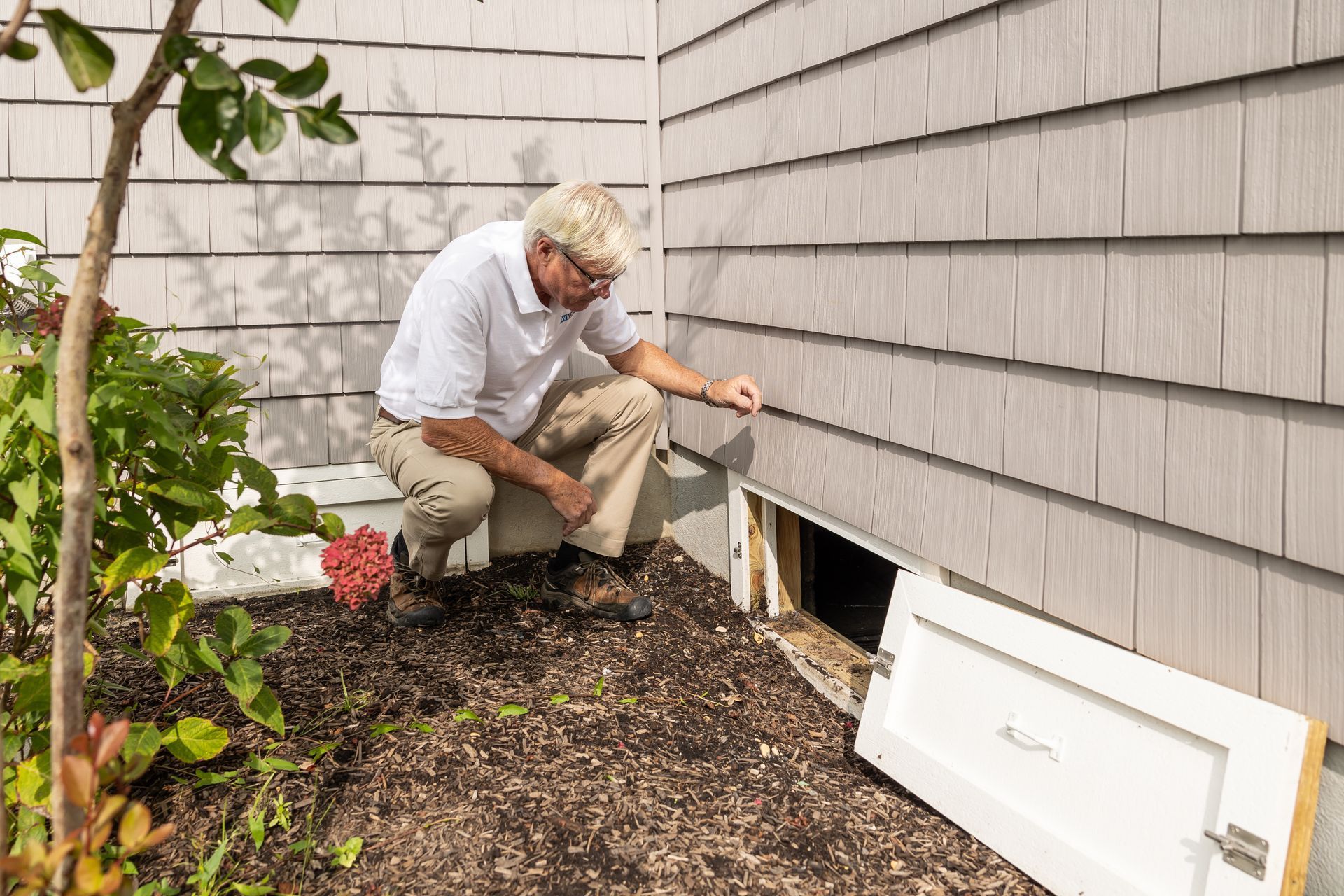
A thorough professional evaluation before any crawl space waterproofing or encapsulation project can uncover:
- Existing mold colonies and wood rot
- Pest damage or droppings that need to be addressed
- Weak or undersized support posts and beams
- Hidden cracks, gaps, or leaks in walls and floors
By solving these problems first, you avoid having to tear out fresh work for repairs later.
Take Control of Your Crawl Space Before Next Winter
The space below your home should not be a mystery. With our Hudson Valley climate, ignoring a damp, vented crawl space usually means higher energy use, more moisture risk, and comfort problems that never quite go away. Planning an inspection in late summer or early fall helps you get ahead of cold weather and heavy heating use.
A smart path forward is to start with a full crawl space assessment, including moisture readings, structural checks, and a look at your current insulation and HVAC setup. From there, you can review options for crawl space waterproofing, mold remediation if needed, and encapsulation with humidity control. As a local property damage restoration company in Poughkeepsie, we see how all these pieces fit together, and we focus on long-term results that work with your home and your climate.
Protect Your Home With Professional Crawl Space Waterproofing Today
If you are seeing signs of moisture, odors, or mold, now is the time to address the problem with expert
crawl space waterproofing. At Regional Mold, we carefully assess your crawl space and surrounding structure so we can recommend the right, long-lasting solution for your home. Reach out today and we will walk you through your options and provide a clear, no-pressure estimate. Have questions or are you ready to schedule an inspection? Just
contact us to get started.