Storm Damage Restoration for Hudson Valley Basements Explained
Safeguard Your Basement Before the Next Hudson Valley Storm
Storm damage restoration in the Hudson Valley starts long before the rain hits. Heavy summer storms can drop a lot of water in a short time, soaking the ground and pushing water right toward your foundation. When that happens, a dry basement can turn into a flooded mess in only a few hours.
Storm damage restoration for basements usually includes:
- Removing standing water
- Drying and dehumidifying the space
- Cleaning and sanitizing surfaces
- Repairing damaged materials
- Preventing mold growth from taking hold
Our team at Regional Mold is based in the Hudson Valley, so we see how older stone foundations, high water tables, and common basement layouts in and around Poughkeepsie react to these storms. In this article, we will walk through how storm damage happens, what to do in the first day after a basement flood, what a professional restoration visit looks like, and how to get your basement ready before the next round of storms.
How Storms Damage Hudson Valley Basements
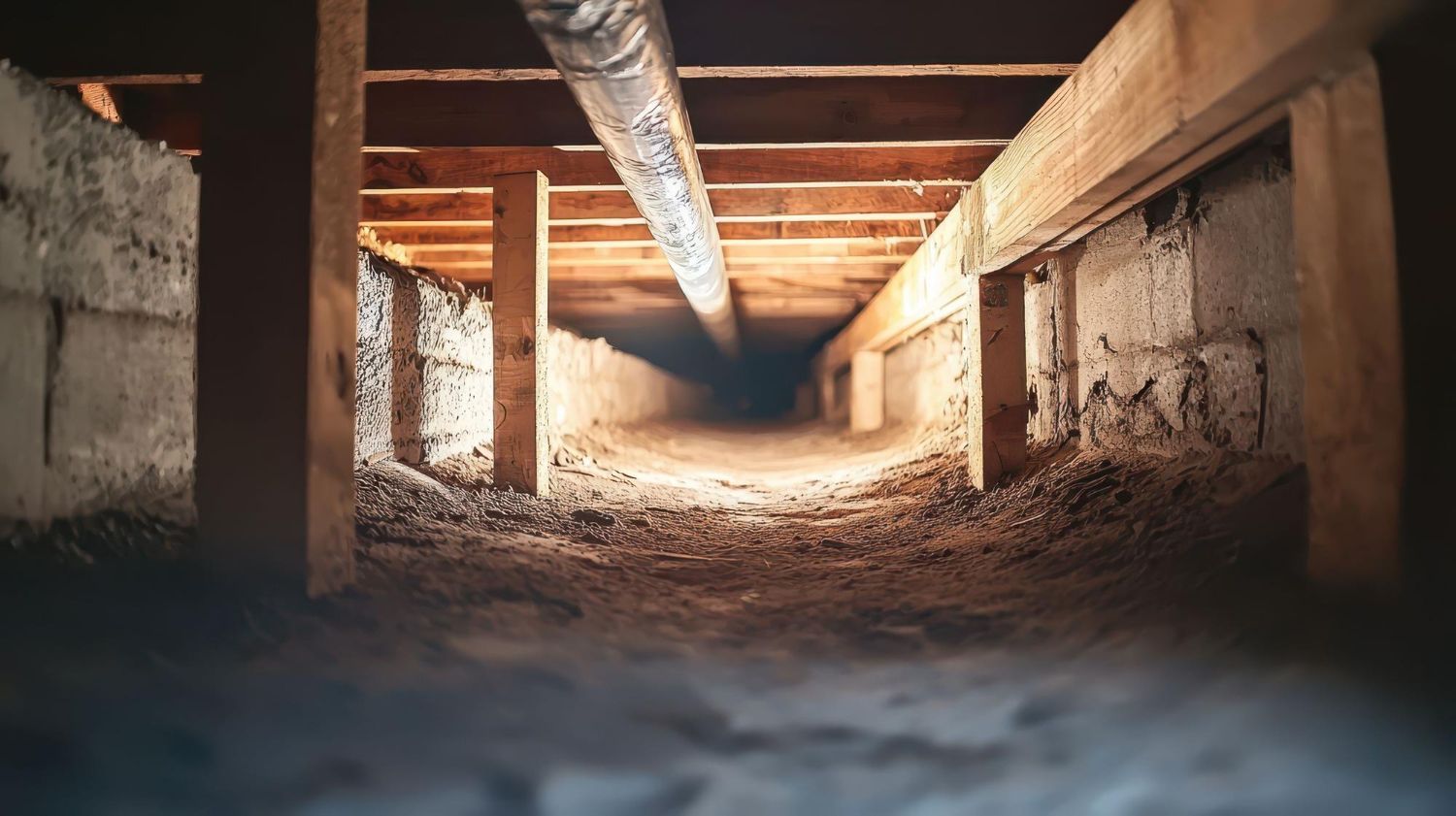
Late summer in our area often brings fast, intense storms. Thunderstorms and remnants of tropical systems can drop a lot of rain at once. Gutters and drains may not keep up, and water starts looking for the lowest point around your home, which is usually the basement.
Water commonly enters basements in a few ways:
- Cracks in foundation walls or floors
- Hydrostatic pressure pushing groundwater through porous concrete
- Sump pumps that fail or lose power
- Clogged gutters and downspouts that spill water against the foundation
- Window wells that fill with water and leak inside
Homeowners usually first notice obvious problems: puddles or standing water, soaked carpets, peeling or warped paneling, and drywall that feels soft or crumbly. You might also see damaged insulation and belongings sitting in damp boxes or on the floor. A musty odor often appears soon after the water.
The hidden damage is often worse. Water can weaken framing, damage electrical outlets or wiring, and get trapped behind walls and under flooring. That trapped moisture is what often leads to long-term mold growth if it is not handled quickly and professionally.
First 24 Hours After a Basement Flood
The first day after a storm flood is all about safety and quick action. Even shallow water can be dangerous if it touches live electrical sources or sharp debris.
Start with safety steps:
- If safe, shut off power to the affected basement area
- Avoid walking through standing water that may be in contact with outlets or appliances
- Wear rubber boots, gloves, and a mask before entering the space
Once you are safe, there are a few things you can do while you wait for professional help. Try to stop or limit incoming water if possible, for example by adjusting downspouts outdoors. Move salvageable items to a dry, higher level. If weather allows, open windows to improve airflow. Take photos and short videos of damage before anything is thrown out so you have records for insurance.
There are also things you should not do:
- Do not use a household vacuum or shop vac that is not rated for wet use
- Do not rip out drywall, insulation, or flooring without a proper moisture check
- Do not assume something is dry just because it feels dry on the surface
That first 24 to 48 hour window is when fast storm damage restoration can make the biggest difference. The sooner water is removed and drying starts, the lower the chance of serious structural problems and mold growth.
Inside the Professional Storm Damage Restoration Process
When our team responds to storm damage, we begin with a detailed on-site assessment. We check where the water is coming from, how far it traveled, and what types of materials are affected. We also determine the water category, such as relatively clean water from a leak or more contaminated water that may have come from outside flooding.
The next steps usually include:
- Pumping out standing water with commercial extractors
- Removing unsalvageable materials like soaked carpet padding and heavily damaged drywall
- Setting up professional dehumidifiers and air movers for structural drying
- Using meters to monitor moisture in walls, flooring, and the air
Sanitation and odor control are an important part of storm damage restoration. Surfaces are cleaned and disinfected, especially if floodwater may have carried in dirt or contaminants. In some cases, antimicrobial products are applied to help keep microbial growth under control.
All of this work ties directly into mold prevention. By taking out wet materials early, drying wall cavities, and checking hidden areas, we lower the chance that mold will find the damp, dark conditions it needs to spread. If mold is already present, we can follow up with focused remediation.
Preventing Mold After Basement Storm Damage
Hudson Valley basements are prone to mold after storms because of our humid summers and cooler basement air. Building materials like wood, paper-backed drywall, and carpet can stay damp inside even when they look dry from the outside. That lingering moisture gives mold what it needs.
Early warning signs of storm-related mold include:
- Musty or earthy smells that do not go away
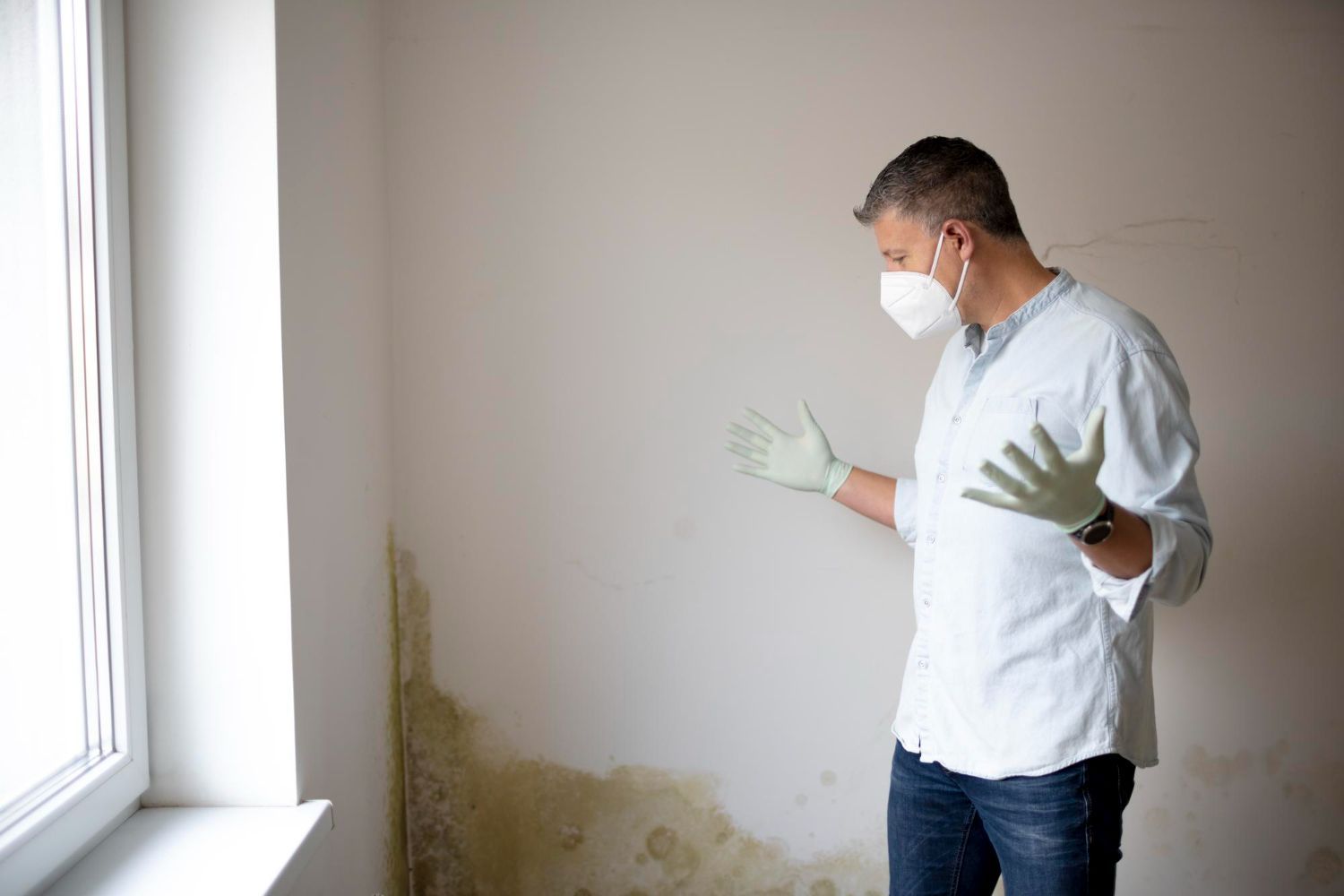
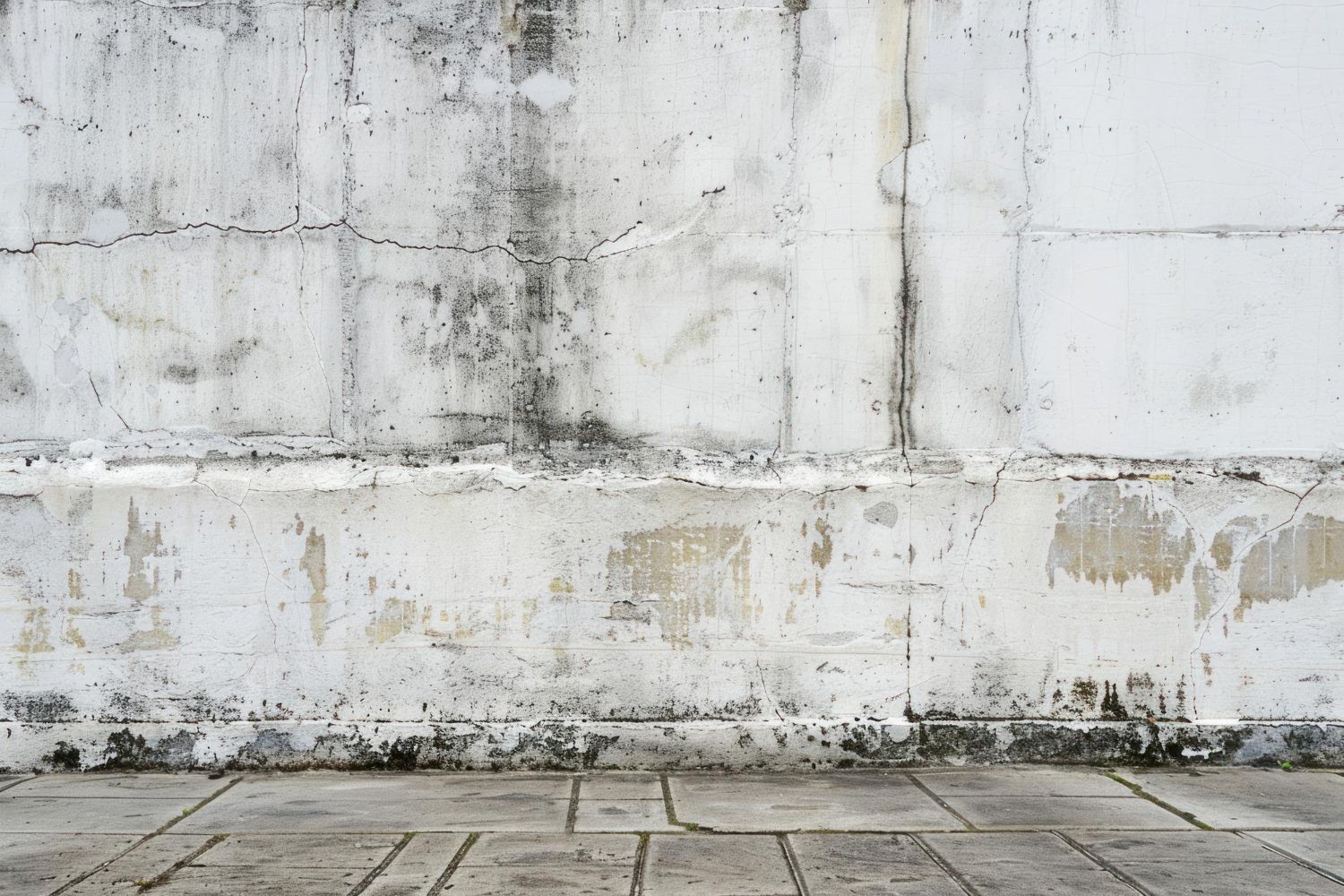
- Dark, green, or white spots on walls, ceilings, or floor joists
- Allergy-like symptoms that feel worse indoors
- Condensation on windows, pipes, or cold surfaces
Professional mold remediation works closely with storm damage restoration. When we find mold, we isolate the affected area to help keep spores from spreading. HEPA filtration is often used to clean the air while contaminated materials are carefully removed. Then we clean and dry remaining surfaces so mold is less likely to return.
The long-term benefits of handling mold the right way are hard to ignore. Clean, dry basements support better indoor air quality, which is especially important for children, older adults, and anyone with breathing issues. Taking care of moisture and mold problems also helps protect the value of your home or rental property.
Long-Term Basement Protection Before Fall Storms Return
Once the immediate damage is under control, it is smart to think about long-term protection. Outdoor maintenance can go a long way toward keeping storm water away from your basement walls.
Helpful exterior steps include:
- Cleaning gutters and downspouts so water can flow freely
- Extending downspouts to discharge away from the foundation
- Grading soil so it gently slopes away from the house
- Checking window wells and drains so they do not fill up in heavy rain
Indoors, some simple system upgrades can make your basement more storm-ready. Test your sump pump regularly and consider backup options. Use a dehumidifier in damp months, and seal obvious cracks that allow moisture to enter. For finished basements, think about water-resistant flooring materials rather than carpet on slab.
It also helps to have a basic flood readiness plan. Know where your main water shut-off and electrical panel are located. Keep important items stored up off the floor, on shelves or in plastic bins. Have the contact information for a trusted local storm damage restoration company easy to find so you are not scrambling when water starts coming in.
As late summer rolls into the peak of hurricane season and heavier fall rains, this kind of planning can make the next storm a lot less stressful for you and your basement.
Restore Your Property With Trusted Local Experts Today
When storms hit, you need a team that can respond quickly and handle the full scope of damage. At Regional Mold, we provide comprehensive storm damage restoration to help protect your home and prevent long-term issues. Reach out so we can assess the damage, explain your options, and get to work right away. If you are ready to schedule service or have questions, contact us today.