Musty Basement Odors in Poughkeepsie Without Visible Mold: Causes and Fixes
Stop That Musty Basement Smell Before Summer Hits
A musty basement smell is not just annoying; it is often a sign that moisture is hiding somewhere in your home. In the Hudson Valley, snowmelt, spring rain, and damp soil around foundations all push extra moisture toward basements, especially in Poughkeepsie. Even if you do not see a single spot of mold, that earthy odor can mean trouble is starting behind walls, under flooring, or in stored items.
In this guide, we walk through how to track down the source of musty odors, what testing options make sense when mold is not obvious, and how to prevent smells from returning. We will also explain when it is time to bring in local pros who understand flood damage cleanup in Poughkeepsie and know how to dry and clean a basement the right way.
Hidden Sources of Musty Odors in Poughkeepsie Basements
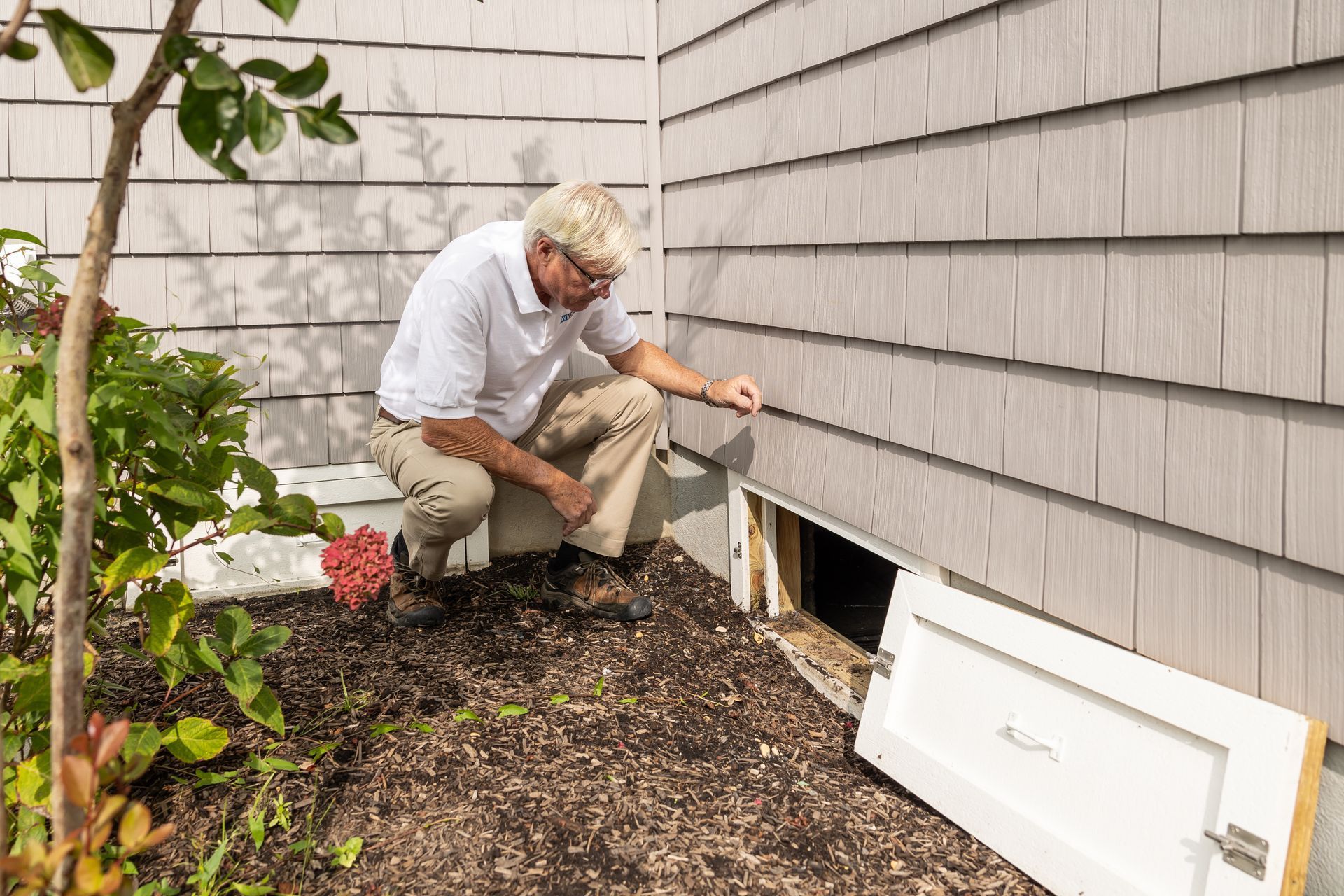
Basements in our area deal with a lot of moisture pressure from the outside and inside. Even a “dry” basement on the surface can be slowly soaking up water in places you do not normally check.
Common local moisture sources include things like high humidity during damp spring and early summer days, groundwater influenced by the Hudson River and nearby streams, minor seepage through tiny gaps in foundation walls or floors, slow drips from laundry lines, water heaters, or HVAC condensate lines, and unsealed or poorly covered sump pits that let damp air into the room.
Then there are the odor culprits that do not look like a big deal at first. These items can hold moisture for a long time and continue to feed odor and mold:
- Cardboard boxes sitting on the floor or against walls
- Old carpet, rugs, and carpet padding
- Wood shelving, paneling, or baseboards
- Fiberglass insulation in rim joists and wall cavities
- Stored items that once got wet in a leak or flooding
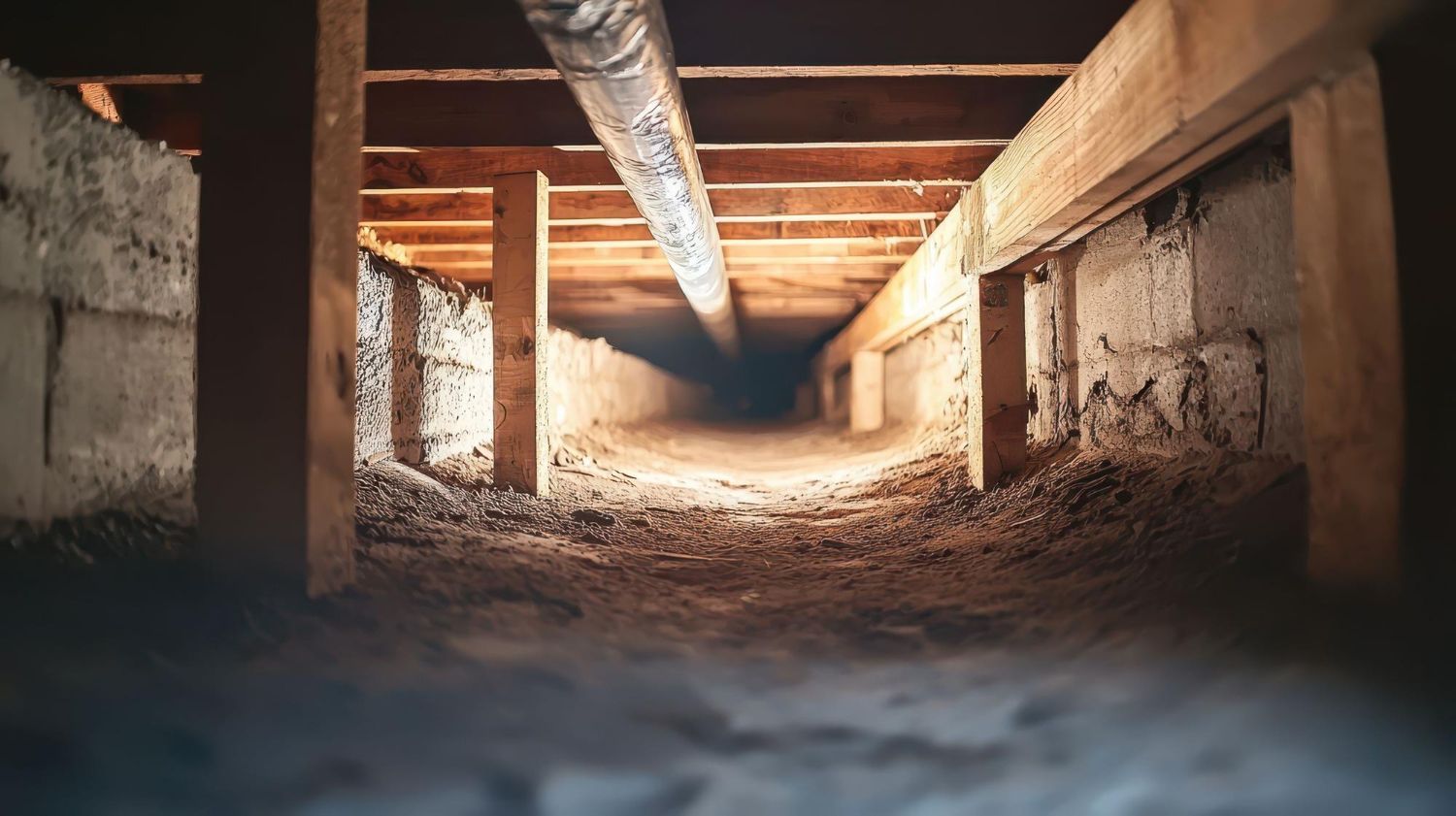
If a basement once had flooding or even a “small” water event and the cleanup only focused on what was visible, moisture may still be trapped out of sight. Wet subfloors, wall cavities, or insulation can stay damp much longer than the surface. That trapped moisture can keep creating musty smells even when you cannot point to any visible mold.
How to Track Down Moisture When You Do Not See Mold
You do not need special tools to start a simple moisture check in your own basement. A few slow, careful walks around the space at the right times can tell you a lot. For example, it helps to check right after heavy rain or snowmelt, on very humid days when the air feels sticky, and when your HVAC system changes seasons, like turning on AC or heat.
As you walk around the basement, look for the most common visual and surface clues of moisture problems:
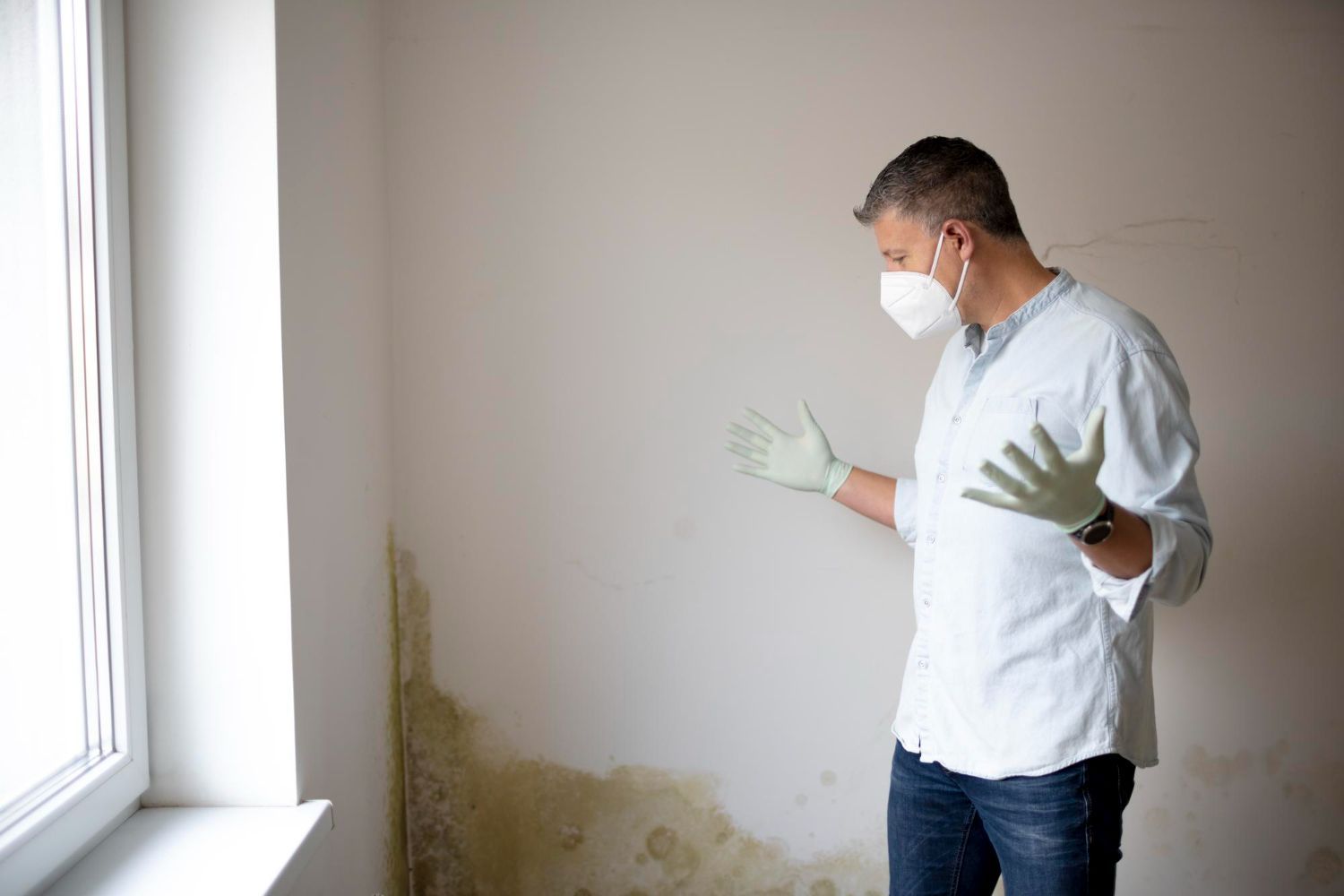
- Discoloration on concrete, drywall, or wood
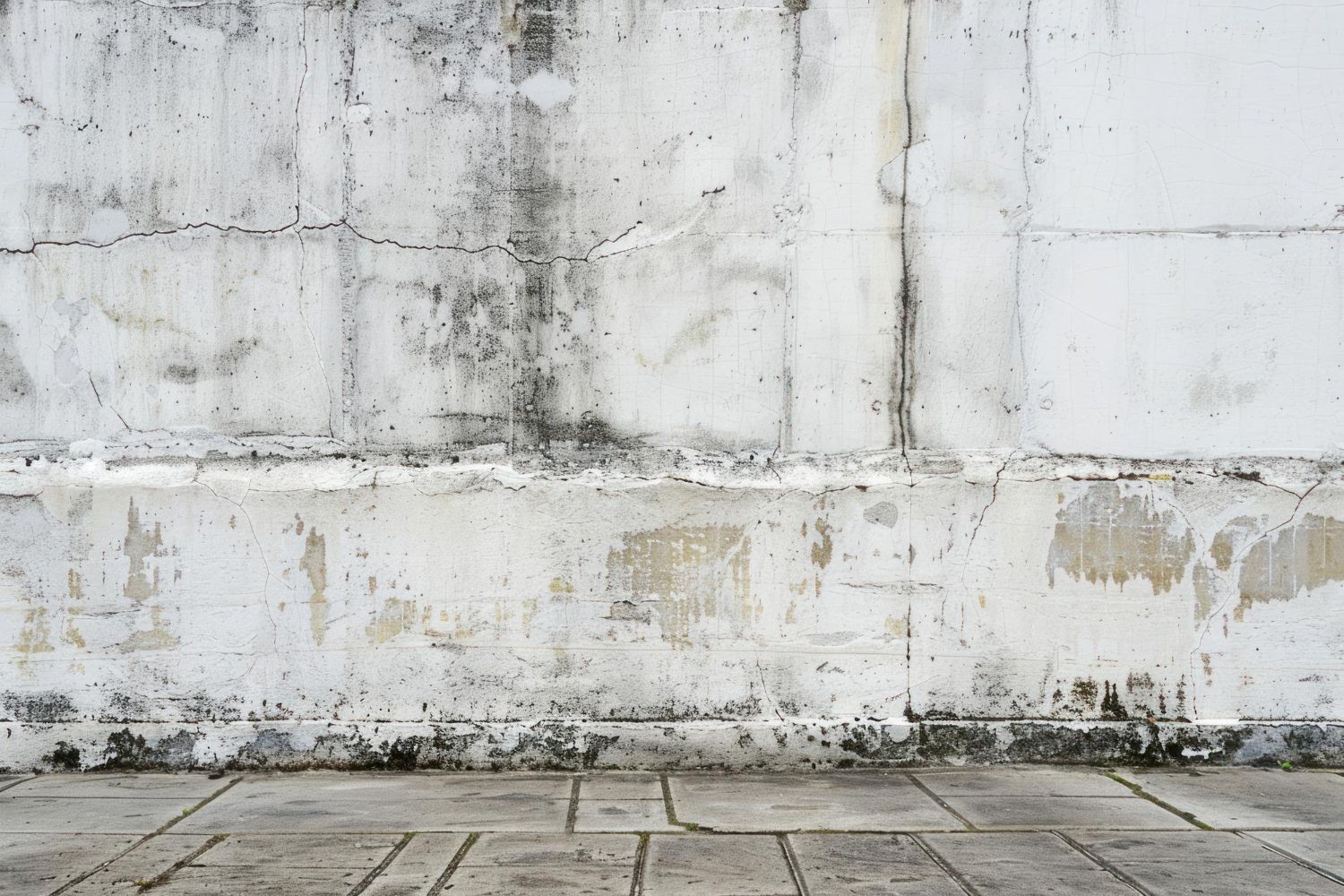
- White, powdery marks on foundation walls (efflorescence)
- Condensation on pipes, windows, or metal items
- Peeling paint, bubbling, or blistering on walls
- Rust on support posts, appliances, or storage racks
A few simple at-home checks can also help you narrow down where moisture is lingering and whether humidity is staying too high:
- Use a small hygrometer to see if humidity is staying above 60 percent
- Tape a clear plastic sheet on a concrete floor for a day to see if moisture collects underneath
- Pull boxes and furniture 4 to 6 inches away from walls and check behind them
- Sniff along baseboards, corners, under stairs, and near sump pits
If you notice a musty smell that keeps coming back, humidity that stays high, or clear signs of past water intrusion, it is time to skip DIY fixes. At that point, calling a professional mold inspector or a local restoration company for a full basement evaluation is usually the safest move.
Testing Options When Odors Are Present but Mold Is Not
Once a smell will not go away, many homeowners start looking at mold tests online. Some kits can give a piece of the puzzle, but they also have real limits.
Common at-home options include:
- Over-the-counter mold test plates that collect spores from the air
- Simple tape lifts where you press clear tape on a suspect surface
- Basic air sampling pumps sold as DIY kits
These can be tricky because:
- Mold spores are almost always present in low levels, even in normal homes
- User error can affect results and make them hard to trust
- They do not tell you where the moisture source is or how serious the problem might be
Professional mold inspection is very different. A trained inspector uses tools and methods that help find what you cannot see, such as:
- Moisture meters for walls, floors, and ceilings
- Thermal imaging to spot cool, damp areas behind surfaces
- Targeted air and surface samples, sent to a lab for analysis
- A full visual inspection that connects lab results to real building conditions
Local experience matters here. A Poughkeepsie-based team that works in basements across the Hudson Valley understands typical construction styles, common problem spots, and how seasonal weather patterns affect moisture. That context leads to more accurate testing and solutions that fit how homes in our area are built.
Safe Odor Removal and Mold Prevention Strategies
It is tempting to spray air freshener, burn a candle, or splash a little bleach on suspect areas and call it done. That might cover the smell for a day, but it does not fix the real problem. True odor removal always starts with drying and repairing the source of moisture. If mold is present, it needs to be handled with safe, controlled methods, not just wiped around.
To help prevent moisture problems before they start, focus on outside and inside steps. Around the exterior of your home, prioritize drainage and foundation protection:
- Keep gutters and downspouts clear so water moves away fast
- Make sure downspouts discharge well away from the foundation
- Regrade soil so it slopes away from your house, not toward it
- Check that sump pumps are working before long wet periods
- Seal obvious cracks in foundation walls or floors
Inside the basement, the goal is to control humidity and avoid storing materials that trap water. Practical steps include:
- Run a dehumidifier and aim for humidity around 50 percent
- Improve ventilation so damp air can move and dry out
- Avoid storing cardboard boxes directly on the floor
- Choose plastic bins and metal or plastic shelving for storage
- Plan seasonal basement cleanouts to spot issues early
These steps help, but if you already notice strong odors or signs of past water damage, professional support is usually the safest and most thorough option.
When to Call Regional Mold for Lasting Basement Relief
Some warning signs mean it is time to bring in a restoration specialist instead of trying to manage the issue alone. Common red flags include:
- A musty odor that comes back soon after cleaning or airing out
- Recurring damp spots on floors or walls
- A history of leaks or flooding in the basement or lower level
- Family members noticing more allergy or breathing issues at home
- New visible mold patches, even if they seem small
When flood damage cleanup in Poughkeepsie is handled in a complete way, it should address both air quality and the structure itself. That means not only drying what you can see, but also checking hidden spaces, removing damaged materials when needed, cleaning and treating affected areas, and clearing out items that cannot be safely saved. Services like mold inspection, mold remediation, basement cleanouts, and careful cleaning can work together to restore a basement so it smells clean and feels safe again.
We know how stressful it is to worry about what might be hiding behind your basement walls or under your floors. A thorough, local approach can give you peace of mind, protect your belongings, and help keep musty odors from returning as the weather warms and humidity rises.
Restore Your Property Safely and Quickly After a Flood
When water damage strikes, fast action helps protect your home, your health, and your budget. At Regional Mold, we provide thorough
flood damage cleanup in Poughkeepsie designed to dry, clean, and restore your space the right way. If you are seeing standing water, damp walls, or musty odors, reach out before the damage spreads. Have questions or need immediate help?
Contact us today to schedule your service.