What Crawl Space Mold Removal Means for Hudson Valley Homes
Protect Your Hudson Valley Home From Hidden Mold
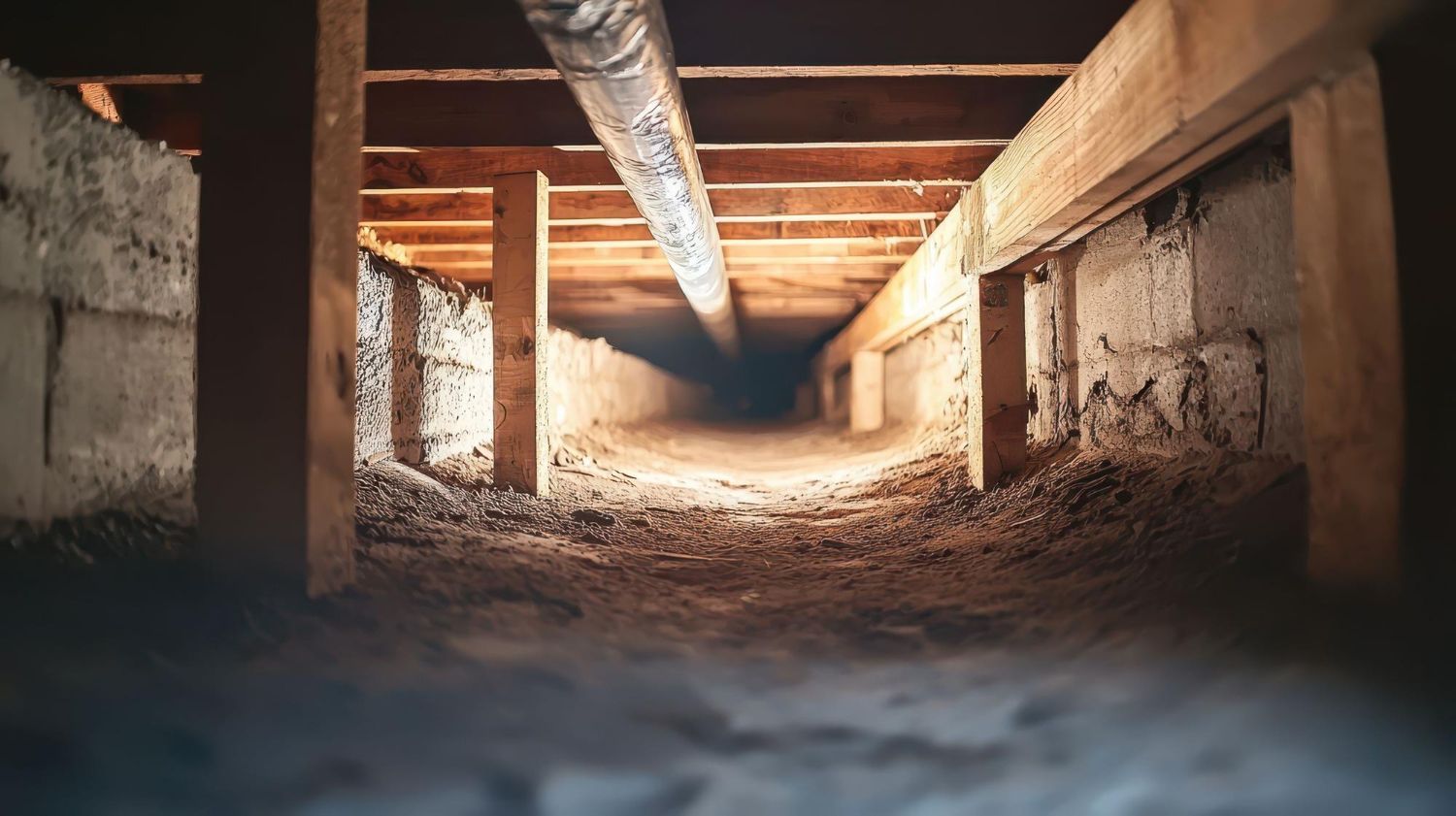
Crawl space mold removal matters more than most Hudson Valley homeowners realize. When moisture builds up under your home, it does not just stay there. It can affect your floors, your air, and even how healthy your family feels every day.
Many people first notice a problem in early spring, when the snowmelt and rain hit. A musty smell starts to creep up from the lower level. Floors feel a little softer or begin to warp. Because the crawl space is out of sight, it is easy to ignore these clues and hope they go away. They usually do not.
Our local climate makes crawl spaces risky. We have Hudson River humidity, freeze-thaw cycles, and heavy spring rains that push moisture into the soil and up under homes. That damp, dark space is exactly where mold loves to grow. Professional crawl space mold removal is about much more than tidiness. It is about protecting:
- Structural wood and flooring
- Indoor air quality
- Long-term comfort and property value
In this article, we will cover why crawl spaces here are mold hotspots, the warning signs mold is spreading indoors, what professional remediation really looks like, and how to keep the problem from coming back.
Why Crawl Spaces Are Mold Hotspots in the Hudson Valley
Crawl spaces are naturally prone to moisture. Many have dirt floors, limited access, and older vents that do not actually dry things out. Moisture from the ground, plus damp outside air, often gets trapped under the house and has nowhere to go.
Local conditions make this worse. In the Hudson Valley, we often see:
- Spring thaw that leaves soil saturated
- Heavy rainstorms that push water against foundations
- High water tables in some areas
- Humid summer air that seeps through vents and cracks
Older homes are especially at risk. Common features that invite mold include:
- Aging or fallen insulation hanging from joists
- Old vent designs that let in damp air instead of drying things
- Little or no vapor barrier on the crawl space floor
- Unsealed foundation cracks that let water and air move freely
Plumbing leaks, a disconnected dryer vent blowing moist air into the crawl, or long-term condensation on pipes can also feed mold growth. When these issues go unnoticed, mold can spread across joists, subfloors, and insulation. That is why regular inspection and prompt crawl space mold removal are so important for homes in this region.
Warning Signs Crawl Space Mold Is Spreading Indoors
Mold in the crawl space rarely stays put. Spores and odors can work their way into the living areas, often starting with subtle hints that are easy to overlook.
Some early indoor clues include:
- A persistent musty or earthy smell, especially on lower levels
- Allergies or sinus issues that seem worse at home
- A damp or clammy feeling in first-floor rooms
- More visible dust or specks around floor vents
You may also see physical changes in your home:
- Cupping or warping hardwood floors
- Soft, bouncy, or sagging spots in the floor
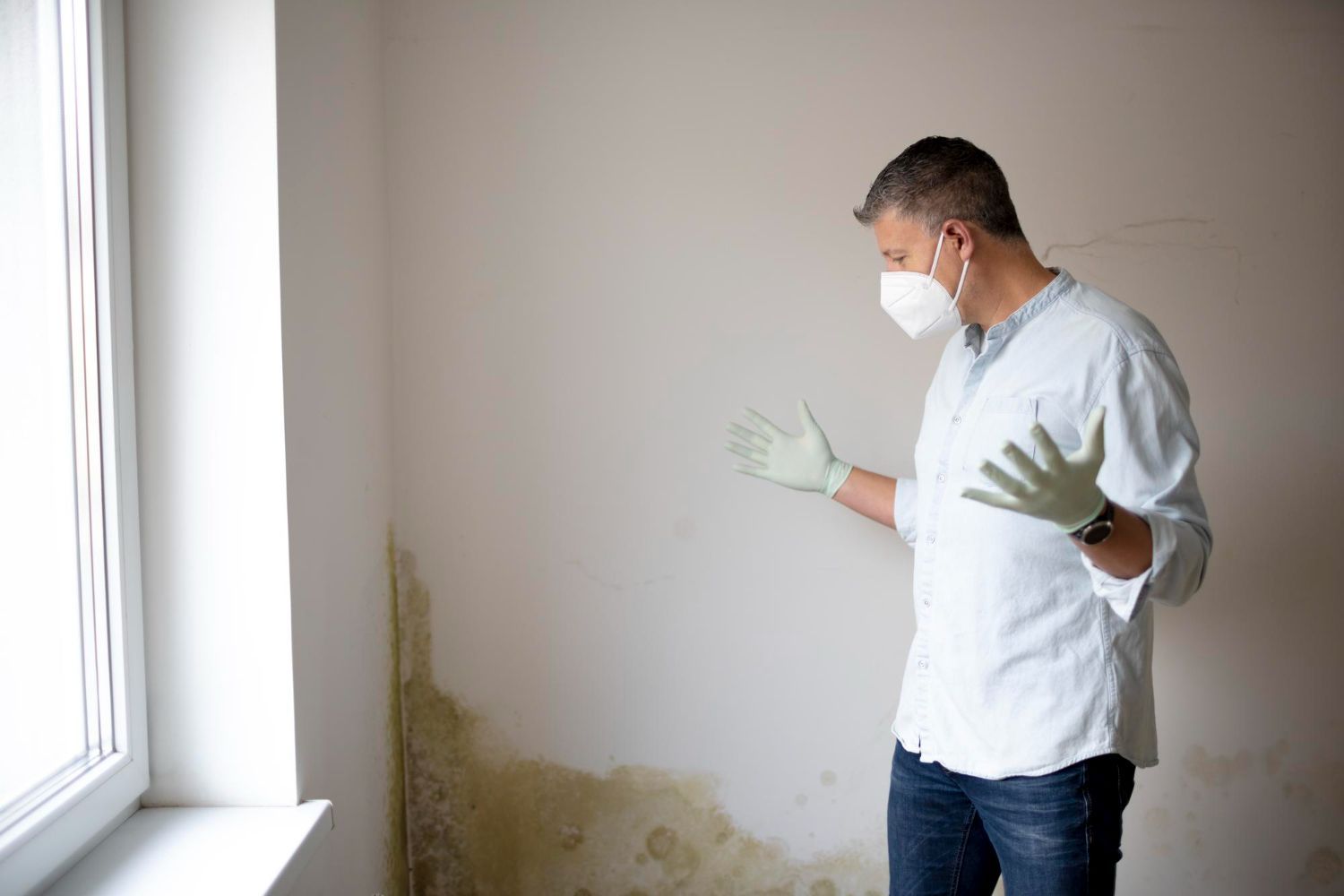
- Discoloration or staining along baseboards or lower wall sections
Many homes have HVAC equipment and ductwork running right through the crawl space. If mold grows on surfaces down there, the system can pick up spores and odors and move them into every room.
Health complaints connected to mold exposure can include coughing, sinus congestion, headaches, irritated eyes, and flare-ups for people with asthma or allergies. Some families notice patterns: symptoms feel worse in late winter and early spring when the house is closed up tight, yet moisture is rising under the home as snow and ice melt. When these signs show up together, it is time to take the crawl space seriously.
What Professional Crawl Space Mold Removal Really Involves
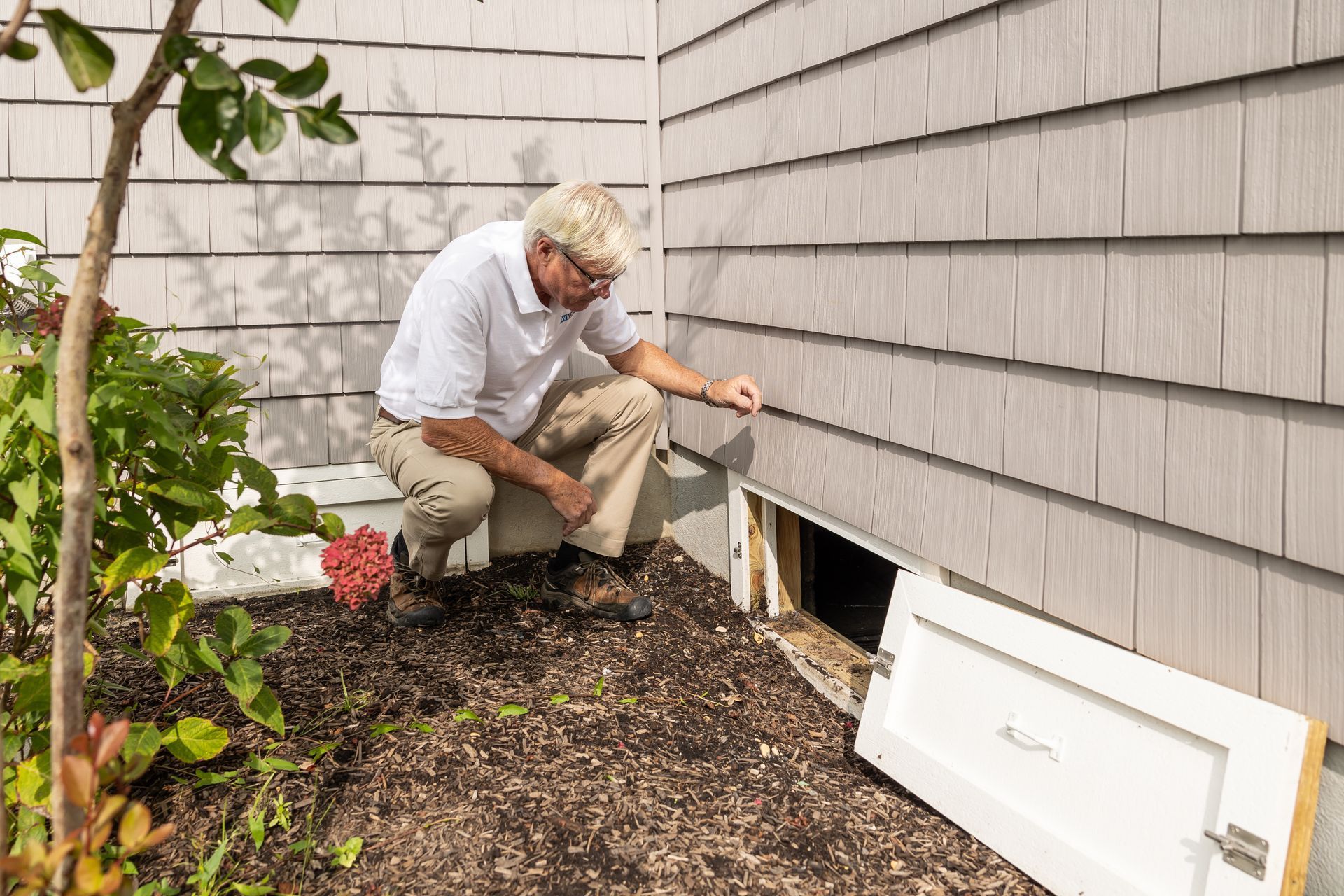
Proper crawl space mold removal is a step-by-step process. It is not just spraying something and walking away. The first and most important step is a detailed inspection.
We look at:
- Where the moisture is coming from
- How far mold has spread on joists, the subfloor, and the insulation
- Any signs of wood damage or structural concern
- Conditions that will keep feeding mold if not fixed
Safety and containment come next. The goal is to keep spores from spreading into the rest of the home. That often means:
- Sealing off access points and setting up containment barriers
- Using negative air machines to pull contaminated air out
- Wearing proper protective gear and using HEPA filtration
The removal process itself may include:
- HEPA vacuuming to capture loose spores and debris
- Physically removing wet or mold-covered insulation
- Cleaning and sometimes sanding affected wood surfaces
- Applying EPA-registered antimicrobial treatments to help kill remaining mold on structural materials
A professional team will document what they find, explain conditions in plain language, and follow accepted industry standards for crawl space mold removal. For Hudson Valley homes, that local experience matters, because we see the same patterns with soil, weather, and building styles over and over again.
Stopping Mold From Returning After Cleanup
Cleaning up mold is only half the job. If moisture problems continue, mold can come back. Long-term success depends on controlling water and humidity under your home.
Common moisture control steps include:
- Sealing foundation cracks and small openings
- Repairing plumbing leaks and dripping pipes
- Improving exterior drainage so water flows away from the house
- Making sure gutters and downspouts move water well away from the foundation
Many crawl spaces benefit from upgrades like:
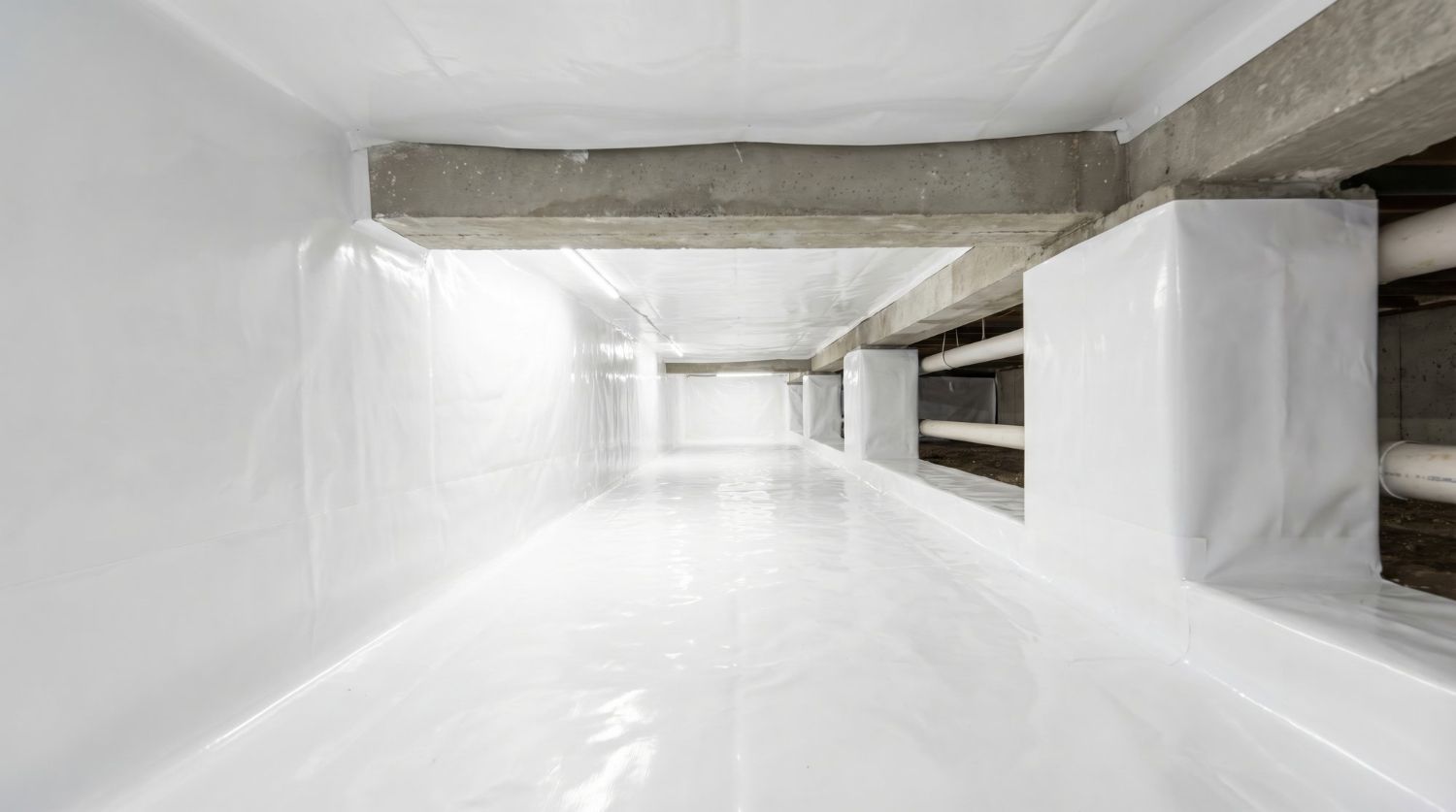
- A thicker, better-installed vapor barrier on the floor
- Full or partial encapsulation, depending on the home
- A dehumidifier sized for the crawl space and local humidity levels
Ventilation is not one-size-fits-all. In some cases, traditional vents can help. In many Hudson Valley homes with damp soil and humid air, sealed encapsulation combined with mechanical dehumidification works better. The right solution depends on how your specific home is built and how water moves around your property.
Ongoing maintenance is also important. That can mean:
- Periodic visual inspections of the crawl space
- Monitoring humidity levels
- Addressing new leaks or minor flooding right away
Investing in moisture control and follow-up checks often saves money over time. It reduces the chances of repeat crawl space mold removal projects and helps avoid major structural repairs that can develop when wood stays wet for long periods.
Take Control of Your Crawl Space Before Moisture Builds Up
Crawl spaces do not fix themselves. As seasons change and spring rains return, moisture under your home can rise quickly. A professional crawl space assessment before heavy rainfall is a smart way to spot small problems before they become big ones.
When mold issues in the crawl space are found and addressed the right way, the benefits reach every part of the home: healthier air, stronger floors, more comfortable rooms, and better long-term value. As a local property damage restoration company based in Poughkeepsie, we understand Hudson Valley housing styles, soil conditions, and seasonal weather patterns, and we see how they affect crawl spaces every day.
Taking control of what is happening under your home gives you peace of mind above it.
Protect Your Home With Professional Crawl Space Mold Removal
If you suspect mold in your crawl space, Regional Mold is ready to help you restore a safer, healthier home. Our specialists provide thorough inspections and targeted
crawl space mold removal so problems are solved at the source. Reach out today and let us answer your questions, explain your options, and schedule a convenient appointment. For fast assistance, simply
contact us.