Improve Basement Drainage and Sump Pump Performance for Hudson Valley Storms
Protect Your Basement Before Hudson Valley Spring Storms
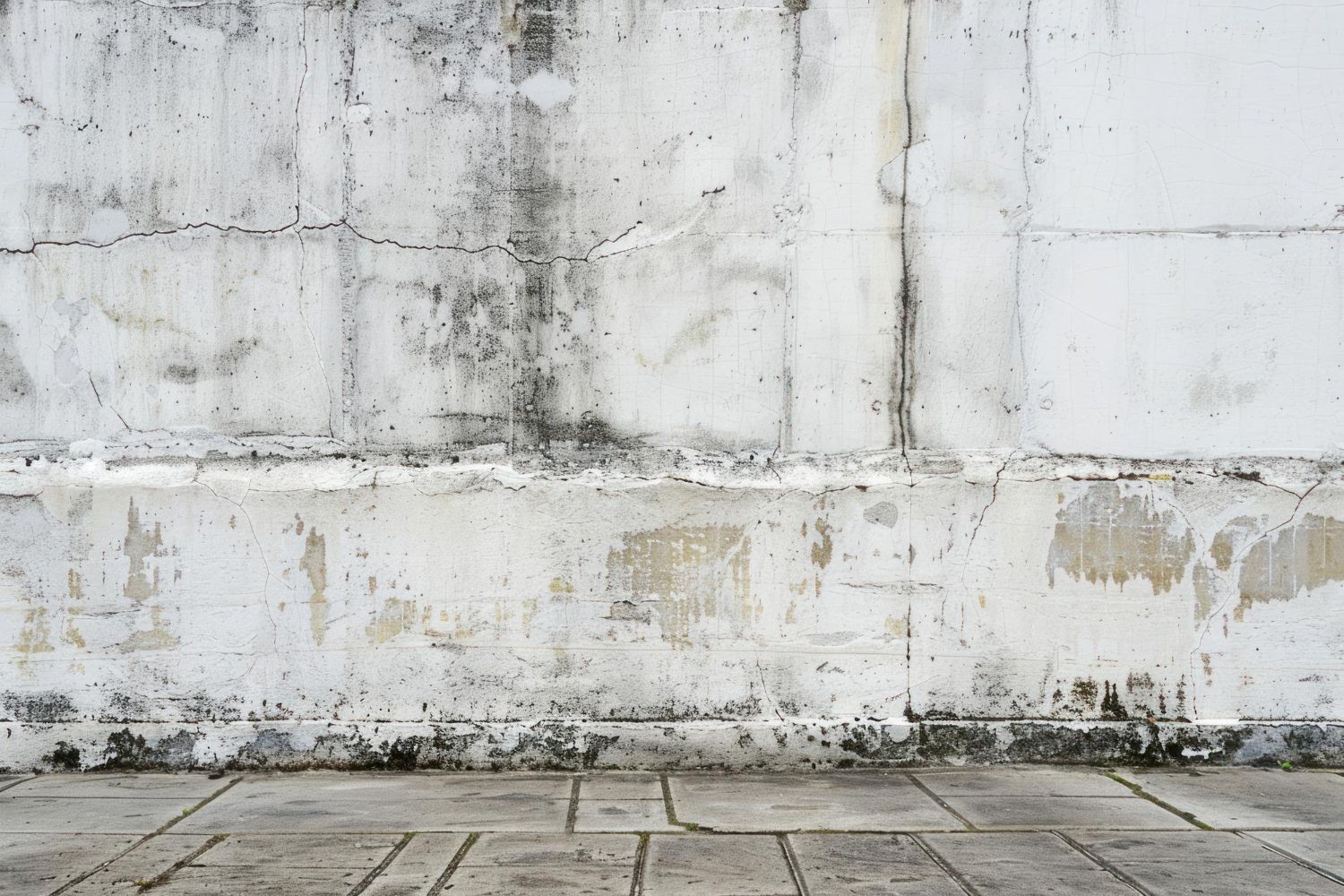
Strong spring storms and fast snowmelt can push a lot of water toward homes in the Hudson Valley. When the ground is already wet, that extra water looks for the easiest path, and many times that path is your basement. A little seepage can turn into standing water, damaged walls, and a musty smell that is hard to shake.
Good drainage and reliable sump pump performance are the first lines of defense. When they work together, they help prevent water intrusion, protect your foundation, and lower the chance that you will need emergency basement mold removal later. In this guide, we will walk through grading, gutters, French drains, and sump pump upgrades so you can build a layered defense around your home.
Shape the Ground so Water Flows Away From Your Home
Keeping water away from the foundation starts at ground level. The soil around your house should gently slope away so rain and snowmelt do not pool next to the walls. A simple rule is to aim for the ground to drop about 6 inches over the first 6 to 10 feet from your foundation.
When grading is wrong, you may notice:
- Puddles or standing water right along the foundation
- Mulch or soil washing away from flower beds near the house
- Soft, soggy spots in the yard after every big storm
- Damp basement walls or a wet floor on one side of the house
If you notice these signs, it is worth having the grading checked. Some basic fixes can help direct water away, such as:
- Adding fresh topsoil along the foundation and gently compacting it so it sheds water
- Adjusting or extending walkways and patios so they tilt away from the house
- Having a local contractor reshape problem areas so they drain safely
Working with soil near the foundation has to be done with care. Removing too much or packing it too tight can affect how water moves around your home. When in doubt, it is better to have a professional look at it rather than guess and end up with more water in the basement.
Tune up Gutters and Downspouts Before Heavy Rains Hit
Your gutters and downspouts are like the roof’s plumbing. When they are clear and tight, they move thousands of gallons of water away from your home during a storm. When they are clogged or broken, water spills over the edge and lands right where you do not want it, along the foundation.
Before spring storms, it helps to:
- Clean gutters at least twice a year, including early spring
- Check for sags, leaks, or sections pulling away from the fascia
- Repair loose hangers and seal obvious gaps in seams
- Install mesh or screen guards if leaves are a constant problem
Downspouts matter just as much as the gutters. If they drop water right at the corner of the house, that water can seep down and press against the basement walls. To keep it moving away, you can:
- Add downspout extensions so water discharges 6 to 10 feet from the house
- Use splash blocks to keep soil from washing away at the outlet
- Tie downspouts into underground pipes that lead to a safe low spot in the yard
These simple changes can reduce the amount of water soaking into the soil right against your foundation and lower the odds of leaks and future basement mold removal.
Install French Drains to Relieve Hydrostatic Pressure
Sometimes surface drainage is not enough. In parts of the Hudson Valley, the water table can rise in wet seasons and push against foundation walls from below the surface. This underground force is called hydrostatic pressure. As it builds, water finds cracks and joints in walls and floors.
A French drain is one way to let that water go somewhere else. It is usually a trench filled with gravel that contains a perforated pipe. Groundwater seeps into the gravel, enters the pipe, and then flows away from the house or into a sump pit instead of forcing its way through the concrete.
There are two common setups:
- Exterior French drains run along the outside of the foundation near the footing and move water out into the yard or another discharge point.
- Interior perimeter drains are installed inside along the basement floor edge and guide water into the sump pit, where a pump sends it away from the house.
Which one is better depends on your property, soil, and how your home was built. Either way, relieving pressure helps reduce constant dampness, peeling paint, and that stubborn musty smell in the basement. With less moisture hanging around, there is a lower chance of needing professional basement mold removal later on.
Boost Sump Pump Reliability with Smart Upgrades
A sump pump is often the last line of defense when water still reaches your basement. It sits in a pit, usually at the lowest spot, and turns on when water rises to a set level. The pump then pushes water through a discharge line to a safe spot outside.
For storms in our area, that system needs to be sized and maintained properly. It helps to check that:
- The pump turns on and off smoothly when the float rises and falls
- The pit is free of heavy sludge, debris, or small stones
- The discharge line is clear and the outlet is not buried or frozen
You can also upgrade the system to make it more reliable during big storms. Helpful add-ons include:
- A secondary backup pump in the same pit on a separate electrical circuit
- A high water alarm that lets you know if the water rises too far
- Insulation or heat tape on exposed discharge lines so they are less likely to clog with ice in colder snaps
Battery backup systems are another smart layer. These use a deep-cycle battery and a dedicated pump or controller. If the power goes out during a wind-driven storm, the battery system keeps pumping for several hours, depending on how much water comes in. This can make the difference between a dry basement and a soaking wet one.
Create a Spring Basement Protection Checklist and Know When to Call Pros
A simple seasonal checklist helps you stay ahead of water problems instead of racing behind them. Many homeowners in the Hudson Valley follow a basic routine like:
- Inspect grading for new low spots or erosion after winter
- Clean and check gutters and downspouts before spring rains
- Test the sump pump and backup systems and confirm the alarm works
- Look at the basement walls and floor for new cracks or damp areas
- Dry any minor water intrusion within 24 to 48 hours using fans and dehumidification
Even with good habits, some problems are better left to professionals. It is time to get help when you notice:
- Repeated leaks in the same area, even after small storms
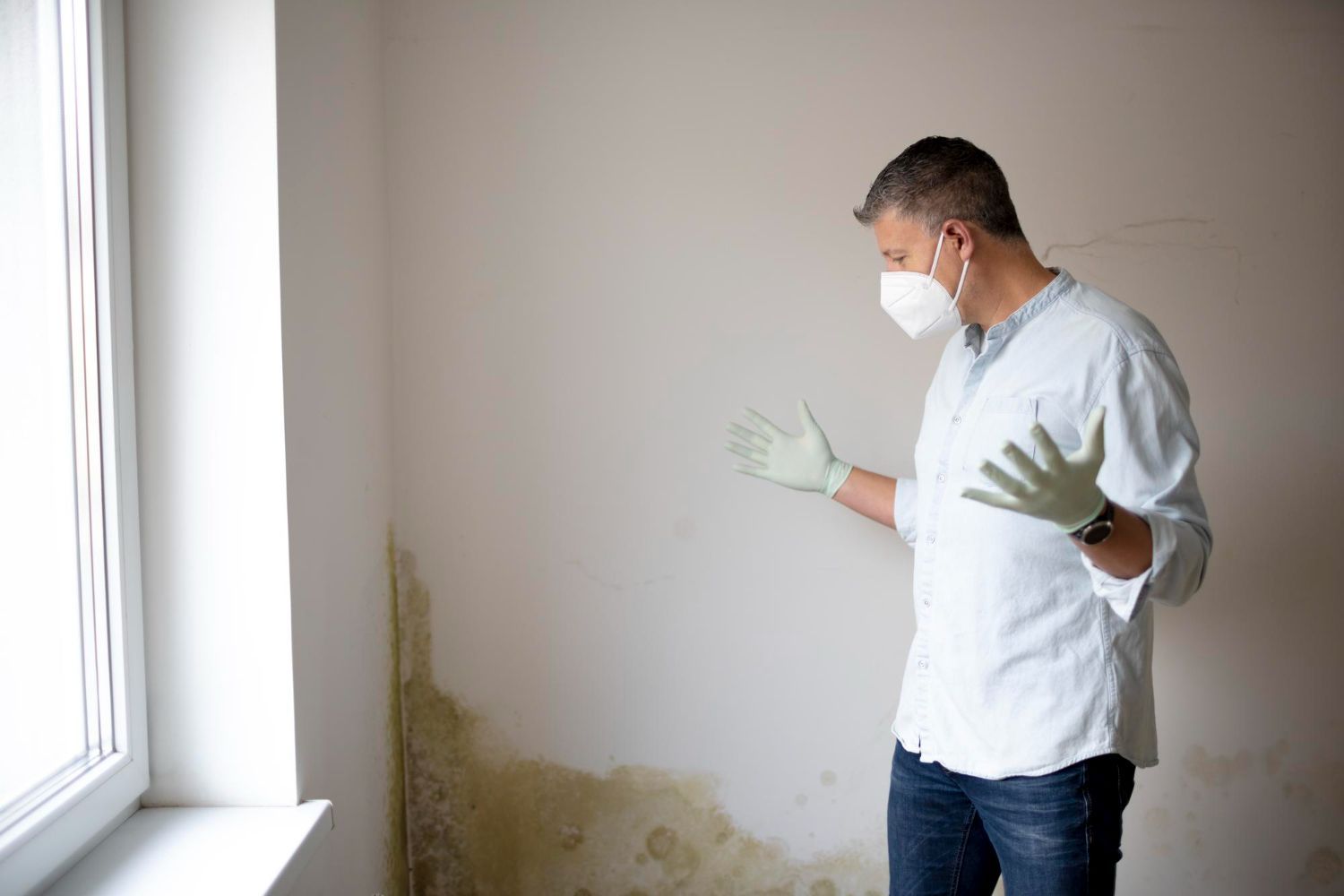
- Visible mold growth on walls, wood, or belongings
- A musty odor that does not go away, even when the basement looks dry
- Standing water that you cannot remove safely on your own
At Regional Mold in Poughkeepsie, we work with homeowners across the Hudson Valley on water damage, basement mold removal, and drainage and sump pump recommendations that match each home. A layered plan with grading, gutters, drains, and reliable pumps can give your basement a much better chance of staying dry through spring storms and beyond.
Protect Your Home With Professional Basement Mold Removal Today
If you have signs of moisture, musty odors, or visible spots on walls or floors, our team at Regional Mold is ready to help restore a safer environment in your home. Learn how our certified specialists handle every step of basement mold removal so issues are resolved at the source, not just on the surface. Reach out today and let us inspect your space, provide clear recommendations, and schedule service that fits your timeline, or contact us with any questions.