Crawl Space Waterproofing Strategies for Hudson Valley Homes
Spring rain, snowmelt, and sticky summer humidity all put pressure on crawl spaces in Hudson Valley homes. When that moisture seeps under your house, it does not stay there. It spreads into wood, insulation, and the air you breathe, and it can quietly damage your home long before you see a puddle or stain.
In this article, we will walk through why crawl spaces in our area are so moisture-prone, what can go wrong if they are ignored, and the main crawl space waterproofing strategies that help protect your home, air quality, and long-term value. We will also look at how to match the right level of protection to your specific home and risk level.
Stop Moisture Damage Before It Reaches Your Home
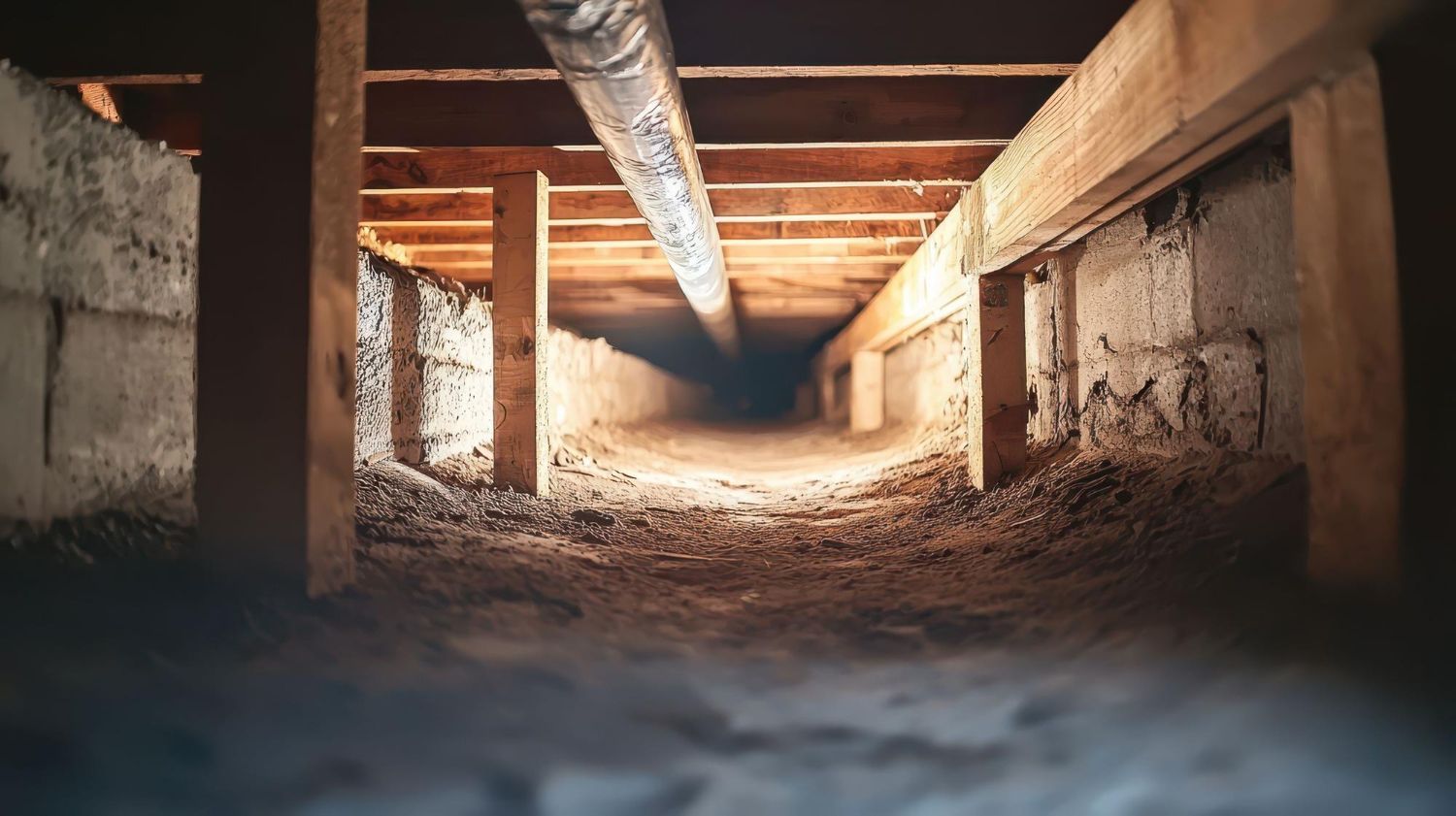
In the Hudson Valley, spring snowmelt and repeated rainstorms saturate the ground. As the weather warms up, humidity rises too. All this moisture looks for the lowest, easiest place to go, and for many homes in Poughkeepsie, Westchester, and Orange County, that means the crawl space.
When moisture collects under your home and stays there, it can lead to:
- Mold and mildew on joists, insulation, and subfloors
- Wood rot that weakens structural supports over time
- Musty odors that drift into living spaces
- More pests, like insects and rodents, drawn to damp, dark areas
- Higher-energy bills as your HVAC system fights damp, heavy air
Crawl space waterproofing is a proactive way to stop these problems before they spread. By blocking water, controlling humidity, and sealing off damp soil, we help protect your home’s structure, indoor air quality, and even its resale appeal. Taking care of moisture issues early is almost always easier than dealing with surprise repairs later on.
Why Crawl Spaces Fail in the Hudson Valley Climate
Our local climate and soil make crawl spaces especially vulnerable. A few common moisture sources we see in this region include:
- High water tables that push groundwater toward foundations
- Poor yard drainage that sends roof runoff straight to your crawl space walls
- Leaking or sweating plumbing lines dripping into the soil below
- Foundation cracks that let in rainwater and melting snow
- Humid summer air entering through open vents and condensing on cooler surfaces
Many older Hudson Valley homes have crawl spaces with bare dirt floors and open vents. That dirt floor is like a constant source of moisture, and the vents give humid outside air, cold winter air, and pests a clear path inside.
On top of that, there is the stack effect. Warm air rises in your home and escapes through the attic and upper levels. As it escapes, it pulls replacement air from below, including the crawl space. If that crawl space air is damp, musty, or moldy, it can be pulled right into your living areas, aggravating allergies and making your HVAC system work harder to keep things comfortable.
Essential Crawl Space Waterproofing Building Blocks
Good crawl space waterproofing almost always starts with managing water before it can sit and soak into your home. Some core building blocks include:
- Interior French drains along the inside of foundation walls to collect seeping water
- Sump pumps to move collected water out and away from the house
- Grading improvements outside to direct surface water downhill and away from the foundation
- Sealing foundation cracks so water cannot easily leak inside
Once bulk water is under control, the next step is separating your home from the damp soil. This is where vapor barriers and liners come in. A proper crawl space liner is:
- Thick enough to resist tearing and punctures
- Sealed at seams, piers, and walls, not just loosely laid down
- Fastened up the walls to create a continuous barrier
DIY tarps or thin plastic sheets often fail because they rip, bunch up, or leave gaps around edges. Those gaps are all moisture pathways.
It is also important to seal outside air leaks. That can include:
- Closing or blocking crawl space vents
- Sealing gaps around plumbing, wiring, and ducts
- Insulating and air sealing rim joists where the floor framing meets the foundation
By tightening up these areas, we reduce temperature swings and condensation that feed moisture problems.
Encapsulation, Dehumidification, and Mold Protection
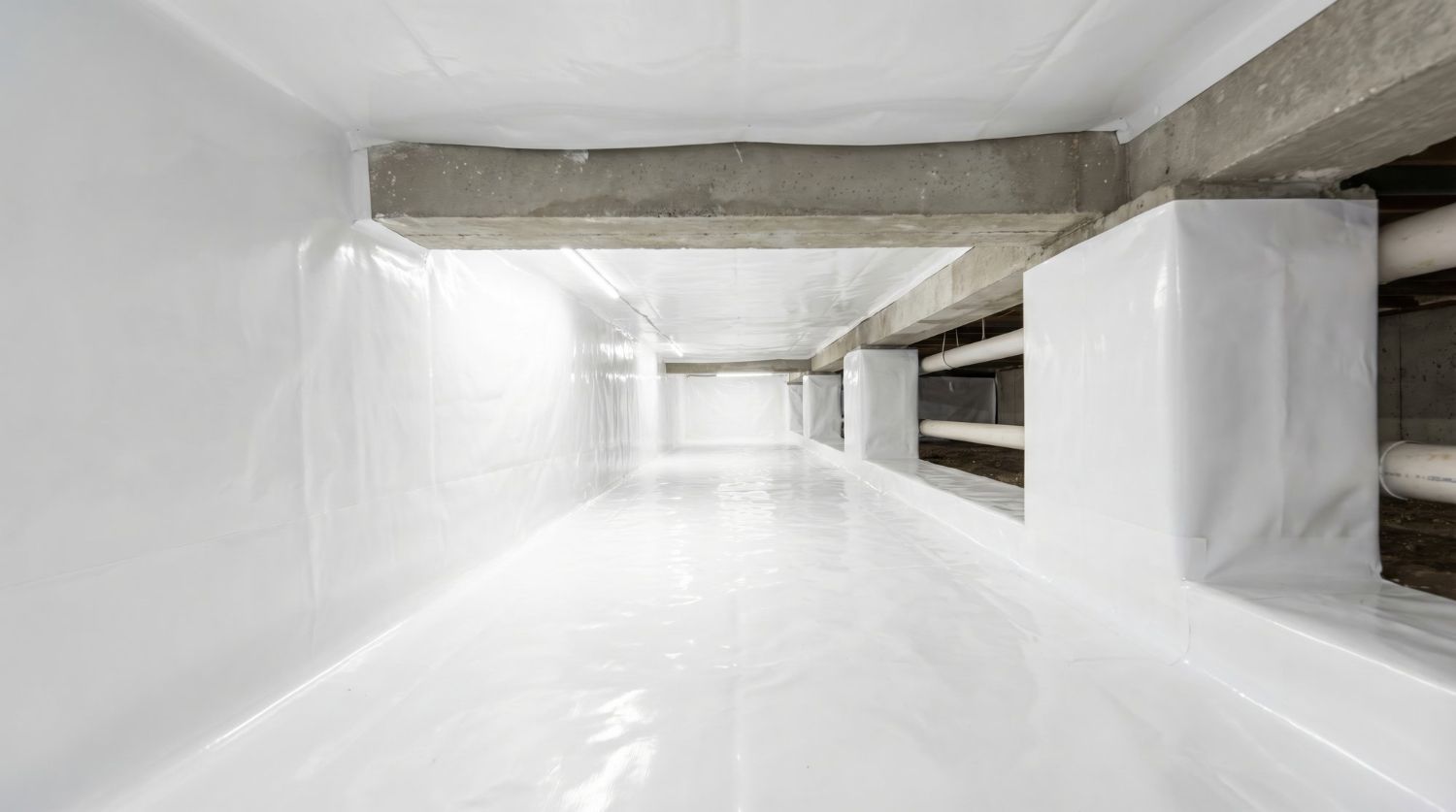
For many Hudson Valley homes, the most effective approach is full crawl space encapsulation. This means turning the crawl space into a more controlled, indoor-like environment instead of a damp outdoor pocket under your home.
An encapsulated crawl space typically includes:
- Walls and floors covered with a reinforced, sealed liner
- Perimeter walls insulated, rather than stuffing fiberglass in the floor above
- Vents closed and air leaks sealed to keep outside air out
Once the space is sealed, a dedicated dehumidifier becomes very important. Without it, moisture can still build up from the soil, small leaks, or normal household sources. A properly sized dehumidifier keeps humidity below the level that mold likes, helping protect wood, insulation, and stored items.
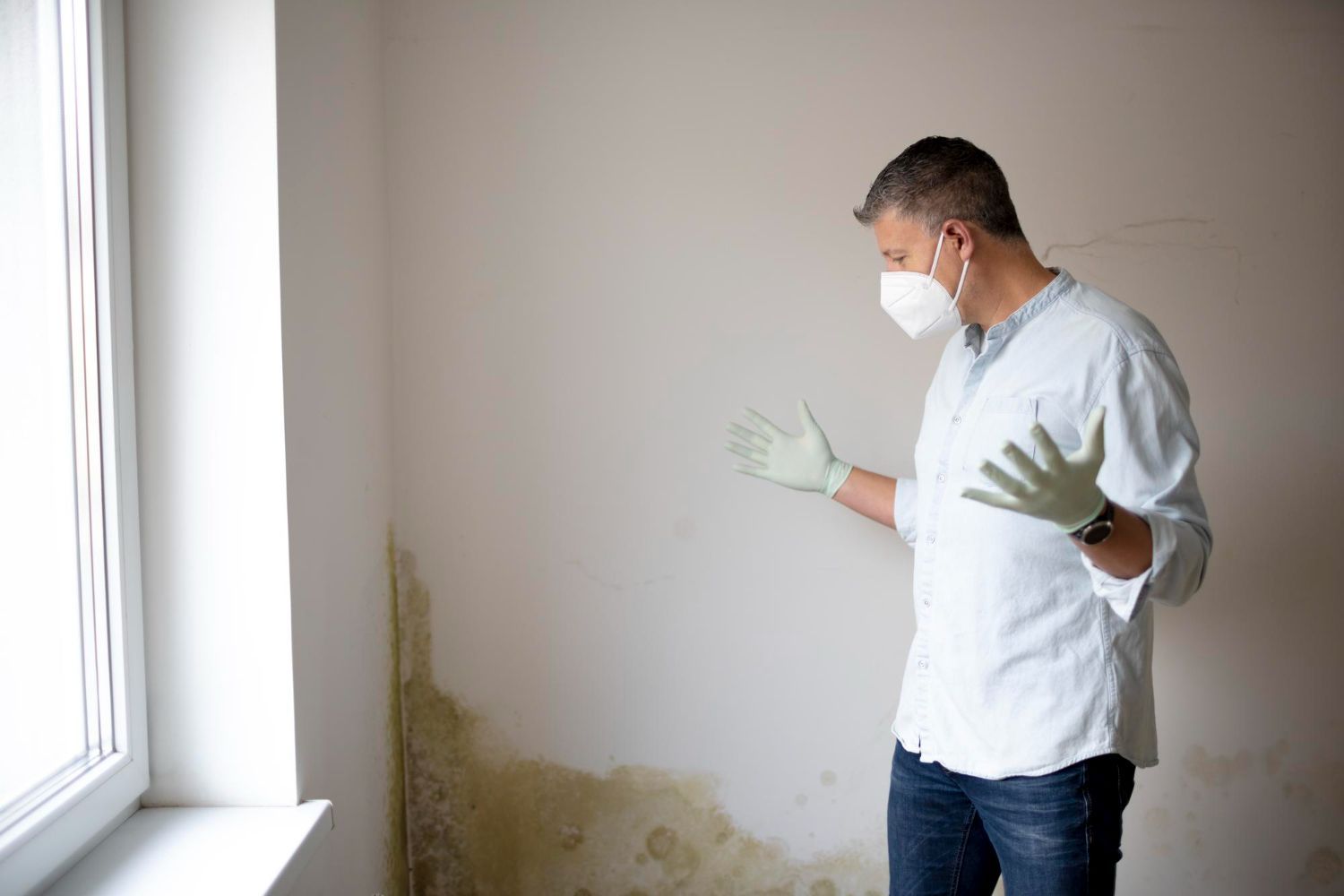
Crawl space waterproofing and encapsulation are also strong tools for mold prevention. If there is already visible growth, musty odors, or past water damage, professional help is important. A thorough mold inspection, safe removal methods, and drying equipment can address existing problems before encapsulation locks anything in. A restoration company can also check for hidden mold in subfloors and joists so you are not sealing moisture and spores into your home.
Choosing the Right Waterproofing Plan for Your Hudson Valley Home
Not every home needs the same level of crawl space work. Some houses may be fine with partial upgrades, while others are better served by a full system.
Partial solutions might include:
- A simple ground vapor barrier to cut back soil moisture
- Spot crack repairs on one wall that has minor seepage
- Basic grading work to move water away from the foundation
These can make sense for homes with low moisture risk and no history of standing water or musty odors. However, they do not address all possible entry points or air quality issues.
Comprehensive systems, which combine drainage, encapsulation, and dehumidification, are often better for homes that:
- Sit near rivers, streams, or wetlands
- Are on sloped lots where water naturally flows toward the foundation
- Have a history of flooding, heavy seepage, or persistent odors
- Show signs of mold, wood rot, or high indoor humidity
In those higher-risk situations, backup sump pumps, battery systems, and regular drainage checks can also be important parts of a long-term plan.
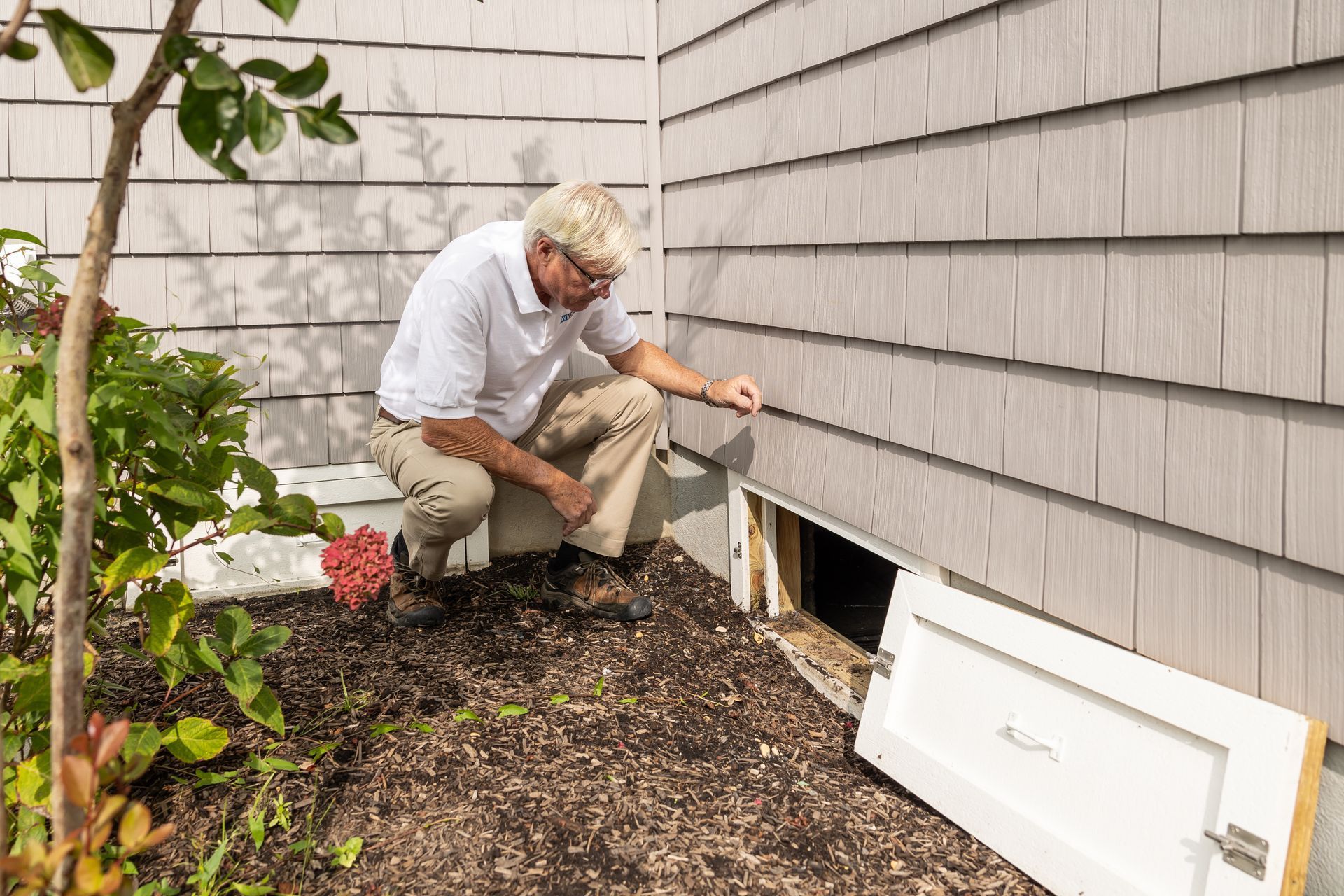
The best way to know what your home needs is with a professional crawl space assessment. That should include:
- Moisture readings in wood and air
- A visual inspection for water entry points and damage
- Mold risk evaluation and air quality concerns
- Suggestions for a tailored waterproofing and moisture control strategy
Get Your Crawl Space Spring-Ready with Local Expertise
As humidity rises and storms roll through the Hudson Valley, your crawl space is under extra stress. Catching moisture issues early, before peak summer humidity, helps you avoid emergency calls during heavy rain and gives you more options for long-term fixes instead of quick patches.
Working with local crawl space professionals means getting help from people who understand our soils, weather patterns, and common construction styles in Poughkeepsie, Westchester, and Orange County. At Regional Mold, we focus on moisture control, mold remediation, and water damage restoration that fit how homes in our area are actually built and used, so your crawl space waterproofing supports a healthier, drier home above it.
Protect Your Home With Professional Crawl Space Waterproofing
If you are noticing moisture, musty odors, or signs of mold, now is the time to address it before the damage spreads. At Regional Mold, we provide reliable
crawl space waterproofing solutions tailored to your home and budget. Our team will inspect your space, explain your options clearly, and complete the work with long-term protection in mind. Reach out today to ask questions or schedule an assessment through our
contact us page.