Drywall Mold Damage Repair in Poughkeepsie Homes Explained
Stop Drywall Mold Before It Spreads in Your Home
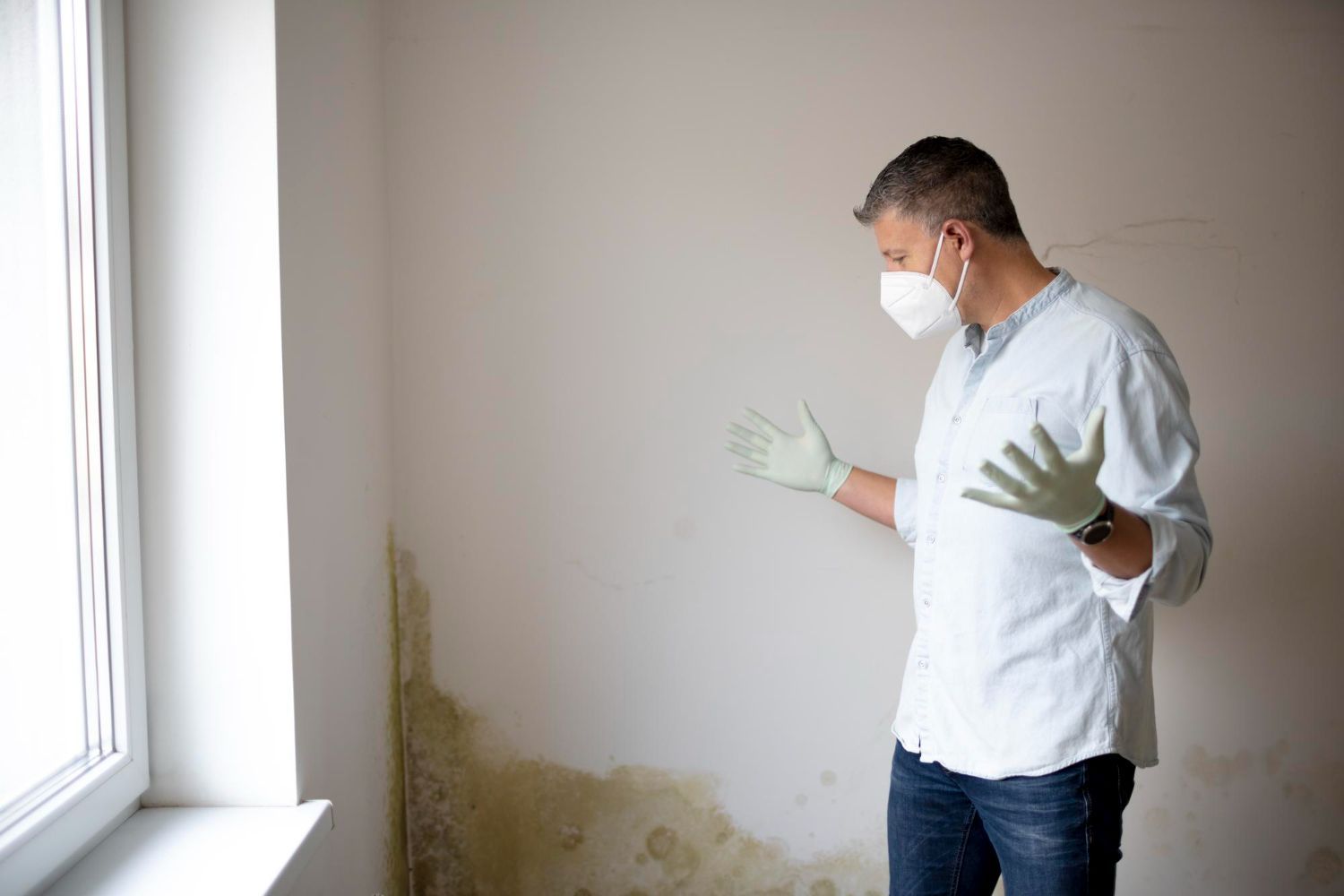
Drywall mold in a Poughkeepsie home usually starts small. A few dark spots in a basement corner after a wet winter, a stained patch near a bathroom vent, a musty smell that will not go away. Then almost before you notice, that small problem can turn into damaged walls, peeling paint, and air that does not feel healthy to breathe.
In the Hudson Valley, drywall mold is very common. Many homes are older, summers get humid, and we see heavy spring rains, snowmelt, and the occasional flooded basement. When moisture gets into drywall and stays there, mold has what it needs to grow. Ignoring it can lead to structural damage, stubborn odors, and more trouble for anyone with allergies or asthma. In this article, we explain how mold starts in drywall, how to spot it early, when repairs are possible, what professional remediation involves, and what you can do to help keep it from coming back.
How Drywall Mold Starts in Poughkeepsie Homes
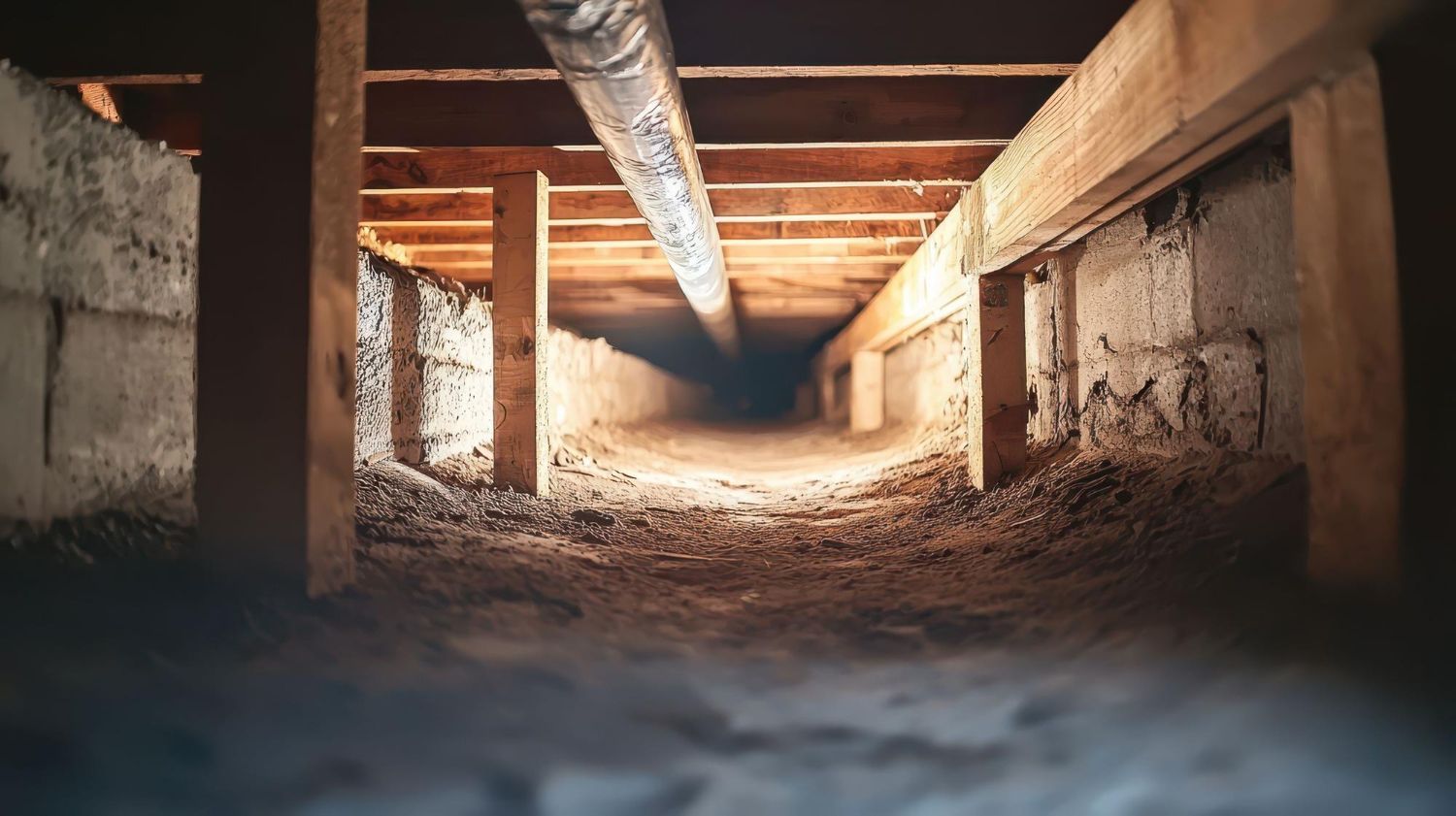
Drywall is a favorite place for mold because of how it is made. The paper facing on drywall is porous and can soak up water. Once that paper gets damp, it is like a sponge for moisture and a food source for mold. Inside wall cavities, where you cannot see, mold can grow in quiet, dark spaces for a long time.
Common moisture sources we see in local homes include:
- Roof leaks after heavy spring or summer storms
- Ice dam damage along eaves after snowy winters
- Basement seepage, especially in low-lying areas near rivers and creeks
- Slow plumbing leaks behind tubs, sinks, and toilets
- Condensation in bathrooms, kitchens, and laundry rooms with poor ventilation
The Hudson Valley climate adds to the problem. Damp spring weather and muggy summers, combined with tightly sealed homes, can trap moisture and stale air inside. When drywall gets wet and is not fully dried, mold can start growing in as little as a day or two. Waiting even a few extra days after water damage can be enough time for mold to take hold.
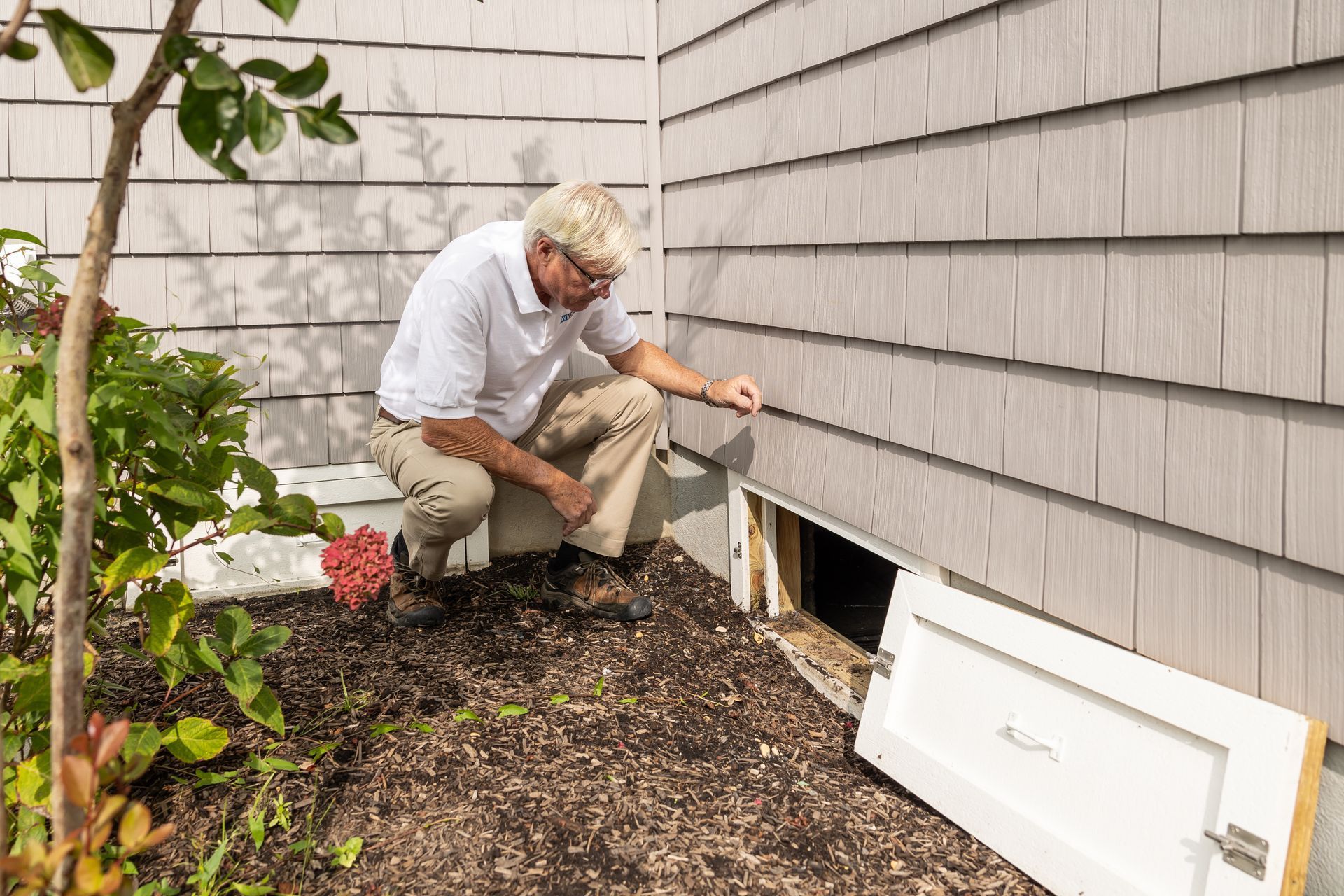
The tricky part is that visible spots are often only the tip of the iceberg. Mold can be hiding behind paint, under baseboards, behind trim, or inside insulation. That is why a professional assessment is so important when there has been any kind of leak or repeated staining on drywall.
Spotting Mold Damage on Drywall Before It Worsens
Catching drywall mold early can save a lot of trouble later. Some warning signs are easy to see if you know what to look for.
Visible signs include:
- Black, green, or brown speckled spots or patches
- Yellow or tan water stains that slowly darken
- Bubbling, cracking, or peeling paint on the wall
- Warped, sagging, or soft drywall panels
Your nose can be just as useful as your eyes. A strong, musty odor, especially in basements, bathrooms, attics, or closed-off rooms, is often a sign that mold is present. You might also notice more dust or what looks like powdery buildup near vents, baseboards, or along the bottom of walls.
Some people notice that they sneeze more, cough, or get headaches and sinus irritation that seem worse at home, especially when the weather is damp. While only a doctor can address health concerns, these changes can be a clue that there is a moisture and mold problem in the house.
It also helps to tell the difference between light surface mildew and deeper mold damage. If you gently press on a stained area and the drywall feels soft, crumbly, or spongy, the material is likely compromised. In those cases, wiping the surface will not fix the real problem inside the wall.
DIY cleaning is usually not enough when:
- Mold keeps coming back in the same spot
- The affected area is larger than a few small patches
- You see mold in several rooms or on multiple walls
At that point, professional mold damage repair in Poughkeepsie is the safer choice.
Repairing Drywall Mold Damage the Right Way
The first step with moldy drywall is always to stop the moisture. That might mean fixing a leak, improving drainage around the foundation, or using dehumidifiers to dry out damp areas. It is also important to avoid scraping or tearing out moldy drywall without protection, because that can release spores into the air and spread the problem.
A professional remediation process typically includes:
- Detailed inspection of the affected rooms and surfaces
- Moisture readings in drywall, framing, and surrounding materials
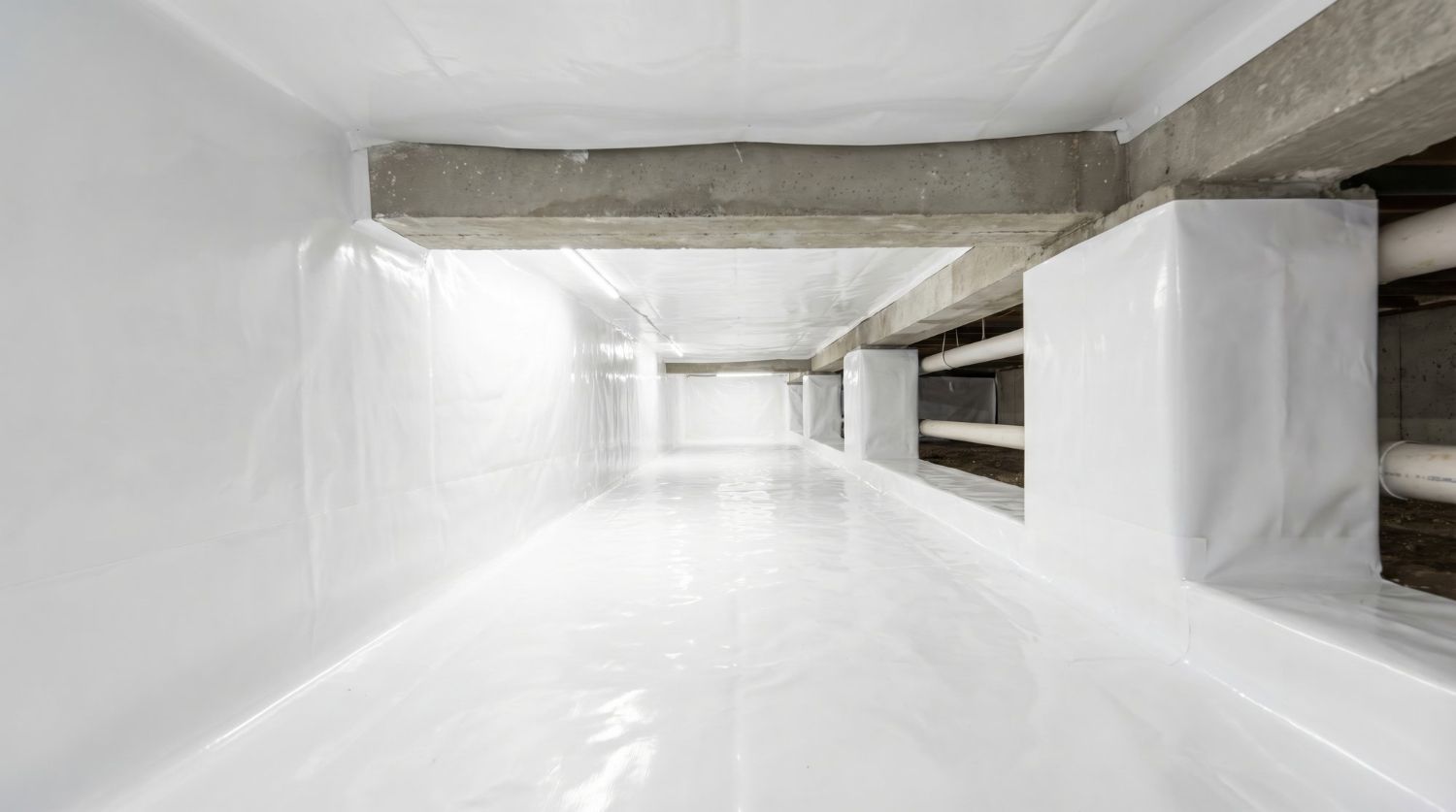
- Containment with plastic sheeting to isolate the work area
- Negative air machines and HEPA air filtration to capture spores
- Careful cutting, removal, and bagging of moldy drywall
- Cleaning and treating the exposed wall cavities
Sometimes drywall can be cleaned instead of removed. This is more likely when the mold is light and only on the surface of painted drywall that is still firm and not stained through. In many cases, though, porous, discolored, or soft drywall needs to be cut out so that hidden mold is fully removed.
Once the moldy materials are gone and the cavities are clean and dry, the repair work can begin. This usually includes replacing the damaged sections with new drywall, taping and applying joint compound, sanding for a smooth finish, then priming with appropriate products and repainting. Moisture levels are checked again to confirm the area is dry and stable before everything is closed up.
Working with a local team means the technicians are used to Poughkeepsie home styles, common leak spots, and our regional humidity patterns. That local knowledge helps find the real source of the mold so the same problem does not show up again a few months later.
Preventing Future Drywall Mold in Hudson Valley Seasons
Once mold damage is repaired, prevention becomes the next priority. A few simple habits can make a big difference, especially in spring and early summer when rain and humidity both tend to increase.
Useful routines include:
- Checking basements and lower levels after heavy rain or snowmelt
- Looking around windows, doors, and rooflines for new stains or drips
- Running dehumidifiers in damp spaces to keep humidity in a comfortable range
- Keeping bathroom and kitchen fans running long enough to clear steam
Practical upgrades to your home can also help reduce the chance of mold on drywall:
- Proper exhaust fans that vent outdoors in bathrooms and kitchens
- Regular gutter cleaning and downspout extensions to move water away
- Adjusted grading and drainage to keep water from pooling near the foundation
- Using mold-resistant drywall in areas that tend to get damp, like bathrooms or laundry rooms
After a restoration project, it is smart to keep up a simple maintenance plan. That can include inexpensive hygrometers to spot high humidity, yearly roof and plumbing checks, and prompt attention to any new stains, soft spots, or musty smells on walls or ceilings.
Regional mold can also help identify moisture sources, suggest ventilation and insulation improvements, and provide cleaning for areas that tend to collect dampness and dust. Preventing new mold growth almost always costs less, and brings less stress, than going through repeated mold damage repair in Poughkeepsie homes, especially in older properties or homes that have had water problems before.
Protect Your Poughkeepsie Walls with Local Mold Experts
Untreated drywall mold is more than just an ugly stain on the wall. It can weaken building materials, harm indoor air quality, and hurt the value and comfort of your home, especially after a wet Hudson Valley winter and spring. Once mold gets into drywall, it rarely goes away on its own.
Professional help from a local team like Regional mold brings trained technicians, proper safety and containment, and thorough removal of contaminated materials. The goal is not only to clean up what you can see, but to restore your walls, address the moisture source, and leave you with spaces that feel clean, dry, and healthy again. If you notice visible mold patches, stains that keep returning, musty odors that linger, or water damage that was never fully dried, it is time to take the problem seriously and get your walls checked before it spreads.
Get Started With Your Project Today
If you are seeing signs of mold or water damage, we are ready to help you restore your property safely and thoroughly. At Regional Mold, our team provides trusted
mold damage repair in Poughkeepsie tailored to the needs of local homes and businesses. Reach out today to discuss your situation, get clear answers, and schedule service that fits your timeline. If you are ready to move forward or have questions, simply
contact us and we will respond promptly.