Post-Flood Basement Dry-Out Checklist for Hudson Valley Homes
Protect Your Hudson Valley Home After Basement Flooding
Basement flooding in the Hudson Valley can happen fast. Snow melts, heavy rain hits, the ground is already wet, and suddenly there is water where it should never be. When that water gets into your basement, the clock starts for structural damage, bad odors, and mold growth.
The first 24 to 72 hours after flooding are the most important. Moisture can get deep into concrete, framing, drywall, and contents. If that moisture sits too long, you could be facing serious basement mold removal instead of a basic cleanup. This checklist walks through a simple timeline, from the first hours after a flood to long-term prevention, and explains when it is safer and faster to bring in a professional restoration team.
First 24 Hours: Safety, Standing Water, and Airflow
Safety always comes first. Floodwater is not just “rain in the basement.” It can hide electrical hazards and contamination from outside.
In the first day, focus on:
- Staying safe around electricity
- Getting help lined up
- Moving the bulk of the water out
- Starting air movement
Key steps in this first window:
- If water is near outlets, appliances, or the electric panel, shut off power to the affected area if you can do it without stepping into water.
- Stay out of water that smells like sewage, fuel oil, or chemicals. Do not let kids or pets in the basement.
- Contact your insurance company and record short video clips and photos of every affected area, including walls, floors, and damaged items.
If the water is deeper than a few inches, has spread across most of the basement, or keeps rising, many homeowners find it much safer to bring in a local restoration company early. Larger floods usually need professional pumps, extraction tools, and drying equipment.
Once it is safe to do so:
- Pump or wet vacuum standing water, starting with the deepest area and working toward floor drains or exits.
- Open windows and doors if weather allows, to let moisture escape and bring in fresh air.
- Set up fans to move air across damp surfaces, not just blow in one direction.
- Move easily salvageable items like plastic bins, metal furniture, and clean storage off the floor to a dry space.
The goal in this period is not perfection. It is to stop active flooding, get the bulk water out, and start the drying process.
Next 48, 72 Hours: Aggressive Dry Out and Mold Watch
The next two to three days are what we think of as the mold prevention zone. If porous materials stay damp and humidity stays high, mold spores can start to grow and spread. Once that happens, basic cleaning is usually not enough and full basement mold removal may be needed.
During this time, focus on pulling moisture out of the air and materials:
- Run one or more dehumidifiers that are sized for the square footage of your basement.
- Aim for indoor humidity in the 40 to 50 percent range if possible.
- Keep dehumidifiers running around the clock until surfaces feel dry, not just “less wet.”
You can also:
- Keep fans going to move dry air across floors, walls, and framing.
- Gently separate baseboards from walls if they are already loose, so air can reach hidden damp spots.
- Prop up furniture on blocks so air can flow underneath.
Watch closely for early warning signs of mold:
- New or stronger musty odor that does not fade as things dry
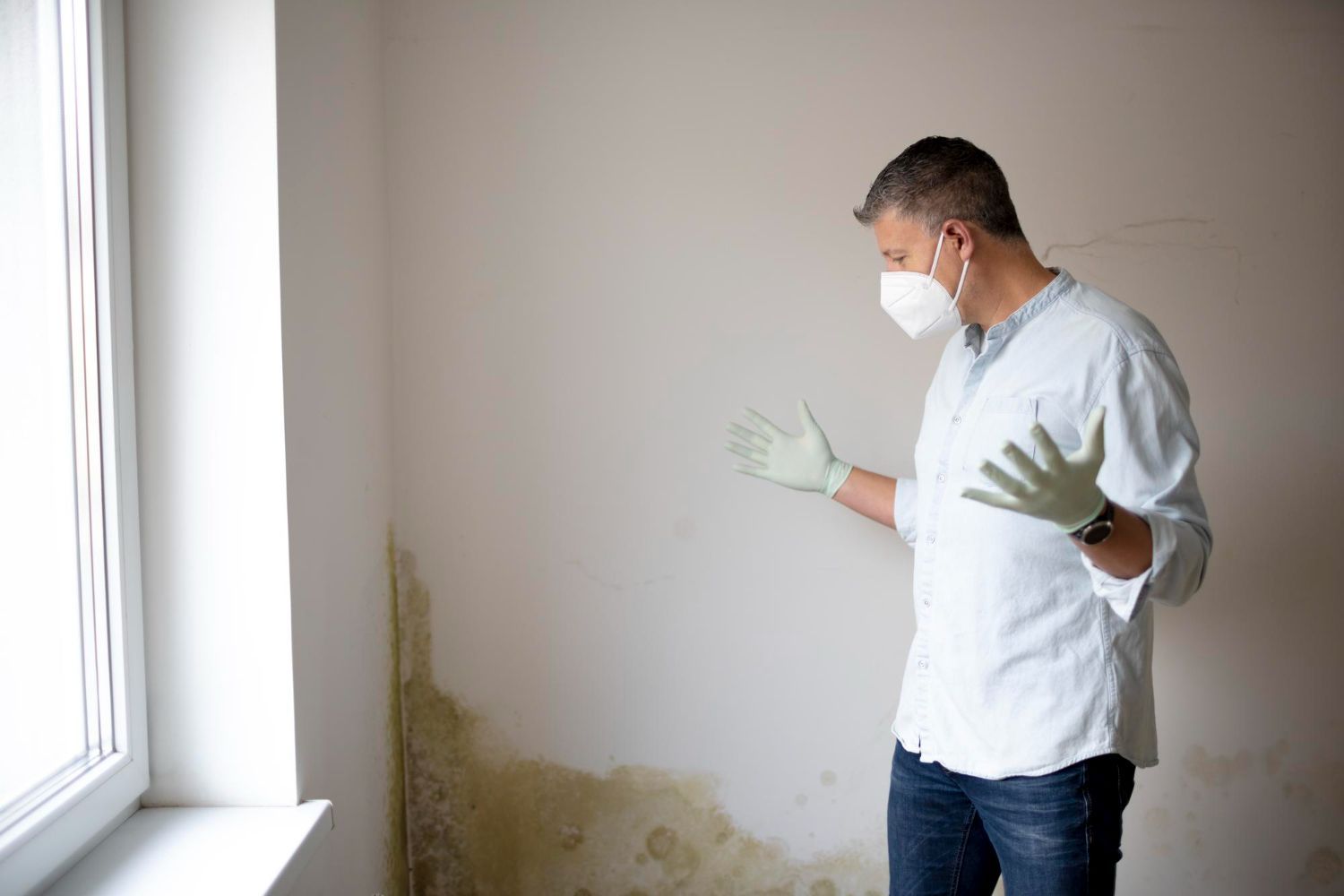
- Yellow, brown, green, or black spots on drywall, wood, or concrete
- Peeling or bubbling paint or wallpaper
- Fuzzy growth on wood framing, cardboard boxes, or stored items
Once you see clear growth on more than a small patch or notice that the musty odor is getting worse, it is usually time to bring in trained mold remediation professionals. Scrubbing mold without proper containment and filtration can send spores into the air and other parts of the home.
Deep Cleaning and Disinfection for a Healthy Basement
After standing water is gone and surfaces are mostly dry to the touch, it is time to decide what can stay and what should go. Not every material responds the same way to flooding.
Items that are often good candidates to save include:
- Solid wood framing and beams that can fully dry
- Concrete floors and walls
- Some ceramic tile and grout
Items that usually need to be removed and replaced include:
- Soaked carpet and pad
- Wet cardboard boxes and paper products
- Fiberboard furniture that has swelled
- Drywall and insulation that stayed wet for more than a short time
Once unsalvageable materials are cut out, cleaning and disinfection can begin:
- Use a HEPA vacuum on dry, dusty surfaces to remove fine debris and settled particles.
- Wash hard surfaces like concrete and finished wood with a mild detergent solution to lift dirt and residue.
- Apply appropriate disinfectants on floors, lower walls, and other areas that came into contact with floodwater, taking care not to damage finishes.
Prevent spreading contamination to the rest of the home:
- Double bag debris before carrying it through living spaces.
- Wear separate shoes or boot covers in the basement and remove them before going upstairs.
- Avoid shaking out wet items indoors, which can release particles into the air.
If you can already see mold on wood, drywall, or contents, professional containment and air filtration are often the safest options. This helps protect your family and keeps spores from spreading into clean rooms.
Long Term Mold Prevention and Basement Repairs
Once the basement is fully dry and clean, the focus shifts to stopping the next flood and keeping moisture under control. In the Hudson Valley, heavy rain and changing seasons can put steady pressure on foundations and drainage systems.
Common long-term fixes include:
- Sealing or repairing visible foundation cracks where water has entered
- Improving gutter and downspout systems so water is moved away from the house
- Regrading soil outside so it slopes away from foundation walls
- Installing or servicing sump pumps and backup systems
Indoors, moisture control is just as important:
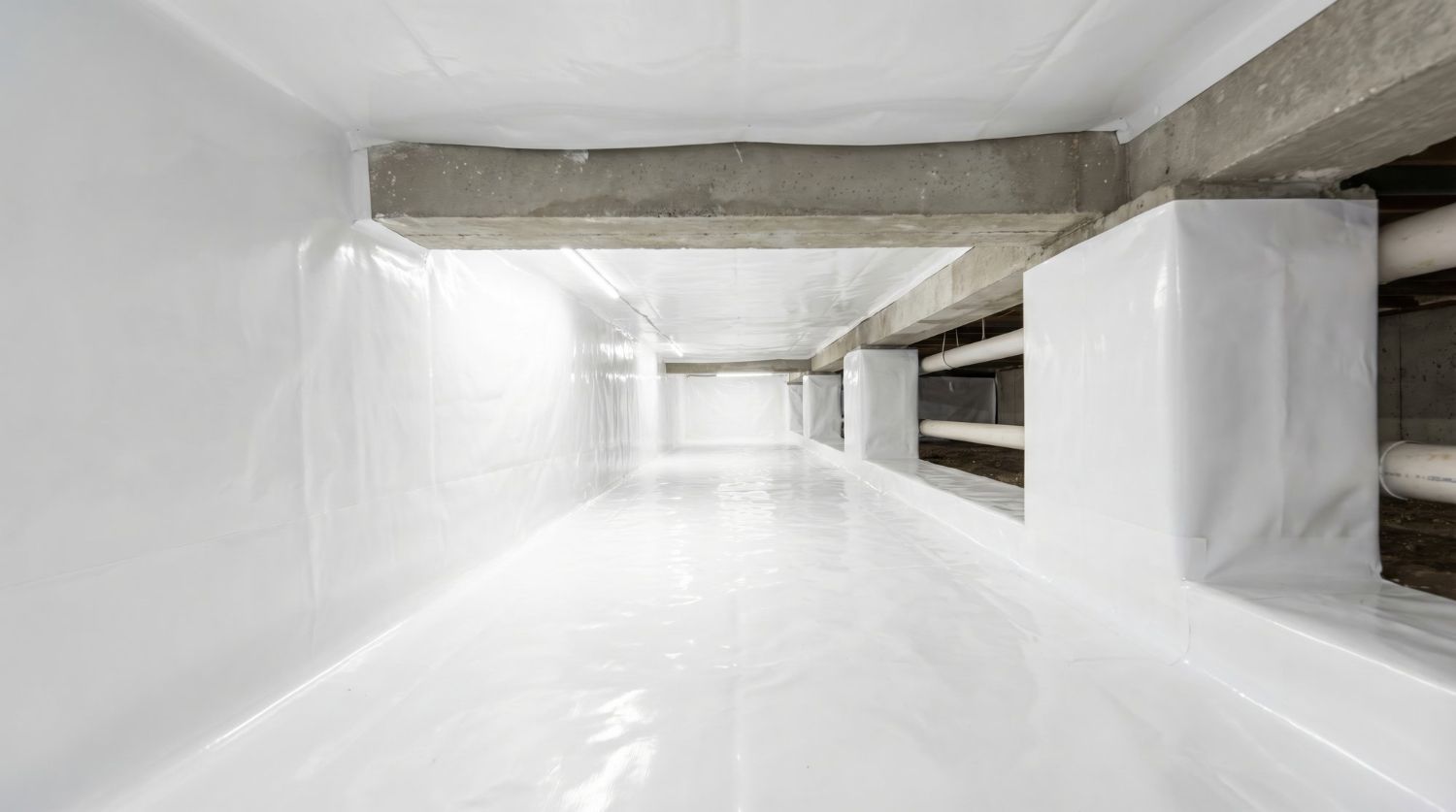
- Use permanent or built-in dehumidifiers during damp months, especially in basements with poor natural airflow.
- Improve ventilation so moist air has a path to escape instead of getting trapped.
- Store items on shelves or pallets, not directly on the basement floor or tight against exterior walls.
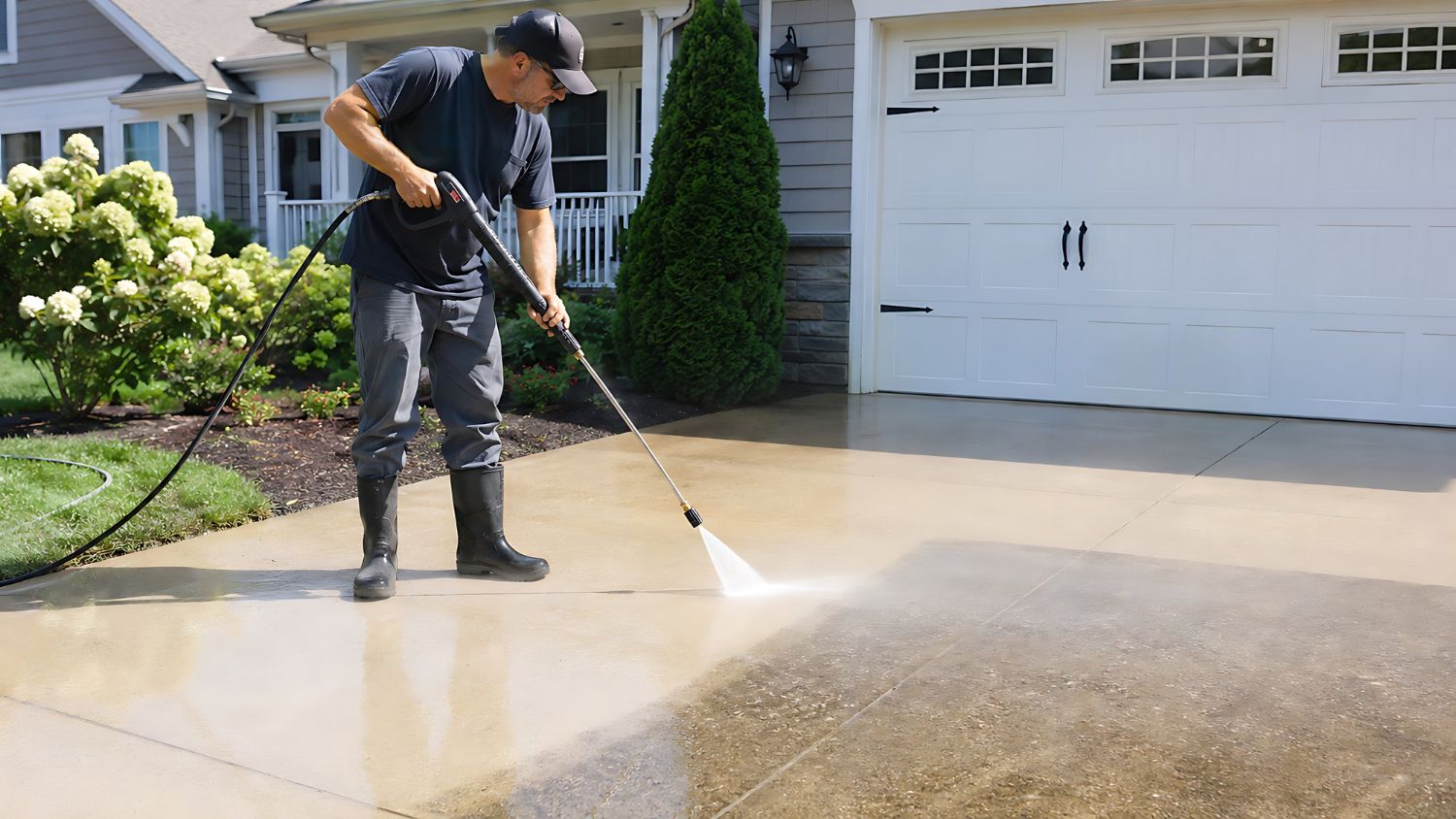
These steps support a dry, fresh space and help protect property value. When repairs are paired with professional basement mold removal, fresh painting, and even power washing on exterior areas, the basement looks and feels cared for. Future buyers or tenants can feel more confident that the water problem was handled the right way.
When to Call Regional Mold for Faster Recovery
Some small, shallow water events can be handled with quick action and basic cleanup. But there are clear times when professional help is the safer and faster path. It is usually time to bring in a restoration team if:
- Flooding happens again and again in the same area
- Water is deeper than a few inches or covers most of the basement
- The water is from sewage, oil tanks, or other contaminated sources
- You see mold growth wider than a small, isolated patch
- Family members are sensitive to mold or indoor air quality
Regional Mold, based here in Poughkeepsie, handles the full recovery process for homes across Poughkeepsie, Westchester, and Orange County. That includes water extraction, structural drying, basement mold removal, detailed disinfection, and finishing touches like painting and power washing to pull the space back together.
Storms and heavy rains will always be part of life in the Hudson Valley. Having a clear dry out checklist, watching the 24 to 72 hour window, and knowing when to bring in experienced help can make the difference between a quick recovery and a long-term moisture problem that keeps coming back.
Protect Your Basement And Family From Mold Today
If you have signs of moisture or musty odors downstairs, now is the time to act so the problem does not spread. At Regional Mold, we provide thorough
basement mold removal that targets the source and helps prevent it from coming back. We will inspect your space, explain what we find in clear terms, and recommend practical solutions that fit your home. To schedule an appointment or ask questions, please
contact us.