Choosing a Certified Mold Remediation Company in Poughkeepsie
Protect Your Hudson Valley Home From Hidden Mold Risks
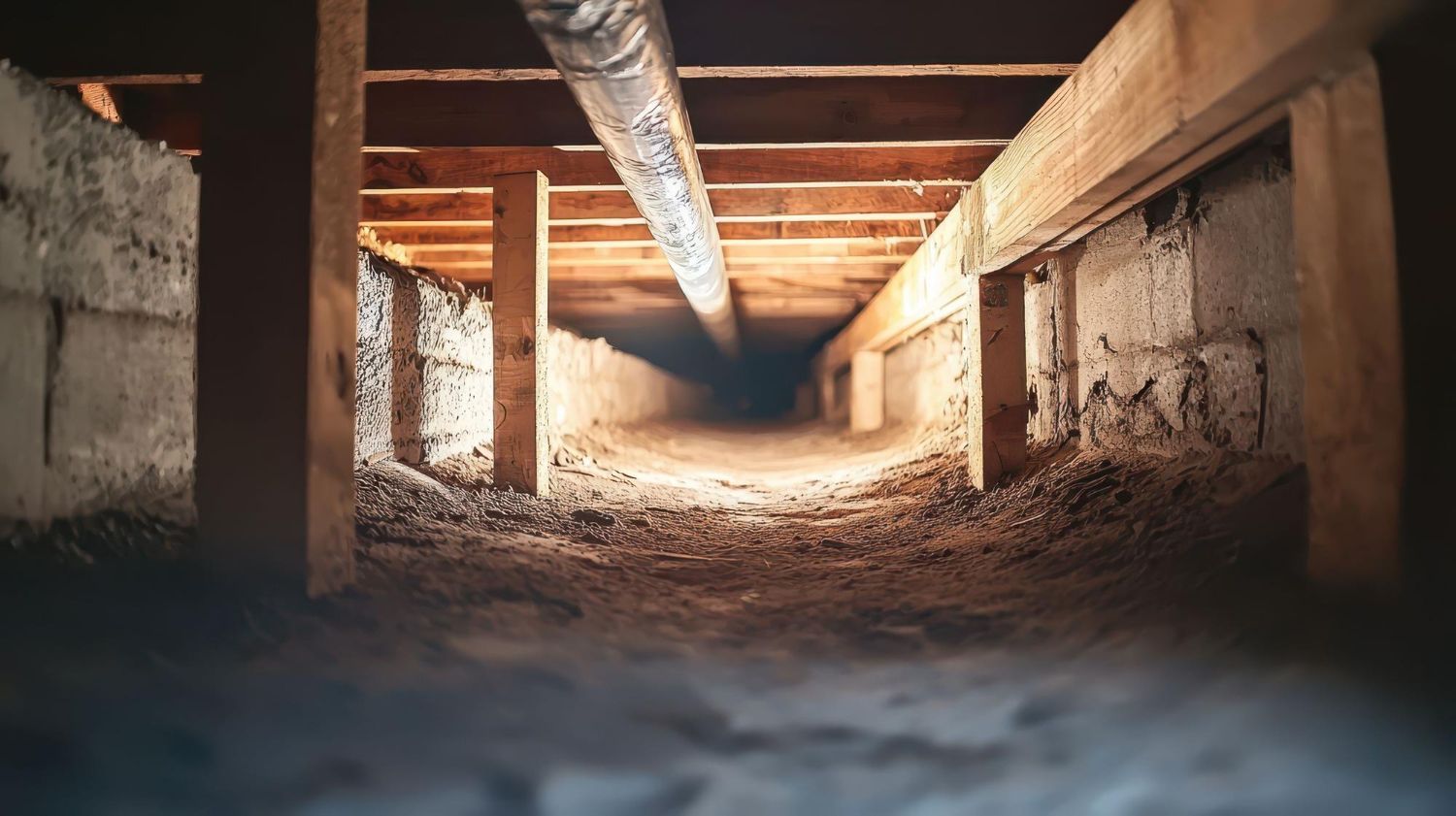
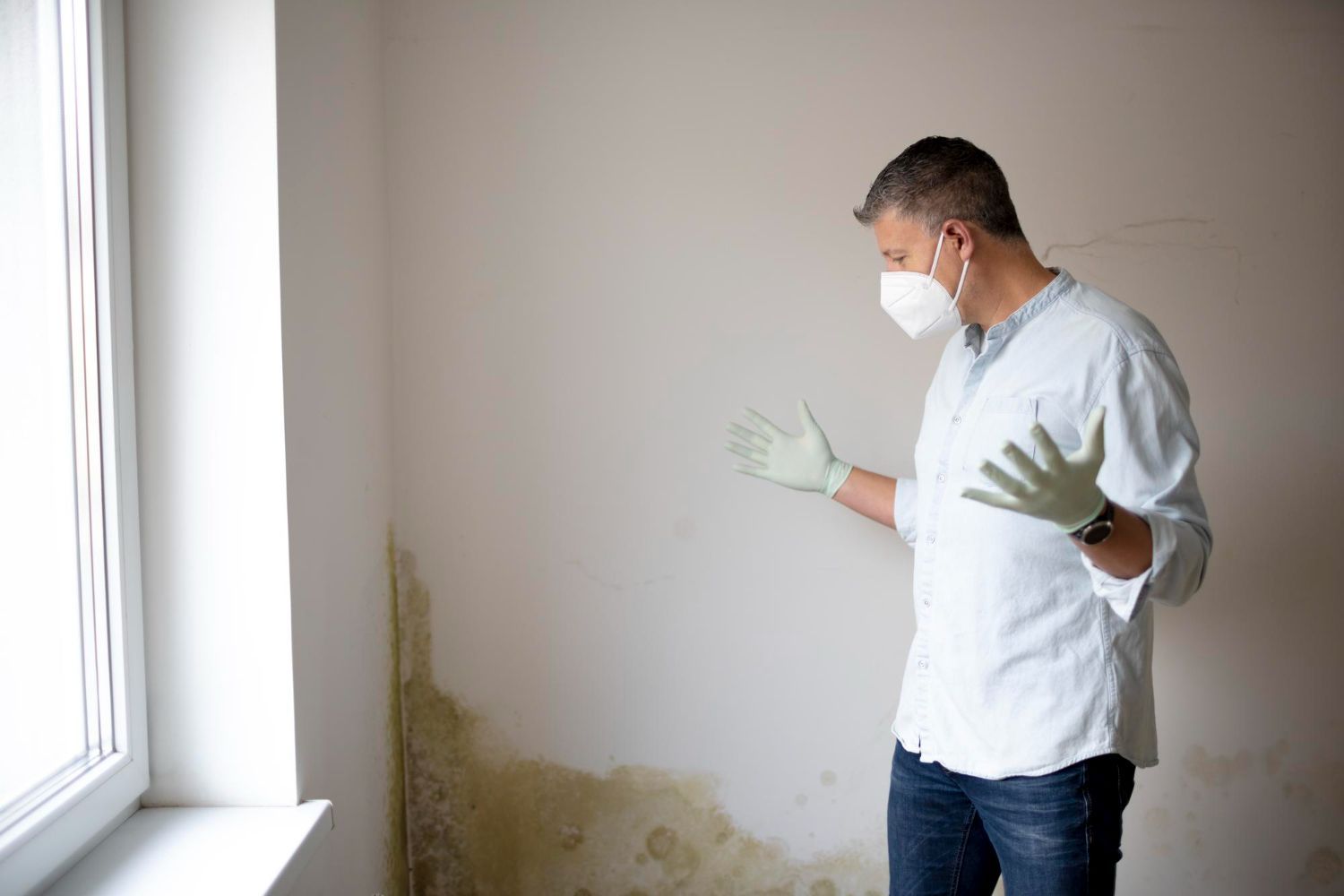
Mold does not wait long to move in. After heavy rain or stretches of damp weather in Poughkeepsie and across the Hudson Valley, moisture can collect in basements, crawl spaces, and attics. When that moisture lingers, mold can begin to grow and spread across wood, drywall, and insulation.
Choosing the right certified mold remediation company is about more than just cleaning what you can see. Done correctly, mold cleanup helps protect your health, your home’s structure, and your property value. Done poorly, it can leave hidden growth behind or even spread spores into clean rooms.
We want to walk through how to choose a trustworthy team for mold cleanup in Poughkeepsie, NY. We will cover New York mold licensing rules, what proper containment looks like, and why independent clearance testing is your final safety check before you rebuild or move back into a space.
Why New York Mold Licensing Laws Matter to You
New York has specific laws that separate mold assessment from mold remediation. That means one licensed professional inspects and writes the plan, and a different licensed professional performs the cleanup. This helps protect you from conflicts of interest, like someone exaggerating a problem just to sell more work.
Here are the main licenses and credentials to look for when you are dealing with mold:
- New York State Mold Assessor License, for the person or company that inspects and writes the mold remediation plan
- New York State Mold Remediator License, for the company that does the actual cleanup work
- Any additional industry training, such as courses in water damage and mold cleanup methods
You can ask to see proof of these licenses before anyone starts work in your home. A professional company should also carry general liability insurance and workers' compensation coverage for their crews. This protects both you and the workers if something unexpected happens on site.
Be careful with offers of “free mold testing” that are tied to a promise of guaranteed remediation work. When the same person tests, writes the plan, and sells the cleanup, there is more pressure to find a reason for a big project. New York’s licensing setup is designed to keep those roles separate for your benefit.
Signs of a Professional Mold Assessment and Estimate
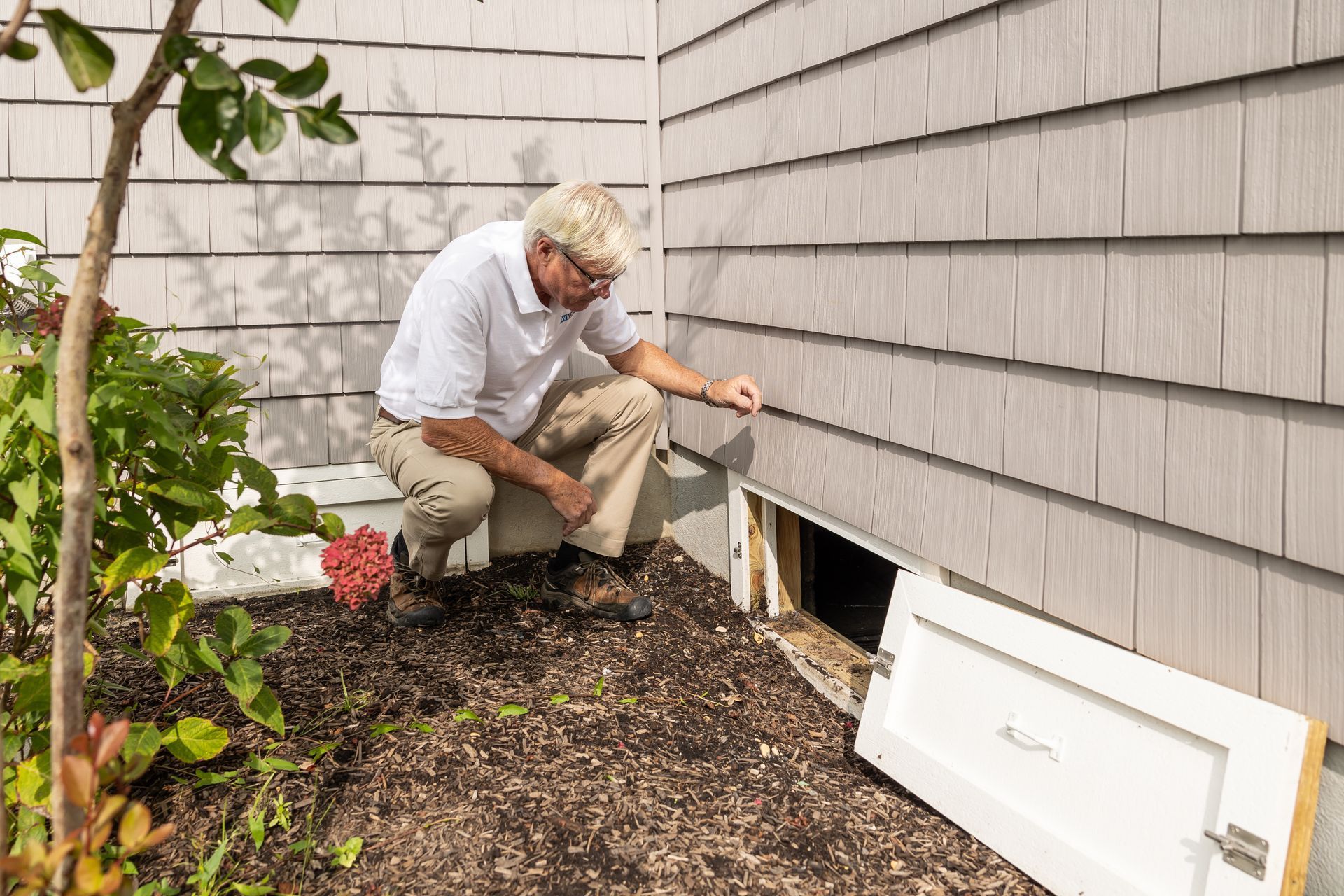
Before any walls are opened or equipment is brought in, there should be a clear, detailed mold assessment. A quick glance and a guess is not enough, especially in older Hudson Valley homes that may have long-term water issues.
A thorough mold assessment should include:
- Visual inspection of all affected and nearby areas
- Moisture readings in walls, floors, and ceilings
- Investigation of the source of water or humidity
- A written scope of work that explains what needs to be done
A good assessor will not just point to the mold and say, “Here is the problem.” They will ask where water is getting in and why the area is staying damp. Common issues in our area include foundation cracks, poor grading around the home, clogged gutters, and past flooding that never fully dried.
After the assessment, you should receive a written estimate from the remediation company that clearly explains:
- What areas will be contained and how
- What materials will be removed and what can be cleaned
- What cleanup standards will be used
- How long the work is expected to take
- What is included in the price and what is not
When everything is written down, it is easier to compare companies and avoid surprises mid-project.
Containment, Removal, and Safety Practices You Should Demand
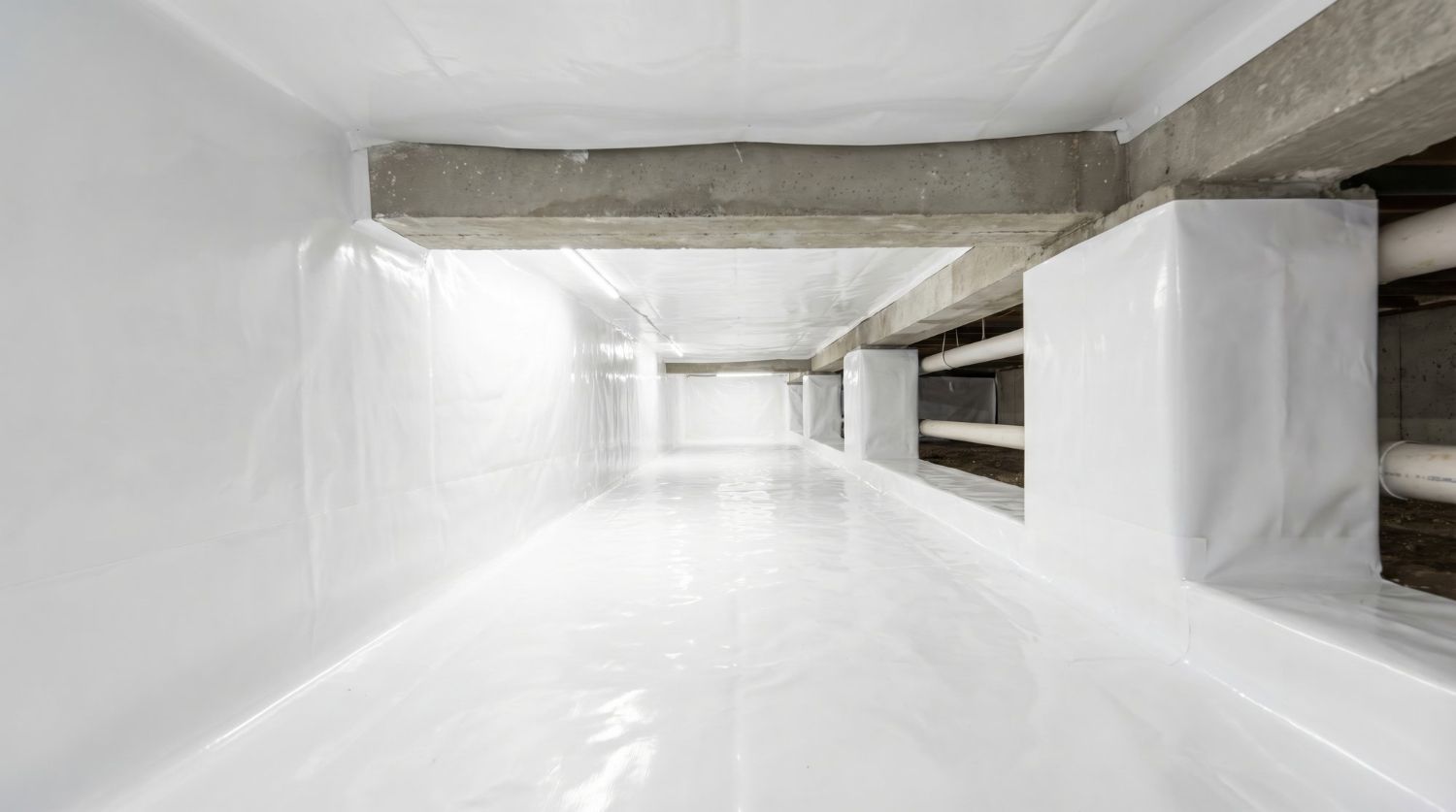
Containment is one of the most important parts of mold cleanup in Poughkeepsie, NY. If moldy dust and spores are allowed to float around your home, the problem can spread instead of getting better.
Proper containment usually includes:
- Plastic barriers to isolate the work area
- Sealed entry points, vents, and openings
- Negative air machines that pull air out of the space
- HEPA filtration to capture tiny particles and spores
Once the area is sealed off, the crew can start removal. Real mold remediation is about removing contamination, not just covering it up. Spraying chemicals or paint over mold without removing it does not solve the issue.
Correct removal practices often include:
- Taking out materials that cannot be cleaned, such as heavily damaged drywall, insulation, or carpet
- HEPA vacuuming of surfaces to collect loose spores and dust
- Damp wiping with appropriate cleaning methods
- Thorough drying of the area so mold cannot return
Safety matters for both workers and your family. You should expect to see:
- Personal protective equipment like respirators, gloves, and protective suits
- Careful bagging and removal of debris so it does not spread through the house
- Clear communication about which areas are off-limits
- Honest expectations about noise, dust, and how long spaces will be unavailable
When the company explains their plan and answers your questions in plain language, it is a good sign that they take both safety and quality seriously.
Why Clearance Testing Is Your Final Safety Check
Once mold remediation is complete, you need a way to confirm that the work was successful. That is where clearance testing comes in. This step is done by a licensed mold assessor, not by the remediation company that did the cleanup.
Clearance testing usually includes:
- A post-remediation visual inspection of all treated areas
- Moisture checks to make sure materials are dry
- Air sampling or surface sampling when appropriate
The goal is to make sure the source of moisture is under control, visible mold is gone, and airborne spore levels are within acceptable ranges compared to normal indoor or outdoor conditions. This gives you peace of mind before you close walls, put down new flooring, or move furniture back.
It is smart to have clear pass or fail criteria written into your contract. That way, everyone knows what “clean” means before the job even begins. Be cautious of companies that push back against third-party clearance testing. Independent verification helps protect you, and confident remediation companies should welcome it.
Choosing a Local Expert for Mold Cleanup in Poughkeepsie, NY
When you are dealing with mold and moisture, local experience matters. Homes in Poughkeepsie and the wider Hudson Valley face common challenges like river humidity, heavy rains, aging foundations, and basements that stay damp. A local company is more likely to recognize these patterns and suggest long-term fixes, not just quick patches.
Before you choose a mold remediation company, use this simple checklist:
- Confirm they hold a New York State Mold Remediator License
- Ask for proof of insurance and workers' compensation
- Make sure a separate licensed assessor will handle the inspection and clearance testing
- Review a written scope that explains containment, removal, and cleanup methods
- Ask how they protect the rest of your home during the project
Working with a local, experienced team can make mold cleanup less stressful and more effective. At Regional Mold in Poughkeepsie, we focus on professional mold remediation, water damage restoration, and related services like basement work that help reduce future moisture problems. A careful process, from assessment through clearance testing, helps keep your home safer and your air cleaner for the long term.
Protect Your Home With Professional Mold Cleanup Today
If you are seeing signs of mold or are concerned about hidden moisture damage, we are ready to help restore a healthier environment in your home. At Regional Mold, our team provides thorough
mold cleanup in Poughkeepsie, NY tailored to your property’s specific needs. Reach out today so we can assess the situation, explain your options clearly, and get a plan in place. To schedule an inspection or ask questions about your situation, please
contact us.