Winter Humidity Mistakes in Poughkeepsie Homes That Cause Mold
Stop Winter Moisture Before It Turns Into Mold
Cold Hudson Valley winters are tough on homes. When the air outside is frigid and the heat is running inside, moisture can quietly build up in places you would not expect. That hidden moisture is exactly what mold needs to grow and spread.
Common winter habits make the problem worse. Overusing humidifiers, ignoring foggy windows, and sealing the house so tight that air cannot move all let moisture sit on windowsills, walls, and even inside wall cavities. Once surfaces stay damp, mold can begin to grow in a short time.
Mold is more than a nuisance. It can irritate breathing, trigger allergies, and slowly damage drywall, wood trim, and insulation. Stopping moisture early is almost always easier and less stressful than full mold remediation later.
At Regional Mold, we work in Poughkeepsie and across the Hudson Valley, so we see these winter issues all the time. We want to share how to spot the warning signs and what habits to change before winter moisture turns into a bigger mold problem.
How Poughkeepsie Winters Trap Moisture Indoors
When the heat is on, warm air inside your home naturally rises. In winter, that warm air is loaded with moisture from daily life. If your house is tightly closed to keep the cold out, that moist air can get trapped upstairs and in the attic. This is part of what many people call the stack effect.
To stay warm, people do things like:
- Keep windows shut at all times
- Add plastic film over windows
- Install heavy weatherstripping around doors
- Limit how often they open doors to the outside
Those steps might help with comfort, but they also limit fresh air exchange. Moisture from daily living that would normally escape outside now lingers in the house.
Everyday activities add more water to the air, such as:
- Hot showers and baths
- Boiling water and cooking on the stove
- Drying clothes on racks inside
- Watering many houseplants
- Even breathing and pets in the home
In many Poughkeepsie, Westchester, and Orange County homes, older construction mixes with newer insulation and windows. This can make a house more airtight without adding better ventilation. That is when moisture starts to collect in corners, upper floors, and hidden spaces, which sets the stage for mold growth.
Condensation and Cold Surfaces That Invite Mold
Condensation happens when warm, humid indoor air hits a cold surface. The air cools down and can no longer hold as much moisture. Water then forms as droplets on the surface. In winter, this usually shows up on windows, exterior walls, and around sliding doors.
Warning signs of condensation include:
- Foggy glass that drips with water
- Wet or stained window frames and sills
- Black spots on caulk or weatherstripping
- Peeling or bubbling paint on outside walls
- Musty smells near windows or cold corners
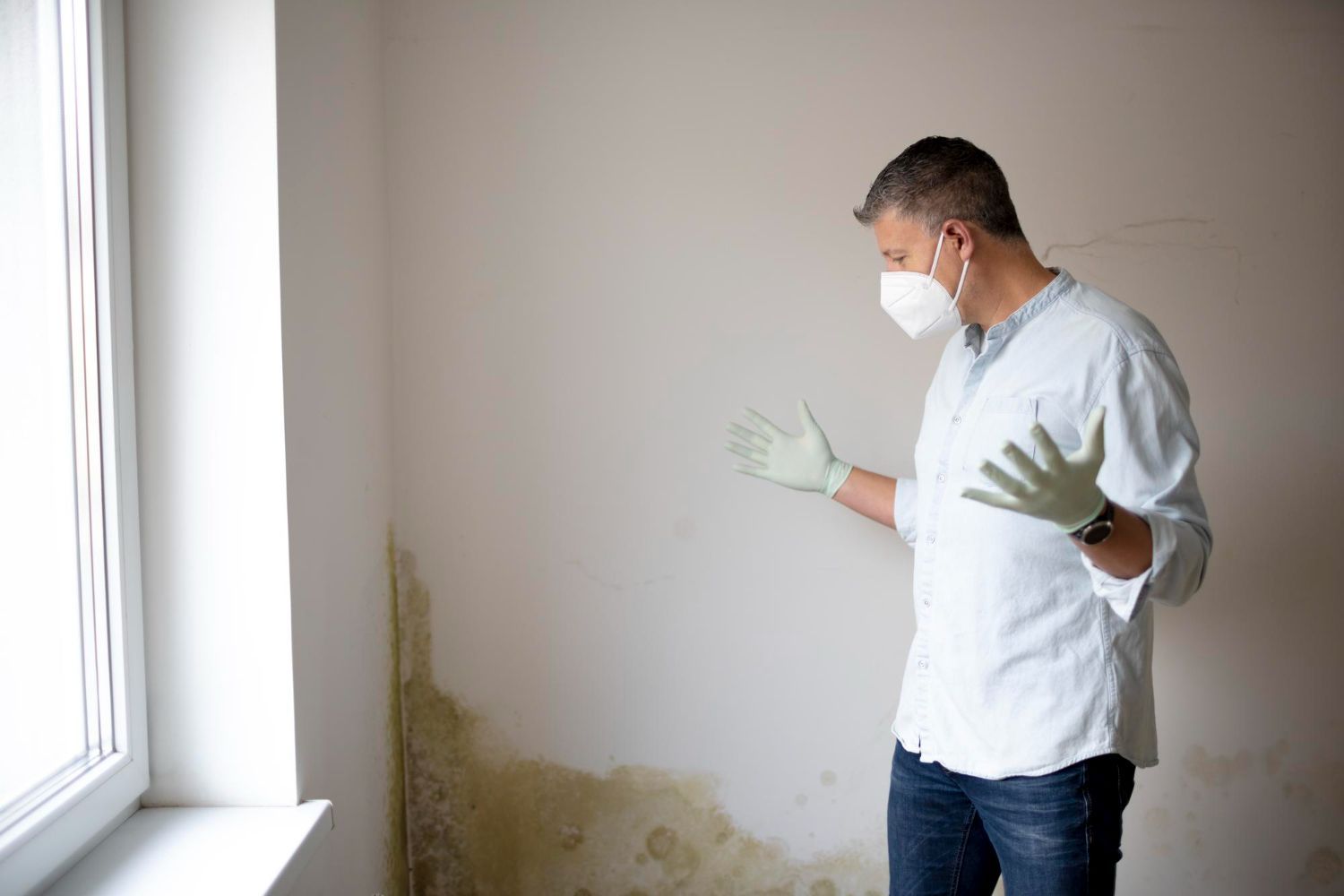
If this keeps happening, the surfaces around those cold spots stay damp. Materials like wood, drywall, and insulation are porous. They soak up that moisture and keep it there long enough for mold spores to take hold.
Some simple habits can help cut condensation:
- Use bathroom fans during and after showers
- Run your kitchen range hood when boiling or frying
- Improve insulation or weatherstripping around drafty windows and doors
- Wipe down wet windowsills and frames instead of letting them dry on their own
If you see the same windows dripping day after day, that is not just a comfort issue. It is an early warning sign that mold may soon follow if the moisture source is not handled correctly.
Humidifier Habits That Quietly Cause Mold Problems
Winter air can feel dry, so many homeowners turn to portable or whole-house humidifiers. Used carefully, they can improve comfort. But heavy use often pushes indoor humidity too high, especially in smaller or older homes.
For most homes, a healthy winter indoor humidity range is roughly 30 to 50 percent. When it is very cold outside, staying on the lower end of that range is usually safer. If humidity climbs much higher, you are likely to see window condensation and a greater risk for mold.
Problem humidifier habits often look like this:
- Running several humidifiers at once without checking humidity
- Ignoring built-in settings or running them on the highest level all the time
- Never using a separate digital hygrometer to see the real humidity level
- Skipping regular cleaning of tanks, filters, and internal parts
Dirty units can also release bacteria and mold spores into the air, which then settle on damp surfaces. That is an easy way for mold to spread without you realizing it.
Safer practices include:
- Placing a small digital hygrometer in main living areas and bedrooms
- Adjusting humidifiers so humidity stays in a moderate range
- Turning humidifiers off if you see water on windows or walls
- Cleaning tanks and parts as often as the manufacturer suggests
If mold is already showing up around windows, on nearby walls, or on baseboards, you may have more than just a comfort problem. At that point, professional mold remediation may be needed to remove growth safely and keep it from returning.
Closed-Up Ventilation and Blocked Airflow Hotspots
In winter, it is common for people to move furniture around and seal off parts of the home to feel warmer. Some of these changes quietly block airflow and trap moisture in pockets.
Typical winter mistakes include:
- Placing couches, beds, or bookcases directly over supply or return vents
- Closing doors to unused rooms for long periods
- Leaving bathroom fans off so warm air does not leave the room
- Skipping the use of kitchen exhaust fans while cooking
When air cannot move, cold and damp corners develop. These hotspots often show up:
- Behind furniture that sits against exterior walls
- Inside closets that share an outside wall
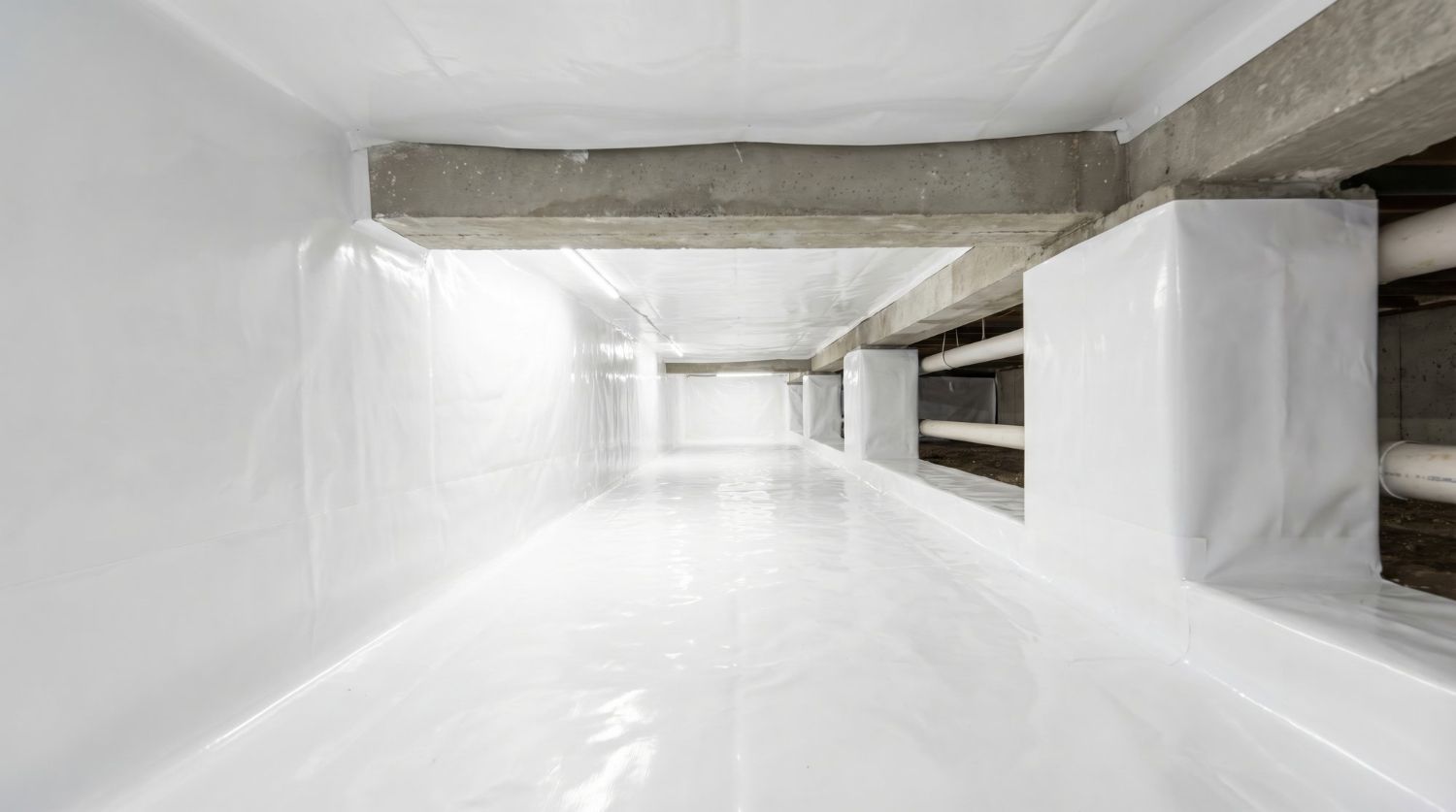
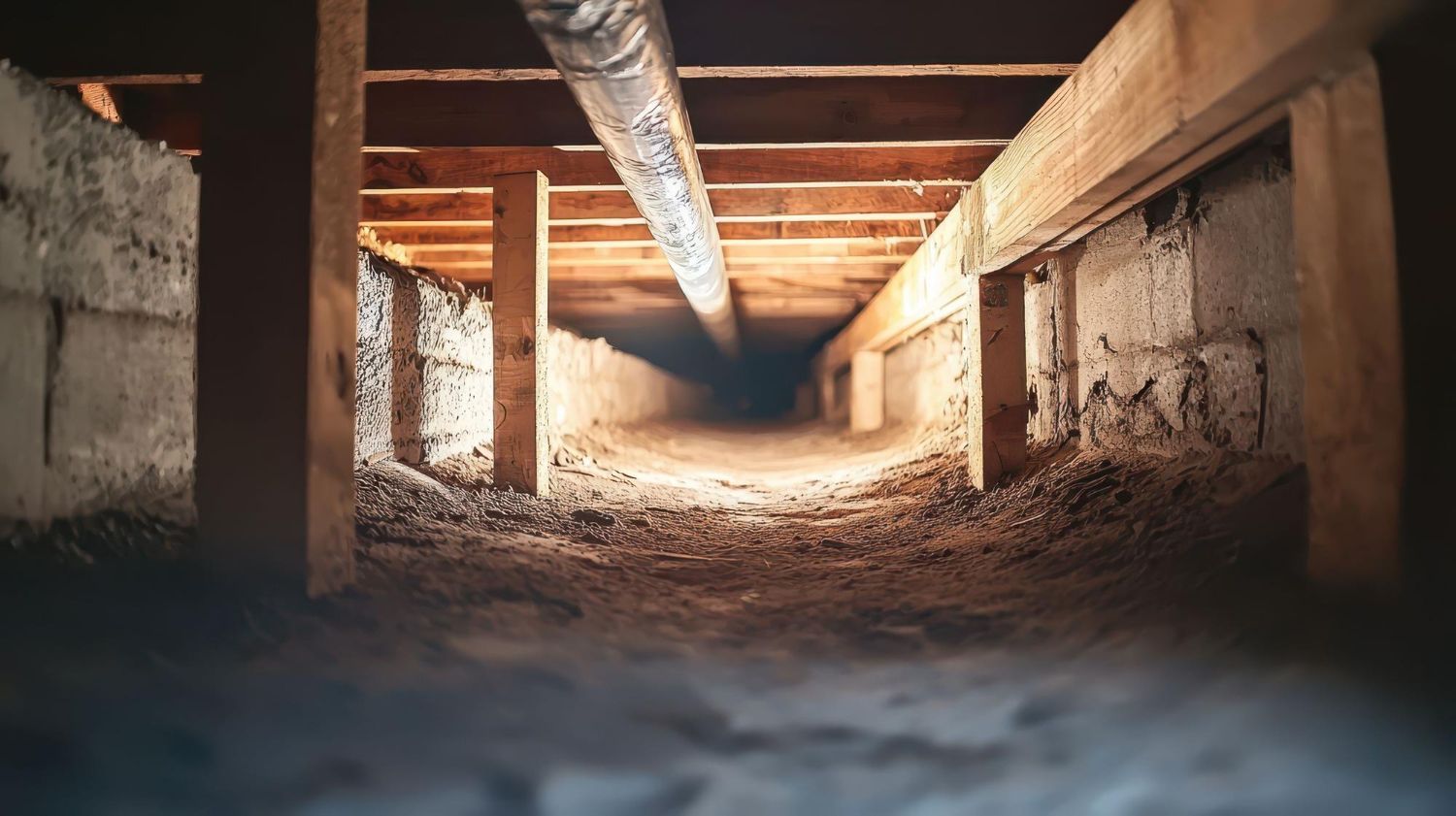
- In basements with poor air movement
- In attics where bath fans vent directly into the space
Here in the Hudson Valley, many homes also have gas or oil furnaces and laundry setups in basements that already feel damp. Without good venting for dryers and combustion appliances, extra moisture can linger and feed mold growth on joists, beams, and stored belongings.
To reduce these risks, it helps to:
- Keep supply and return vents clear and uncovered
- Run bath fans during showers and for 20 to 30 minutes afterward
- Use the range hood when boiling, frying, or simmering
- Leave doors slightly open in rooms that tend to feel stuffy
- Make sure attic and dryer vents actually exit to the outdoors and are not blocked
These steps do not just help comfort. They help break up pockets of moist air before they settle on cold surfaces and start feeding mold.
When Winter Moisture Becomes a Mold Emergency
Sometimes, despite your best efforts, mold still appears. Not every small patch is an emergency, but some warning signs mean it is time for professional mold remediation instead of home cleaning.
Red flags include:
- Strong, ongoing musty odors you cannot track down
- Visible mold growth larger than a small patch on a wall or ceiling
- Mold that returns again and again after surface cleaning
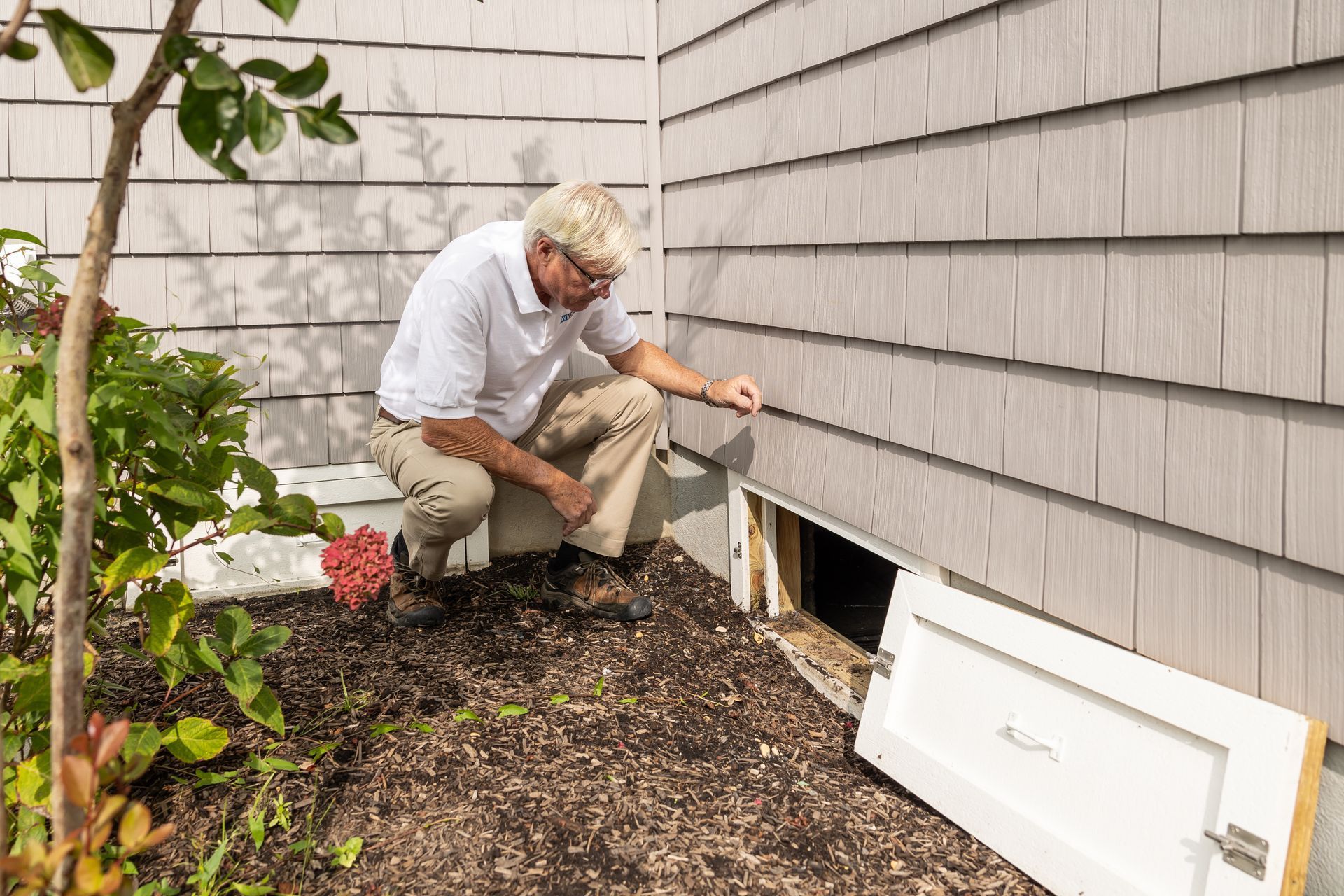
- Growth inside HVAC systems, basements, or attics
These situations can be harder on children, older adults, and anyone with asthma or allergies. Trying to scrub mold on your own, especially with bleach, can send more spores into the air and does not handle what is inside porous materials.
A professional mold remediation team will:
- Identify where moisture is coming from, such as leaks or condensation
- Contain the work area so spores do not spread through the house
- Remove contaminated materials that cannot be saved
- Clean, dry, and treat the space to help prevent mold from coming back
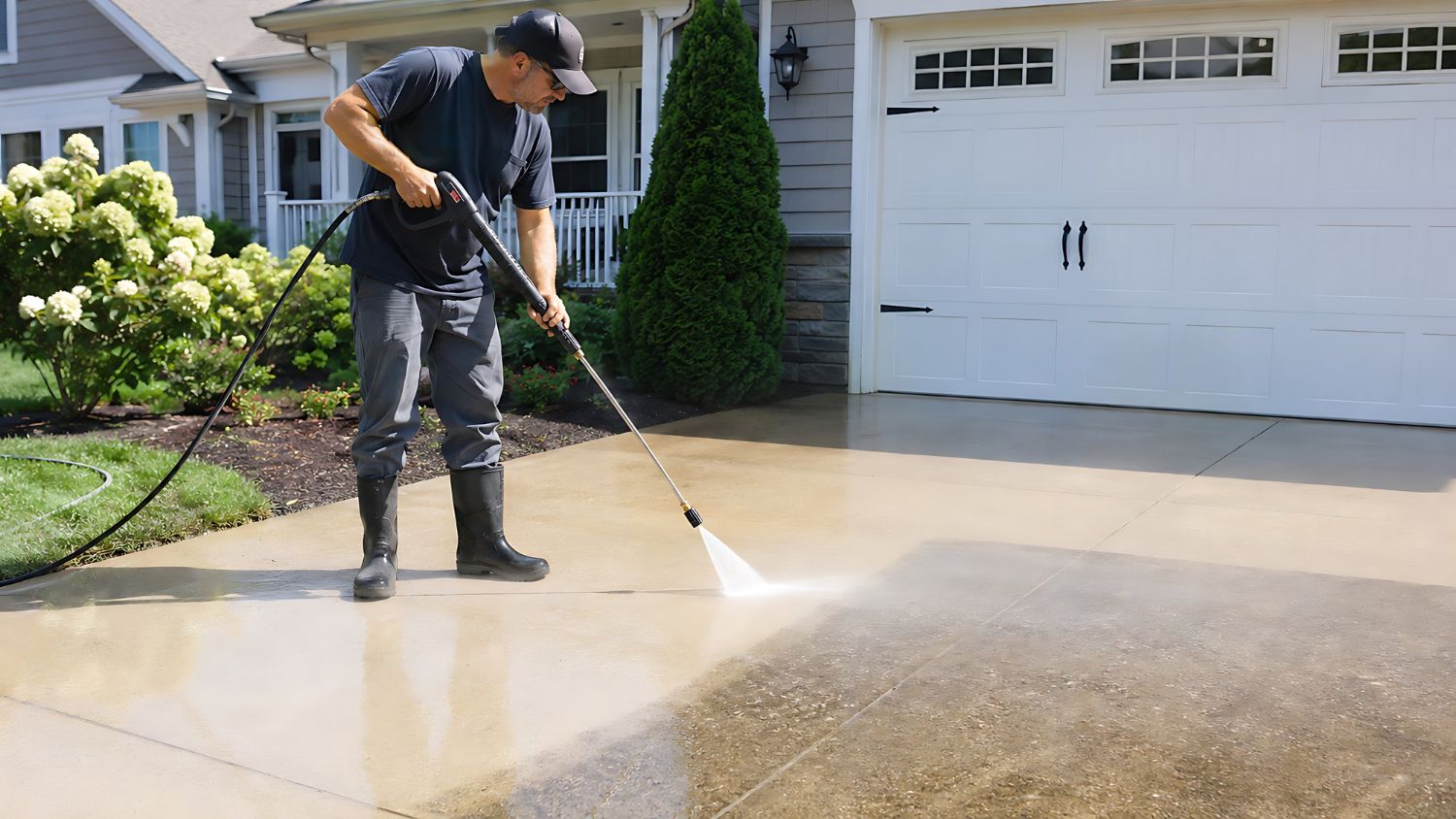
At Regional Mold, we also work with related issues, like water damage from winter leaks, cleaning after moisture problems, and power washing where outdoor growth is part of the problem. Our goal is to help Poughkeepsie-area homeowners stop winter moisture from turning into long-term damage and keep homes healthier year-round.
Protect Your Home With Expert Mold Solutions Today
If you are seeing signs of moisture or mold, now is the right time to act before the damage spreads. At Regional Mold, we provide thorough
mold remediation that targets the source of the problem and helps keep your home healthier. Our team will inspect, contain, and treat affected areas so you can feel confident in your indoor air quality again. To schedule an inspection or ask questions, simply
contact us.