Dehumidify a Poughkeepsie Basement in Summer: Humidity, Sizing, Tips
Basement humidity in summer is more than just a comfort issue. In the Hudson Valley, a damp basement can quickly lead to a need for basement mold removal, damaged belongings, and create a home that never quite smells fresh. Controlling moisture early keeps your space cleaner, drier, and safer for your family.
We will walk through what humidity level you should aim for, how to size and set up a dehumidifier that makes sense for a Poughkeepsie basement, and the basic maintenance that keeps it working. With a few smart habits, you can stay ahead of summer humidity before it turns into a bigger problem.
Protect Your Poughkeepsie Basement Before Summer Humidity Hits
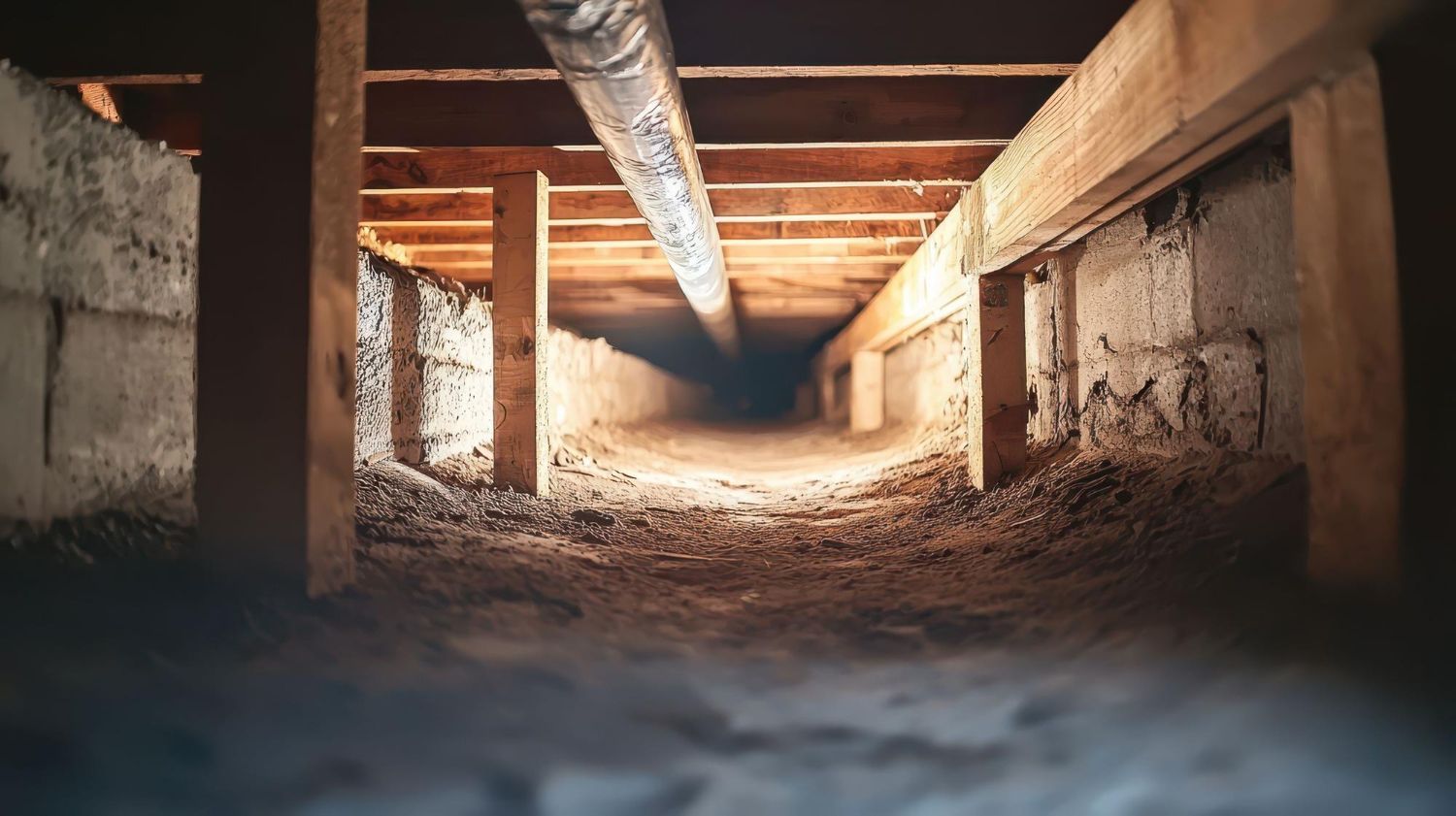
Hudson Valley summers are tough on basements. Humid air, frequent rain, and ups and downs in temperature create the perfect conditions for that damp, musty smell. Once moisture builds up, it tends to linger in below-grade spaces.
Ignoring that humidity can lead to:
- Basement mold removal that takes time and disrupts daily life
- Damage to cardboard boxes, furniture, photos, and other stored items
- Soft spots in wood, peeling paint, and staining on walls or floors
- Possible breathing issues for sensitive family members
The good news is, you do not have to wait for mold to show up on walls or joists. By understanding ideal humidity levels, choosing the right size dehumidifier, and staying on top of a simple care routine, you can protect your basement before summer humidity hits its peak.
Why Summer Humidity Is Worse in Poughkeepsie Basements
Our area sees warm, sticky summer days and frequent thunderstorms. All that outdoor moisture looks for a way into your home. Basements are the easiest target because they sit against moist soil and have lots of surfaces that stay cool.
Here is what often happens: warm, humid air, slips into your basement through:
- Tiny cracks in foundation walls and floors
- Gaps around windows and doors
- Open basement windows on “nice” days
When that warm, wet air hits cooler concrete, pipes, or floor joists, it can leave beads of water. That is condensation, and it can make everything feel damp and clammy. Over time, that extra moisture soaks into wood, drywall, and stored items.
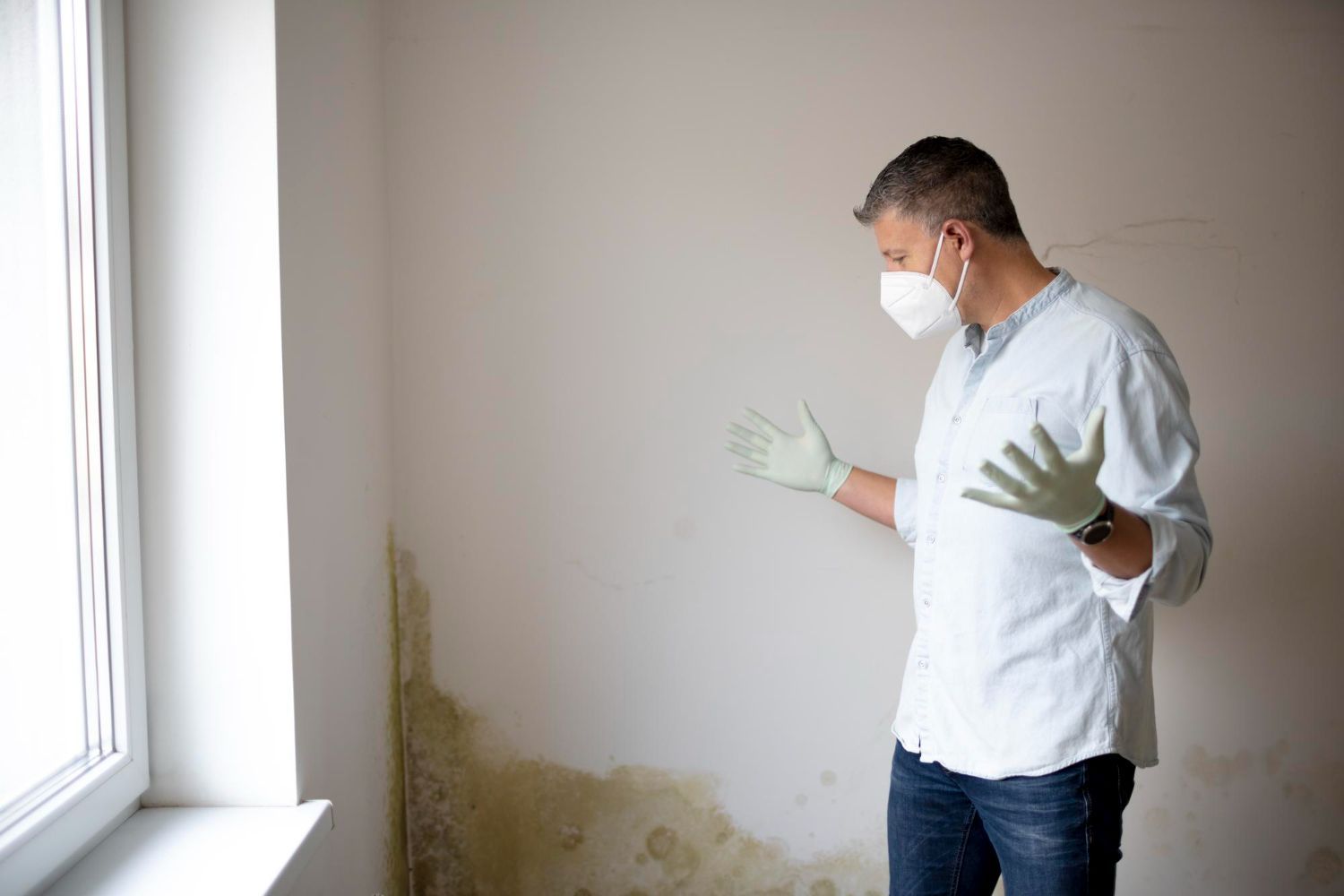
If the air in your basement stays above about 60 percent relative humidity for long periods, mold has what it needs to grow. Once mold gets established, you may notice:
- Dark or fuzzy spots on walls, joists, or stored items
- A strong, musty odor that does not go away
- Recurring growth even after surface cleaning
At that point, simple drying is usually not enough, and professional basement mold removal is often the safest way to get things back under control.
Ideal Basement Humidity Levels and How to Measure Them
For most Poughkeepsie basements in summer, a good target is roughly 40 to 50 percent relative humidity. This range is dry enough to slow mold, dust mites, and wood rot, but not so dry that it causes cracks or discomfort.
You cannot manage what you do not measure, so a small digital hygrometer is your best friend. Many homeowners keep more than one, placing them:
- In damp corners or near exterior walls
- By a sump pump or floor drain
- Near laundry areas or utility sinks
- Around storage shelves or closets
Warning signs that humidity is too high include:
- Condensation on windows, pipes, or cold metal surfaces
- Dark spots or discoloration on walls, baseboards, or ceiling tiles
- A basement that smells musty, even after airing it out
- Mold growing back after being wiped or cleaned
If your hygrometer shows levels creeping above 50 to 55 percent, especially for long stretches, it is time to bring in a dehumidifier and take a closer look at moisture sources.
Choosing the Right Dehumidifier Size for Your Basement
Picking the right dehumidifier is not just about the brand on the box. You want a unit that can actually handle the amount of moisture entering your space. Think about:
- Basement size: length, width, and ceiling height
- How damp it feels now: slightly musty or outright wet
- Any history of leaks, seepage, or past basement mold removal
- Whether the space is finished, partially finished, or bare concrete
Home units are often rated by how many pints of water they can remove from the air in a day, under standard conditions. In many Poughkeepsie homes, a slightly larger unit works better, especially if:
- The basement is unfinished with lots of exposed concrete
- There is limited airflow and a lot of dividing walls
- You have active moisture sources like laundry or a sump pit
Useful features to look for include:
- Built-in pump or a gravity drain hookup so you are not emptying buckets
- Continuous run or auto mode to maintain steady humidity
- Low-temperature operation for cooler basements
- A simple control panel that is easy to read and adjust
Older Hudson Valley homes often have quirky layouts. In those cases, an oversized unit with flexible drainage can be more forgiving and can help keep humidity stable even when conditions change.
Smart Setup and Maintenance for Trouble-Free Dehumidifying
Where and how you set up your dehumidifier matters almost as much as the model you choose. For best results, place it:
- In a central, open area, not tucked into a tight corner
- Away from walls and large furniture so air can flow freely
- On a level surface, with clearance around the intake and exhaust
You will also want a simple plan for getting rid of the water. Common drainage options include:
- Running a hose to a floor drain
- Draining into a sump pump basin
- Using a small condensate pump to move water up into a sink
Check hoses and connections regularly so you do not end up with surprise puddles.
To keep your dehumidifier working smoothly from early summer through the last sticky days, follow a basic maintenance checklist:
- Clean or replace the air filter as often as the manual suggests
- Wipe dust from the intake and exhaust grilles
- Inspect the power cord and outlet for any wear or heat
- Look over the coils for dirt or frost buildup
- Test the pump or drain line at the start of the humid season
Staying consistent with these small tasks helps your unit remove more moisture, run more efficiently, and last longer.
When DIY Isn’t Enough and It’s Time to Call Regional Mold
Sometimes, even a properly sized and well-maintained dehumidifier is not enough. You may need professional help if you notice:
- Standing water on the floor or repeated puddles after storms
- Water stains that keep spreading or getting darker
- Widespread discoloration on walls, beams, or floor joists
- Strong musty odors that linger even when humidity reads in the normal range
In those cases, there is likely a deeper issue, such as hidden leaks, seepage through the foundation, or long-term mold growth behind finishes. A local Poughkeepsie team like Regional Mold can perform a detailed inspection, map out moisture patterns, and provide basement mold removal when needed.
By pairing professional remediation and repair with proper dehumidification, you give your Hudson Valley home the best chance to stay dry, healthy, and comfortable through summer and beyond.
Protect Your Home And Family From Hidden Mold Damage
If you have noticed musty odors or damp walls in your basement, now is the time to act before the problem spreads. At Regional Mold, we use proven methods for thorough
basement mold removal so your home is safer and healthier. We will inspect your space, explain exactly what needs to be done, and handle the cleanup from start to finish. Ready to schedule an appointment or ask questions about your situation? Just
contact us and we will respond promptly.