Basement Mold Remediation for Finished Spaces in Poughkeepsie Homes
Finished basements should feel like an extra living room, not a damp storage area you avoid. When moisture creeps in, mold can spread fast, turning a cozy space into a musty, unhealthy part of the house. Basement mold removal is especially important in finished spaces, where mold can hide behind walls and under flooring for a long time before you notice it.
In the Hudson Valley, basements work hard. They hold family rooms, home offices, kids’ play spaces, and guest rooms. When that space starts to smell damp or feel humid, it affects your comfort, your indoor air, and the value of your home. We want to walk through how mold gets started, why finished basements are at higher risk, and how professional help can bring your space back to clean and dry.
Stop Basement Mold Before Summer Humidity Hits
After a wet spring and a few strong storms, many Poughkeepsie homeowners notice the same thing in June: the basement feels heavy and smells a little off. The carpet feels a bit cool and clammy. That nice finished space slowly turns into a room no one wants to use.
Early summer is a prime time for hidden mold growth in finished basements because:
- Outdoor humidity rises and seeps into cooler basement air
- Any leftover moisture from spring storms lingers in carpet and drywall
- Dehumidifiers and fans are often too small or not running long enough
Mold does not need standing water to grow. It just needs moisture, warmth, and time. Carpet backing, drywall paper, and wood trim are all easy food sources. Once mold takes hold, it can spread behind built-ins and inside wall cavities where you cannot see it.
Professional basement mold removal protects more than just finishes. It helps protect:
- Your investment in flooring, drywall, and built-ins
- Your indoor air quality on every level of the home
- Your family’s comfort and health
Our team at Regional Mold works in finished basements across Poughkeepsie, Westchester, and Orange County, and we see the same pattern every year: small early warning signs that turn into larger mold problems if they are ignored.
Hidden Risks of Mold in Finished Basements
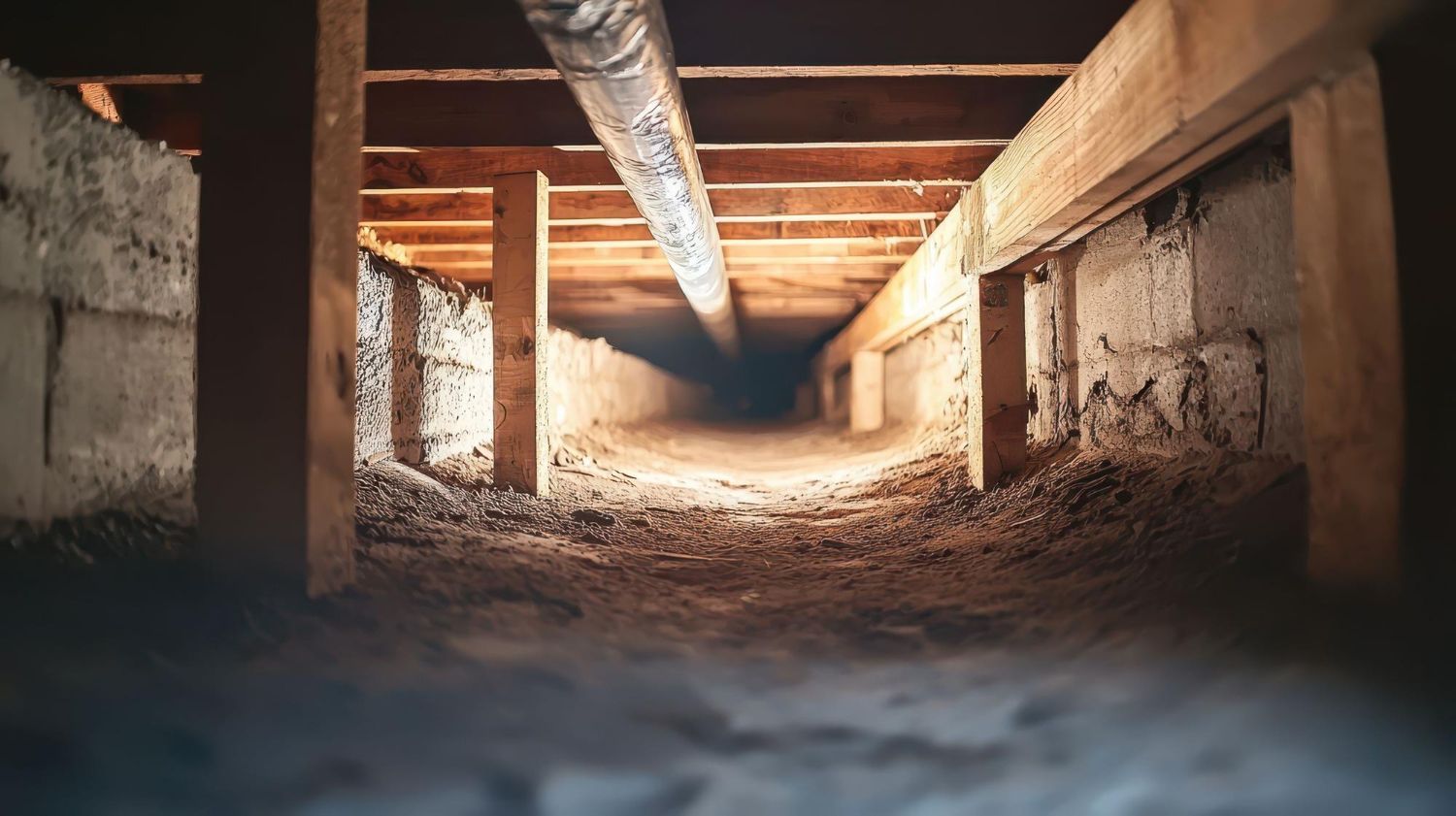
In a finished basement, you often see only the “skin” of the room. Mold loves the layers you do not see. Once moisture gets behind the finished surfaces, it can spread in places like:
- Behind drywall and paneling
- Under carpet and padding
- Inside insulation in exterior walls
- Around HVAC closets and behind dehumidifiers
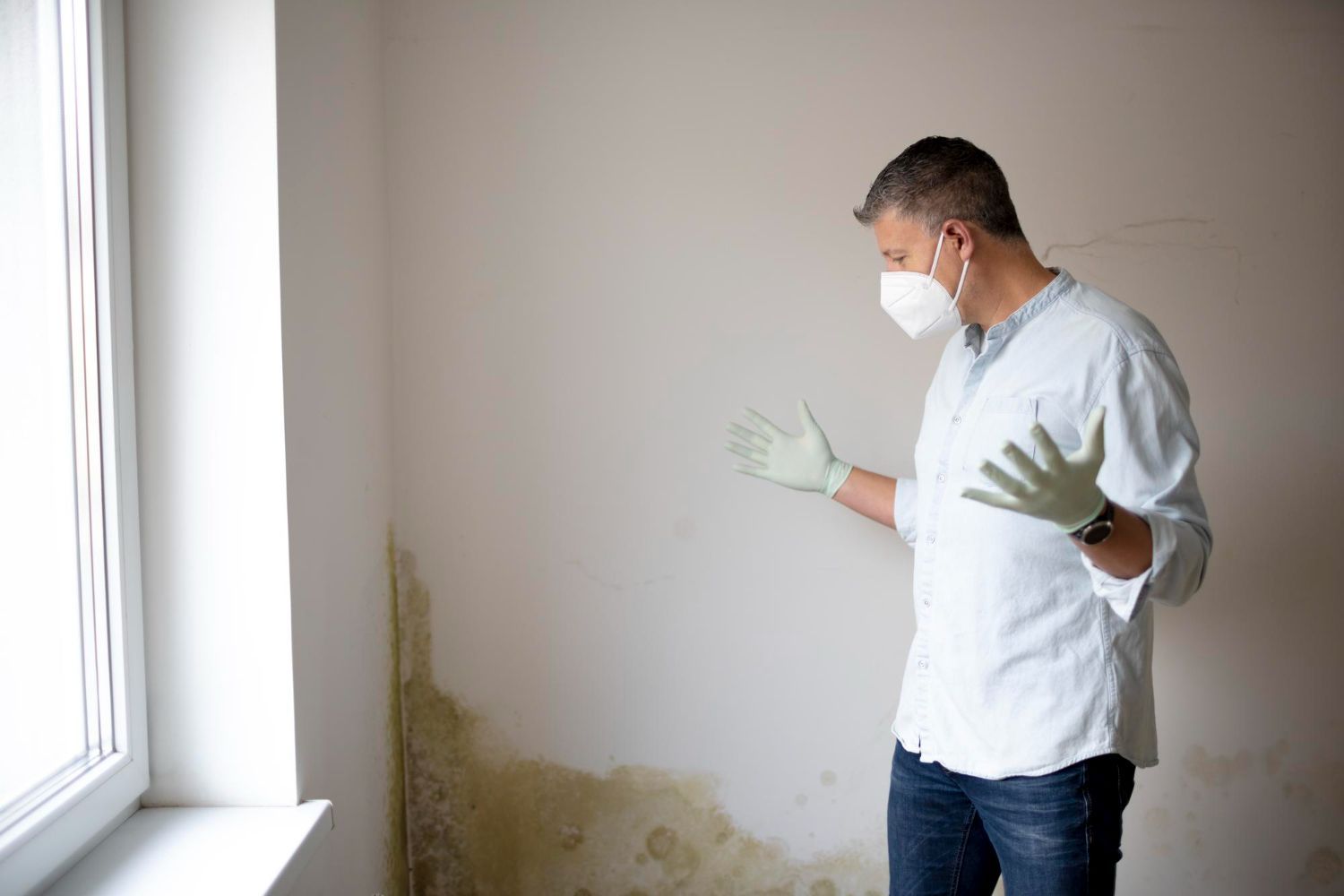
You may not see dark staining at first. Instead, you notice a stubborn musty smell, a tight feeling in your chest downstairs, or dust that seems harder to control. Mold and damp air can bother anyone with allergies or asthma and can be especially hard on children, older adults, and anyone spending long hours in a basement office or media room.
Left alone, mold does not just sit there. It can lead to:
- Soft, crumbling drywall
- Swollen trim, doors that stick, and wavy baseboards
- Ruined carpet padding and stained flooring
- Odors that linger even if you clean the surface
Finished basements have more materials that can hold moisture, and fewer exposed surfaces that let you see a problem early. That combination makes them more likely to hide mold problems until the damage is more serious.
Common Summer Moisture Triggers in Poughkeepsie Basements
Homes in the Hudson Valley deal with tricky weather. Heavy late-spring rains can soak the ground. Then quick temperature changes and humid summer air put a lot of stress on older basements and drainage systems.
Moisture can get into a finished basement from many sources:
- Small foundation cracks that let in seepage
- Clogged or broken gutters that dump water at the foundation
- Leaky window wells or below-grade windows
- Condensation on cold plumbing lines or HVAC ducts
- Past water events that were dried on the surface but not inside walls
Finished features can actually trap that moisture. Wall-to-wall carpet can stay damp at the padding even if the top feels dry. Laminate or engineered wood floors can swell or separate. Drop ceilings can hide small plumbing leaks until tiles stain or sag. Built-in shelving and storage units can block air flow and allow damp corners to stay wet for days.
If you notice:
- A musty or earthy smell that does not go away
- Recurring damp spots on walls or flooring
- Peeling paint or bubbling wall coverings
it is best to take those signs seriously. Waiting to see if it “dries out on its own” can give mold the time it needs to spread into hidden areas.
Professional Basement Mold Removal for Finished Spaces
Finished basement mold removal takes more than wiping a wall or setting out a fan. A professional approach is designed to find hidden growth, control the spread, and deal with the moisture that started it all.
A typical professional process includes:
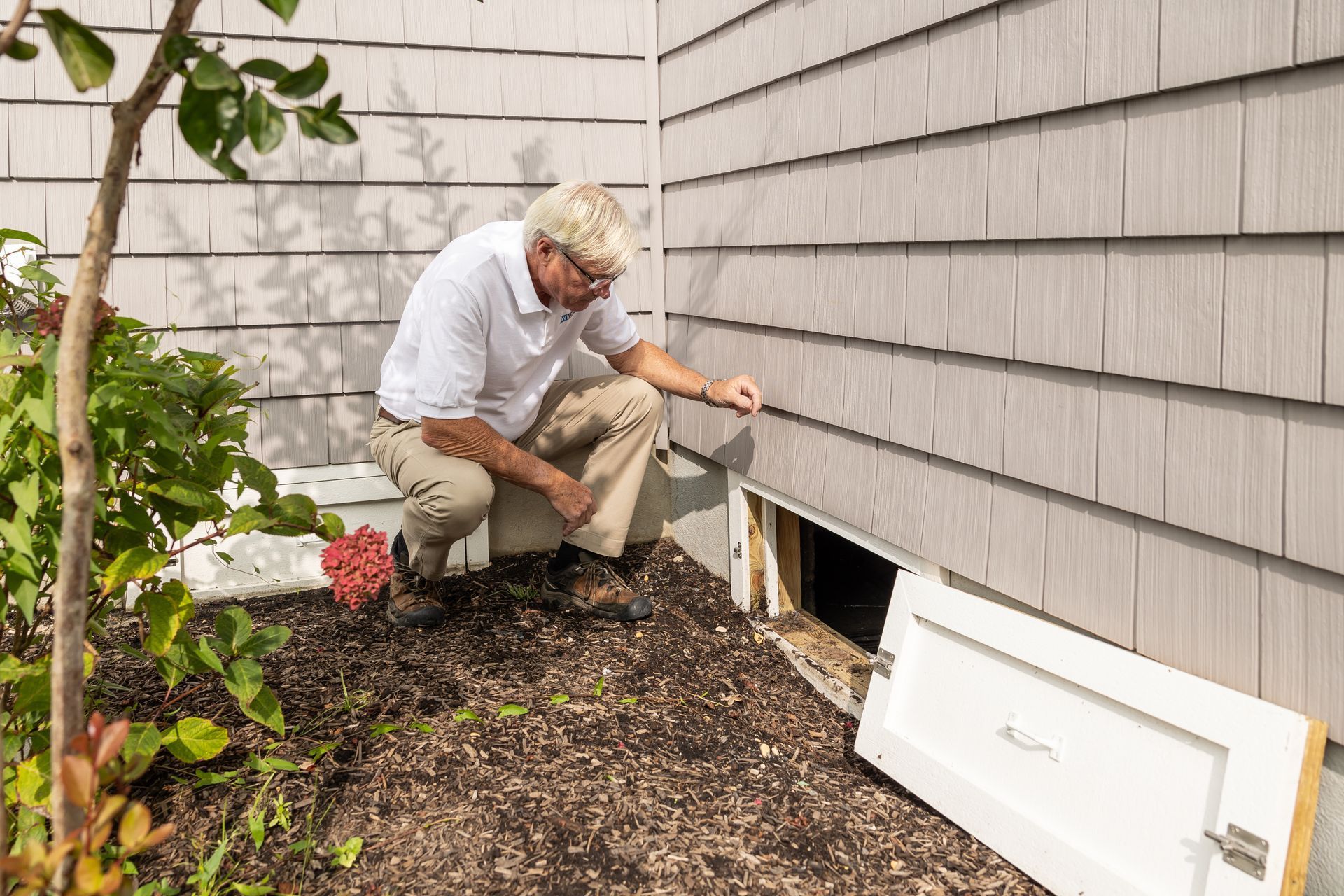
- Inspection and moisture mapping to find damp zones and likely mold pockets
- Checking behind baseboards, under flooring edges, and around mechanical closets
- Using tools to detect moisture inside walls and other hidden areas
Once problem areas are identified, we focus on safe containment. That often means:
- Sealing off the work zone from the rest of the home
- Using HEPA air filtration units to capture airborne spores
- Protecting HVAC systems so mold does not travel through ductwork
Then comes the careful removal and cleaning step. Depending on what is affected, this can include:
- Removing and disposing of contaminated drywall, carpet, or insulation
- Cleaning and treating framing, subfloors, and other structural materials
- HEPA vacuuming to capture fine dust and mold particles
Professional basement mold removal should always address the moisture source too. Without fixing leaks, drainage issues, or humidity problems, mold can simply return once the space is rebuilt.
Repairing and Improving Your Basement After Mold
Once mold is removed and the basement is dry, the next step is to restore the space so it is safe, comfortable, and more resistant to future problems. A restoration-focused approach does not stop at cleanup. It also covers repairs such as:
- Replacing damaged drywall and insulation
- Installing new carpet, vinyl, or other flooring
- Repainting with products designed for damp-prone areas
This is also a good time to think about smart upgrades that help keep moisture under control, like:
- Improved drainage at the exterior and along foundation walls
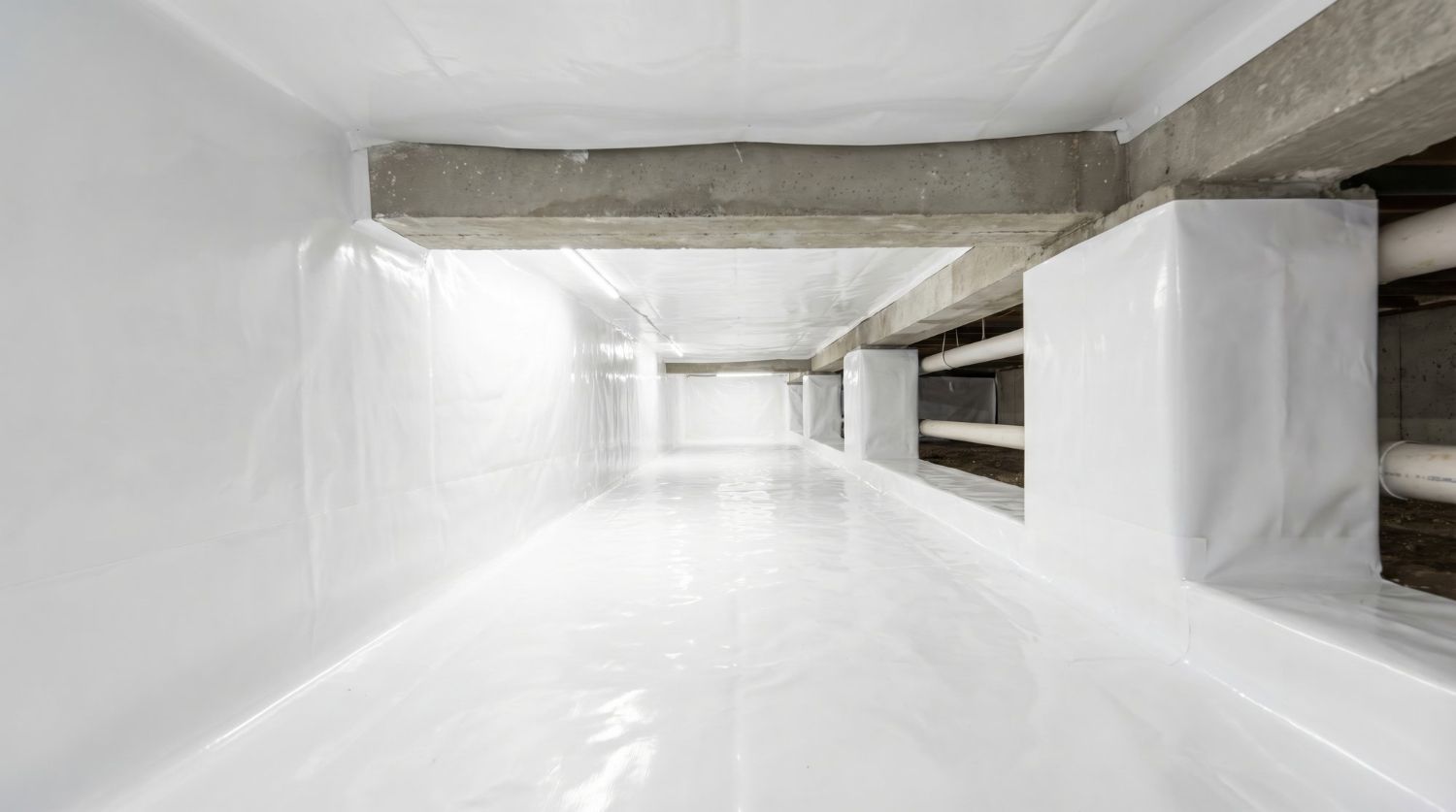
- Better vapor barriers under flooring and against concrete
- Raised subfloors that keep finished floors off cold concrete
- Mold-resistant drywall in high-risk areas
- Dehumidification planned for real Hudson Valley humidity levels
Working with a local team that understands common Poughkeepsie and Westchester basement layouts and building styles helps make sure repairs fit your home and follow local standards. When done correctly, a finished basement that had mold can be brought back as clean, bright, and often more resilient than it was before.
Take Back Your Basement Before the Next Storm
Musty smells, peeling paint, and “mystery” damp spots in a finished basement are early warnings that should not be ignored, especially as summer humidity builds. Early action keeps damage smaller, helps protect indoor air, and makes it easier to restore the space you worked hard to finish.
At Regional Mold, we focus on mold remediation, water damage repair, and related cleaning and improvement services for homes and businesses across Poughkeepsie, Westchester, and Orange County. A professional assessment can reveal moisture issues and hidden mold that are not obvious on the surface and can guide a clear plan to dry, clean, and rebuild your finished basement with confidence.
Protect Your Home With Professional Basement Mold Removal Today
If you are seeing signs of moisture, musty odors, or visible mold, Regional Mold is ready to help restore a healthier environment in your home. Our experienced team provides thorough
basement mold removal tailored to the specific conditions in your space. We respond quickly, explain every step, and focus on fixing the underlying issues so the mold does not return. To schedule an inspection or ask questions about your situation, please
contact us.