Prevent Basement Mold with Smarter Spring Cleaning Habits
Stop Mold Before It Starts This Spring
Basements around the Hudson Valley take a beating when seasons change. Snowmelt, heavy spring rain, and big temperature swings all push extra moisture toward your foundation. That moisture often ends up in the lowest level of your home, where it can quietly sit and feed mold.
If small damp spots are ignored now, they can grow into serious basement mold removal and structural problems by summer. Mold does not need standing water; it just needs a little moisture, the right temperature, and time. Spring is the perfect moment to break that cycle.
Smarter spring cleaning habits help you do that. You do not need to spend every weekend scrubbing. With a few focused checks and simple cleaning steps, you can cut your mold risk and keep your basement cleaner, healthier, and easier to maintain.
Find Hidden Moisture Traps in Your Basement
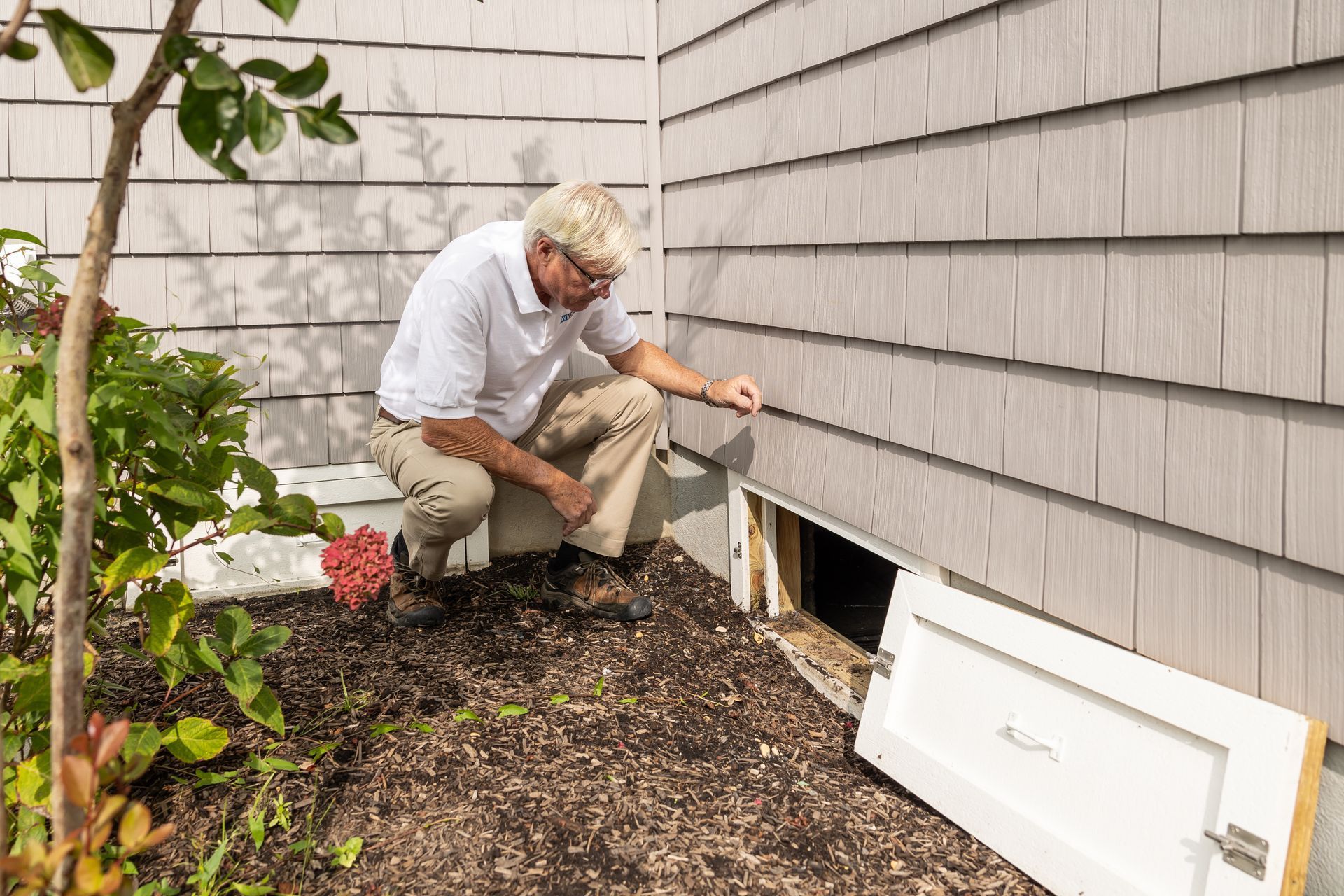
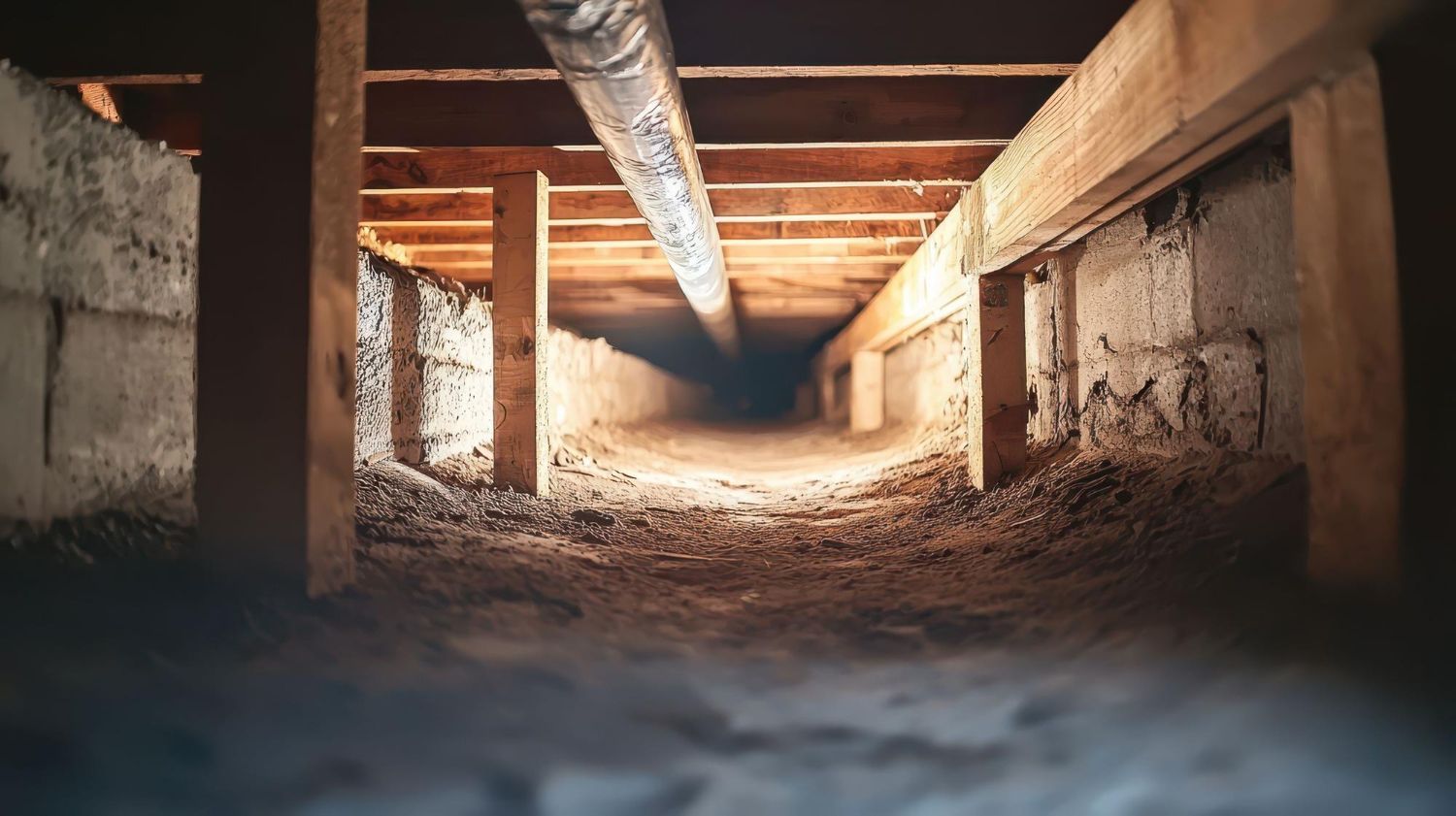
Mold often starts where we are not looking. In the Hudson Valley, basements are often below grade and surrounded by damp soil, so trouble spots can build up quietly behind stored items and along exterior walls.
Pay extra attention around:
- Foundation walls, especially where there are old leaks or cracks
- Sump pumps and floor drains
- Water heaters and plumbing lines
- Laundry machines and utility sinks
- Below-grade windows and window wells
As you walk your basement, use all your senses. Early warning signs of moisture include:
- A musty or earthy odor, even if surfaces look clean
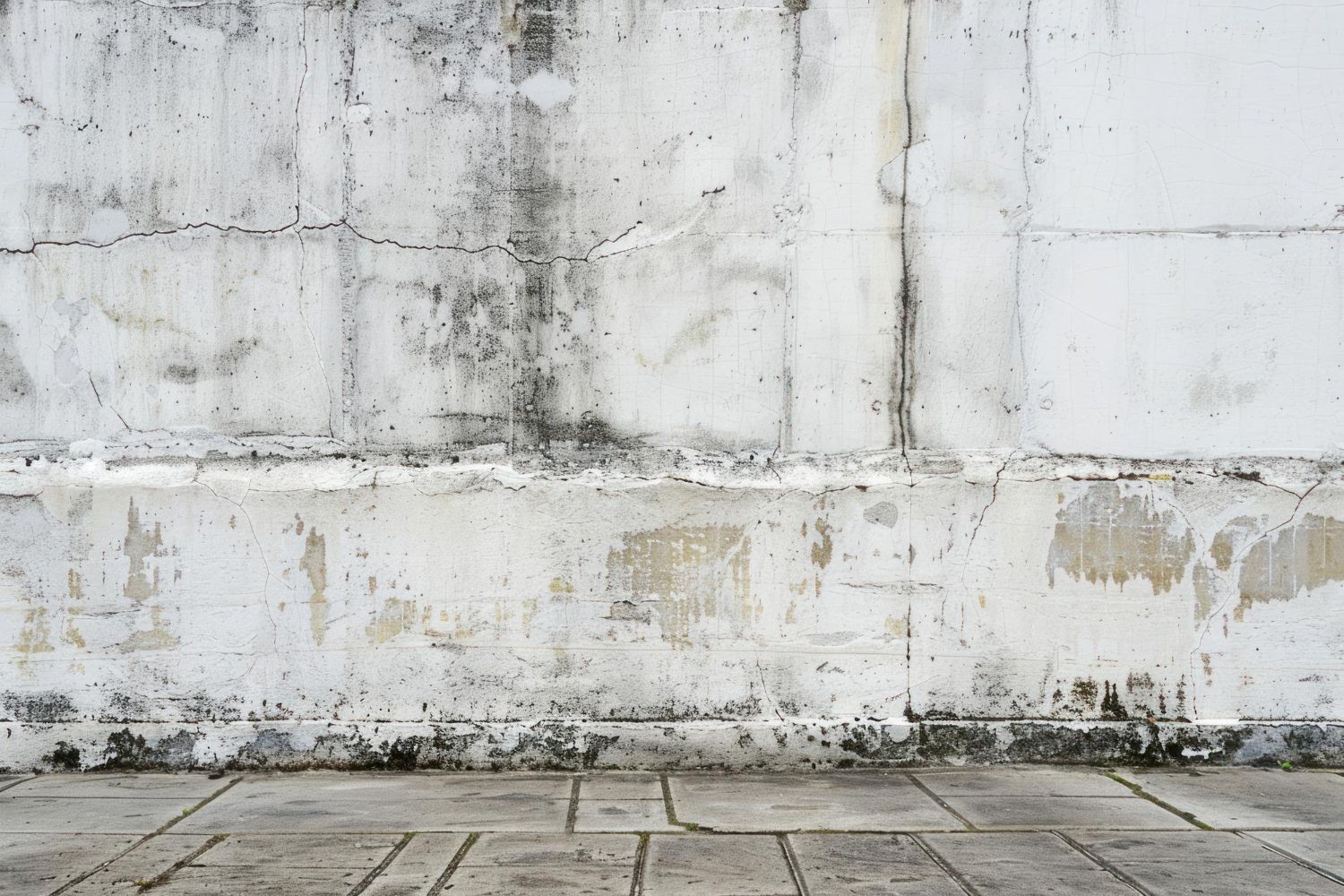
- Peeling or bubbling paint on walls
- Efflorescence, a white, chalky powder on concrete or block
- Rust on metal shelves, tools, or appliances
- Cardboard boxes or wood that feel slightly damp or wavy
A simple spring checklist can help keep you on track:
- After a steady rain, inspect foundation walls and corners for damp spots
- Check that floor drains are open and not blocked by dust or clutter
- Pour water into the sump pump pit to confirm the pump turns on and discharges properly
- Look behind stored boxes and furniture, especially along exterior walls
Catching these small issues early can prevent them from turning into larger mold problems that need professional attention.
Clean and Declutter to Starve Mold of Fuel
Once moisture is under control, the next step is to remove what mold likes to eat. Mold feeds on organic material. In basements, that often means cardboard, paper, wood, dust, and fabric. When those items sit in damp corners, they trap humidity and become perfect mold food.
Many basements collect:
- Cardboard boxes full of seasonal items
- Old couches, chairs, and mattresses
- Rugs, curtains, and extra bedding
- Piles of paper, books, or old clothes
Smarter storage can make a big difference. During spring cleaning, try to:
- Swap cardboard boxes for plastic bins with tight lids
- Use metal or plastic shelving instead of wood, and keep shelves off the floor
- Leave a few inches of space between items and the walls for better airflow
- Store rarely used fabrics in sealed containers, not open piles
A simple cleaning routine helps too. Focus on dust and surface dirt, since dust holds moisture and mold spores.
A basic spring cleaning plan might include:
- HEPA vacuuming floors, baseboards, and windowsills to pick up fine dust
- Wiping shelves, appliances, and exposed framing with mild detergent and water
- Paying extra attention to areas near exterior walls and around laundry or water heaters
- Tossing heavily water-stained cardboard, rugs, or fabric rather than trying to save them
These steps do not replace professional mold remediation when there is a serious problem, but they can slow or stop new mold growth from starting.
Control Moisture and Humidity Like a Pro
Humidity is the hidden driver behind many basement mold problems. As outside temperatures rise in late spring, warm air meets cool basement surfaces. That can create condensation and damp spots, even if you never see a leak.
Aim to keep basement humidity around 30 to 50 percent. In that range, mold has a harder time getting established. Higher levels, especially for long periods, make mold growth more likely.
Some simple tools and habits can help:
- Use a small hygrometer so you can see humidity levels at a glance
- Run a properly sized dehumidifier in damp or unfinished areas
- Make sure downspouts move water well away from the foundation
- Check for obvious cracks or gaps where water can enter and seal what you can safely reach
There are times when these steps are not enough. If you see ongoing dampness on walls or floors, or your dehumidifier runs nonstop and humidity still stays high, there may be deeper moisture issues in the structure or drainage system. In those cases, professional help is often the safest way to avoid larger basement mold removal projects down the line.
When Spring Cleaning Is Not Enough for Mold
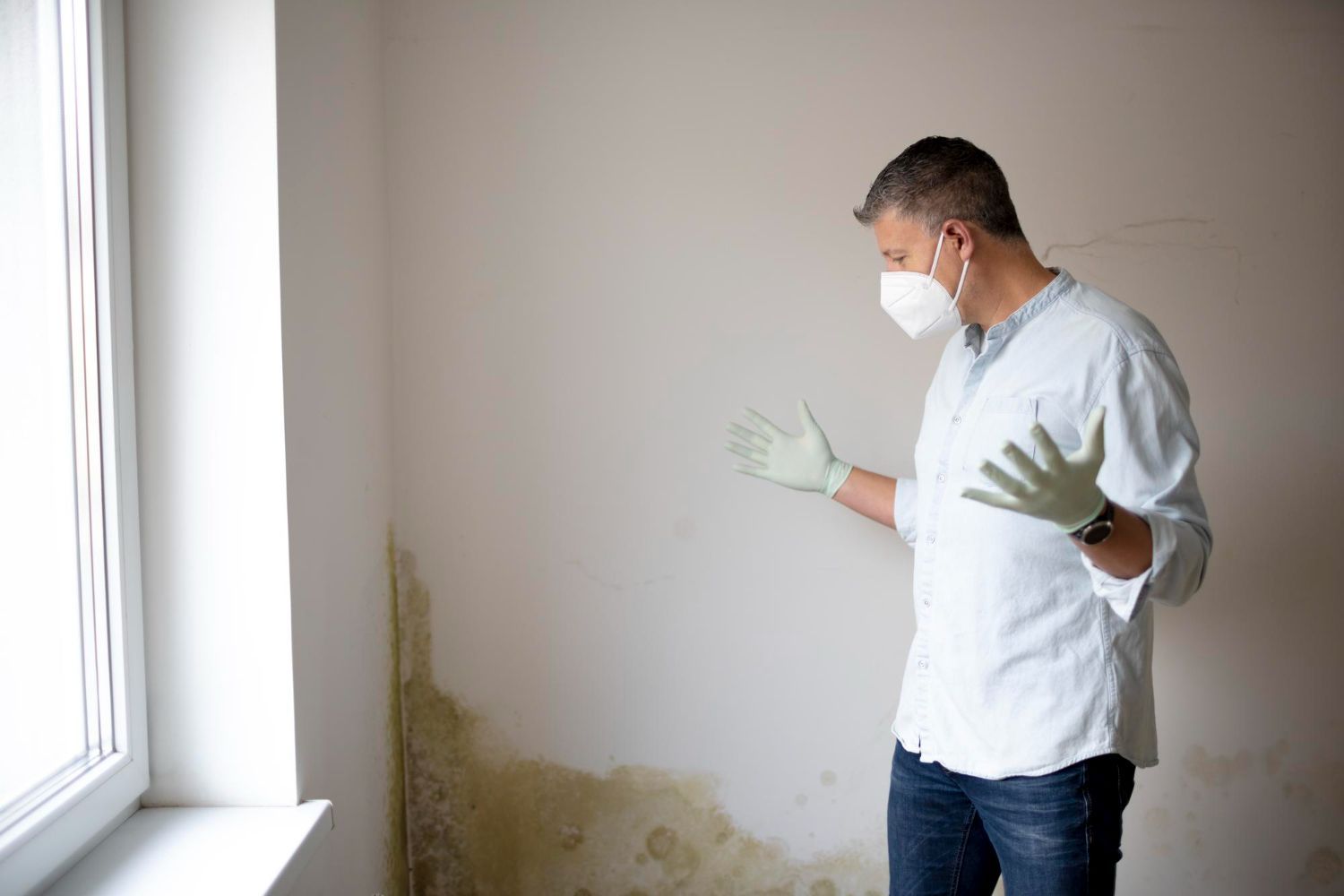
Not all mold situations are the same. Light surface mildew around a shower or on a small patch of painted wall can sometimes be wiped away during routine cleaning. More serious mold, especially in basements, can be hidden inside walls or along structural framing.
Red flags that point to a bigger problem include:
- Widespread dark or discolored staining on walls, joists, or subfloor
- Mold that keeps returning to the same spot after cleaning
- A strong, constant musty odor you cannot trace to one item
- Visible mold on insulation or behind paneling
- Family members with allergy or breathing symptoms that feel worse at home, especially near the basement
When these signs appear, it is usually time to stop scrubbing and get a professional assessment. Proper containment, air filtration, and removal methods are needed to handle mold safely and help protect both your home and your health. As a local property damage restoration company in Poughkeepsie, we work with Hudson Valley homeowners to identify the source of moisture, remove mold growth, and create a plan to reduce the chance of it coming back.
Lock in a Mold-Free Basement Before Summer
A healthy basement is not about one huge cleaning day; it is about a few smart habits you repeat each spring. The most helpful ones are simple:
- Regular moisture inspections after rain
- Decluttering and better storage, especially swapping cardboard for plastic
- Targeted cleaning that removes dust and surface grime
- Consistent humidity control with a hygrometer and dehumidifier
Choose a specific spring weekend for a quick “basement health check.” Add a reminder before heavy rain seasons so you remember to test the sump pump, walk the walls, and clear out items that do not belong there anymore. Small steps now can help you avoid bigger basement mold removal projects later and keep your home cleaner, drier, and more comfortable as the weather warms.
Protect Your Home And Family From Hidden Mold Damage
If you suspect moisture or mold in your basement, Regional Mold is ready to inspect, contain, and safely remove the problem before it spreads. Our licensed team provides thorough
basement mold removal that targets both visible growth and hidden sources. Reach out today so we can assess your situation, explain your options, and schedule service that fits your timeline. If you prefer to speak with someone first, you can
contact us to get answers to your questions.